
If your daily beauty routine feels too heavy, you're not alone. Many makeup lovers are simplifying their routines by choosing products that combine skincare and makeup in one step. One category leading this trend is tinted sunscreen. These multitasking products provide broad-spectrum sun protection while offering light coverage that helps even out the complexion.
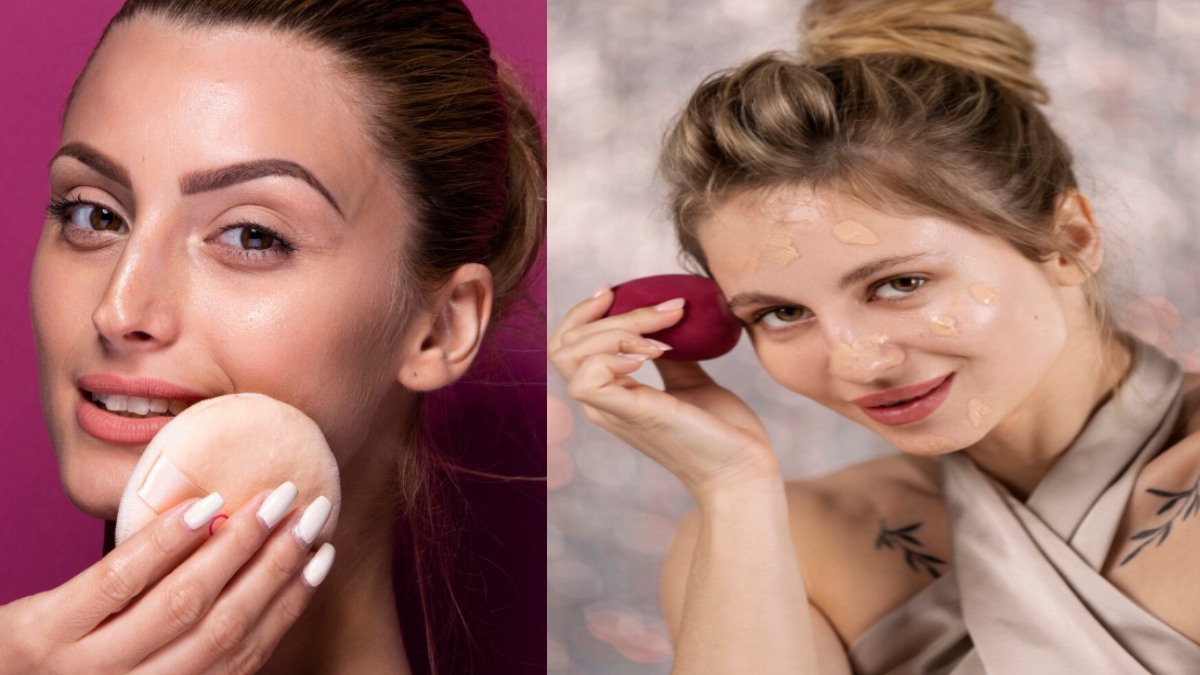
It's important to note that tinted sunscreen is not a replacement for proper sunscreen it is sunscreen, provided you apply enough of it to achieve the labeled SPF. Many people, however, don't use enough tinted sunscreen to reach full sun protection, so the amount applied matters.
Whether you're heading to work, running errands, or meeting friends for brunch, tinted sunscreens can help you achieve a fresh, natural-looking finish without the weight of a full-coverage foundation.
Related Articles


Why Tinted Sunscreens Are So Popular
Tinted sunscreens combine two essential steps in one product: sun protection and light complexion coverage. This makes them especially appealing for those who prefer a "no-makeup" makeup look.
Some benefits include:
- Broad-spectrum UV protection
- Lightweight, breathable texture
- Natural-looking skin finish
- Light coverage for minor redness and uneven tone
- Reduced number of products in your routine
Many formulas also include skincare ingredients such as antioxidants, niacinamide, hyaluronic acid, or ceramides.
Related Articles


What Makes a Good Tinted Sunscreen
When choosing a tinted sunscreen, look for:
- Broad-spectrum SPF 30 or higher
- A tint that suits your skin tone
- Non-comedogenic formulas if you have acne-prone skin
- Fragrance-free options if you have sensitive skin
- Hydrating ingredients for dry skin
- Oil-controlling formulas for oily skin
Some tinted sunscreens also use iron oxides, which may provide additional protection against visible light that can contribute to pigmentation concerns such as melasma.
Five Tinted Sunscreen Styles Worth Trying
Rather than recommending specific brands which vary by country and availability here are five types of tinted sunscreens to consider based on your skin's needs.
1. Lightweight Daily Tinted Sunscreen
Perfect for everyday wear, these formulas offer sheer coverage that blends easily into the skin.
Best for:
- Office wear
- Students
- Everyday errands
- Minimal makeup lovers
2. Hydrating Tinted Sunscreen
If your skin feels dry or tight, choose a moisturizing formula containing ingredients like hyaluronic acid, glycerin, or ceramides.
Benefits:
- Comfortable all-day wear
- Dewy finish
- Helps reduce the appearance of dry patches
3. Matte Finish Tinted Sunscreen
Those with oily or combination skin often prefer matte formulas that help reduce shine throughout the day.
Look for products labeled:
- Oil-free
- Non-comedogenic
- Matte finish
4. Mineral Tinted Sunscreen
Mineral sunscreens use active ingredients such as zinc oxide and/or titanium dioxide to protect the skin from UV rays. Many are suitable for sensitive skin.
Advantages include:
- Gentle on sensitive skin
- Less likely to sting around the eyes
- Often recommended after certain dermatological procedures (follow your dermatologist's advice)
5. Buildable Coverage Tinted Sunscreen
Some tinted sunscreens provide slightly more coverage while still feeling lighter than traditional foundation.
These formulas are ideal when you want:
- A polished everyday look
- Light-to-medium coverage
- Minimal additional makeup
How to Apply Tinted Sunscreen Correctly
Proper application is essential to achieve the advertised SPF protection.
Follow these steps:
- Cleanse and moisturize if needed
- Apply a generous amount of tinted sunscreen evenly to the face, ears, and neck
- Allow it to set before applying additional makeup
- Reapply every two hours when outdoors, or after swimming or heavy sweating
Remember that using only a thin layer may not provide the full SPF listed on the product label.
Can Tinted Sunscreen Replace Foundation
For many people, yes especially if they prefer light coverage. Tinted sunscreens can blur minor imperfections and even out the complexion while allowing natural skin texture to show through.
However, those seeking full coverage for events or photography may still prefer foundation or concealer over their sunscreen.
Choosing the Right Shade
Selecting the correct tint helps achieve a seamless finish.
When testing shades:
- Match along the jawline rather than the hand
- Check the color in natural daylight
- Consider your skin's undertone (warm, cool, or neutral)
Some brands now offer a wider range of shades to suit diverse skin tones.
Tips for Long-Lasting Wear
To keep your tinted sunscreen looking fresh:
- Start with clean, moisturized skin
- Use a setting powder if you have oily skin
- Apply concealer only where extra coverage is needed
- Carry sunscreen for reapplication during prolonged sun exposure
Remove sunscreen thoroughly at the end of the day using a gentle cleanser
Tinted sunscreens have become a favorite among beauty enthusiasts because they simplify daily routines without compromising on sun protection. By combining SPF with lightweight coverage, they offer an easy way to achieve a healthy, natural-looking complexion while helping protect the skin from harmful UV rays.




Comments 0