
The situation has been made worse since a suspected pneumonic plague case in Russia was reported as the United States issued a fresh health alert on reports from the Irkutsk region of Siberia.
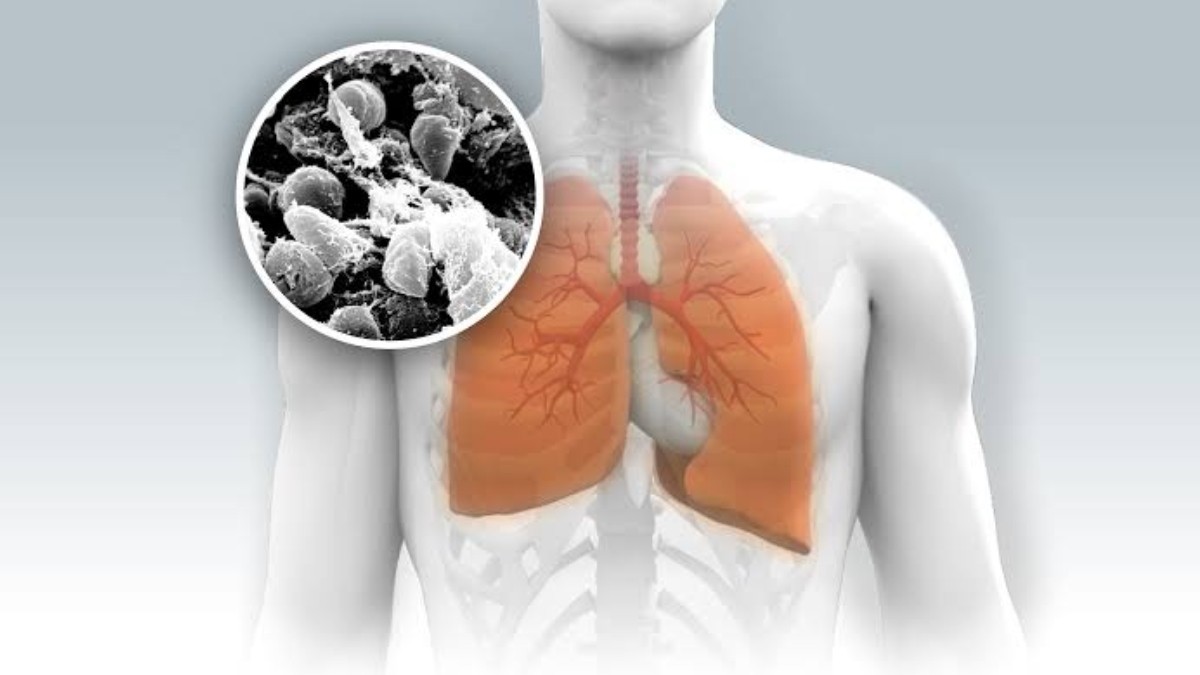
The development has attracted international attention because after the death of a laboratory worker in a laboratory was reported it was confirmed that the death was due to plague and international health agencies did not find any evidence of sustained human-to-human contact.
The US Embassy in Moscow said it was aware of press accounts about a possible pneumonic plague case in Irkutsk and associated quarantine measures. The embassy’s warning comes on top of an existing Level 4: Do Not Travel advisory for Russia by the U.S. State Department. The advisory does not only relate to the suspected plague situation, but also to broader security issues and the risk of wrong arrest, and the U.S. government has little ability to help people in Russia outside of Moscow.
Related Articles


The health problems came about after a laboratory worker at Irkutsk Anti-Plague Research Institute suddenly became ill and later died. The media has speculated she may have been exposed to plague bacteria while in a lab, and they even reported a broken test tube. But those details are not yet known. Russian authorities say the death was pneumonia of unknown aetiology and tests did not indicate microorganisms linked to her professional activities.
Despite the uncertainty about the diagnosis, there have been some precautionary measures taken. People who had contact with the deceased laboratory worker were under observation and restrictions at some healthcare facilities. Russian officials have said contacts were being monitored and that those under observation had not shown signs of illness.
That said, there has been a great deal of public concern because pneumonic plague is one of the most serious forms of the disease. Pneumonic plague is different from bubonic plague, which is usually associated with swollen lymph nodes after flea or animal exposure. Pneumonic plague is transmitted through respiratory droplets and is transferred by close contact with an infected person. If not treated promptly it is a life-threatening disease but it can be treated with antibiotics quickly.
Related Articles


The possibility of an outbreak has also attracted international health authorities’ attention. The European Centre for Disease Prevention and Control said it was monitoring the situation but said based on the data available, there were no reports of secondary cases or evidence of sustained human-to-human transmission.
The World Health Organization has also evaluated the risk as low, a distinction of a serious suspected case and evidence of a large-scale outbreak as it is needed and especially relevant given the public's increased sensitivity to infectious diseases following the COVID-19 pandemic. For now, we do not see the situation in Irkutsk as comparable to the global spread of COVID-19.
But the US travel warning should not be interpreted as a sign that Russia is experiencing a nationwide pneumonic plague outbreak. The Level 4 advisory was already in place because of more general security and detention risk; the new embassy alert cites reports of the suspected case and quarantine measures.
For those Americans who are already in Russia, they are told to leave immediately. Travelers are warned strongly against visiting the country. The new health alert is a further concern for travelers following Irkutsk’s recent death, even as authorities continue to probe the circumstances of the laboratory worker's death.
The main problem is uncertainty. A suspected pneumonic plague case may justify such rapid containment measures because of the potential severity of the disease but the evidence is still lacking that a widespread plague outbreak is occurring in Russia. Health authorities are checking contacts, investigating the illness, and assessing the epidemiology.
The developments are just another example of how rapidly infectious diseases can attract international attention. Comparing the situation in Russia with COVID-19 is not new but experts and health agencies are now seeing the situation as a contained and closely monitored one and not another global pandemic in the making. The next couple of days will be the test case to see if new cases come about or if the precautions work and the threat is contained.


Comments 0