
Social media checking before bed may seem like a harmless way to unwind after a long day of work. But if you check social media before bed is such an easy thing to do and check it quickly, a quick check to get a quick feel on what seems like a mass of depressing headlines and scary videos and negative news, your mind is more restless than relaxed.
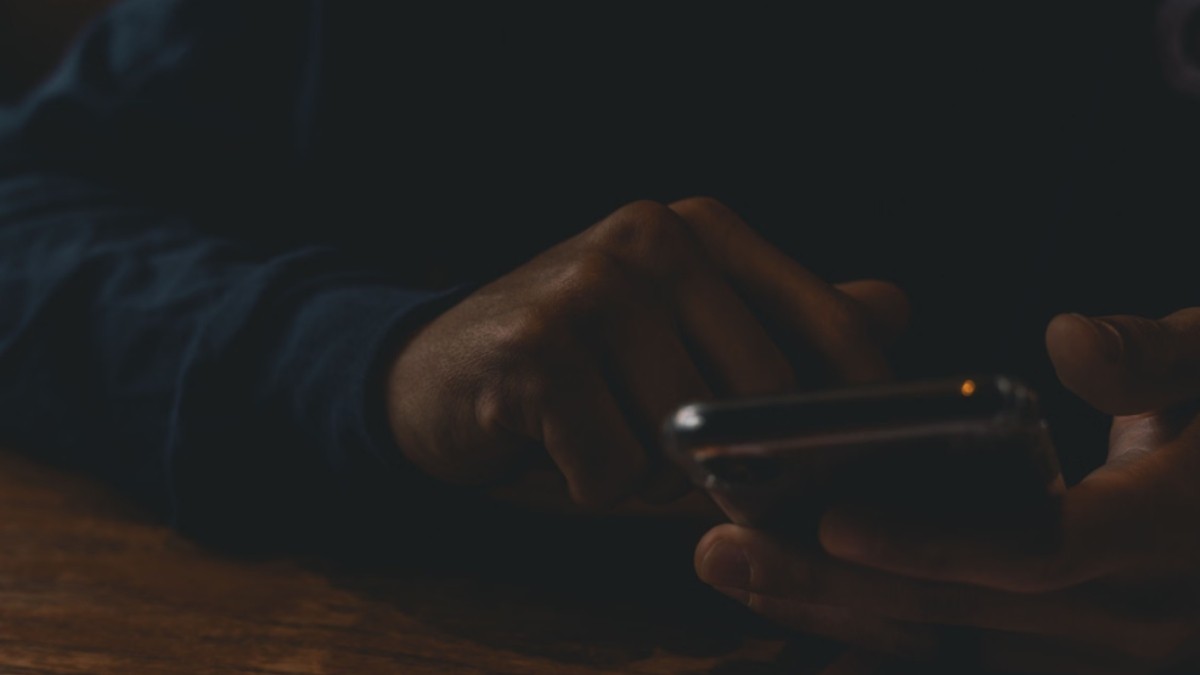
Doomscrolling is that habit of over-consuming negative or threatening online content, which is hard to stop. Mental health professionals say the habit may cause stress, anxiety, emotional fatigue and sleep problems, especially if it becomes a nightly habit.
The problem is not that every upsetting post damages the nervous system. The problem is that engaging with emotionally heavy content over and over again can keep the brain alert at the time where the body should be resting.
Related Articles


What is Doomscrolling and why Is It Difficult to Stop?
Doomscrolling usually starts simply with reasonable intentions: to keep updated on the most important events of the world, or to understand something worrying happening in the world.
But a news story can lead to another, and social media reactions, videos and more updates soon follow. Endless scrolling, recommendations and notifications from the news media are great for us to surf for a while longer than we want to.
The behavior might also be driven by uncertainty. People often follow up on those updates for reassurance, clarity or a sense of control because they hope the next post will provide reassurance, clarity or a sense of control.
Related Articles


Indeed, more information does not always bring relief. When the content is negative, scrolling can only reinforce worry rather than alleviate it.
How late-night Doomscrolling Can Affect Your Nervous System
The nervous system is responsible for management of the body’s response to stress, alertness and relaxation. If a person sees something threatening as well as emotionally disturbing, the body’s stress response systems may be activated.
And repeated exposure to distressing material can be associated with an alertness, especially when anxious or under stress.
1. It Can Keep the Brain Alert.
In stories of violence, disasters, conflict or personal threats even when an individual is physically safe, emotional reactions are likely to run wild.
The brain processes information about possible threats and distressing content may increase feelings of worry, tension or unease. When one alarming update follows another, it may become harder to mentally disengage.
But scrolling does not result in permanent damage to the nervous system. It means emotionally activating content is more difficult to settle down on the one hand, especially if one is consuming it continuously before bedtime.
2. It May prolong the Body’s Stress Response.
Stress can manifest in heart rate, muscle tension and release of hormones that are involved in how the body reacts to perceived threats.
If someone is getting upset by the same things, then stress might last longer than they would normally. Restlessness, tense jaw, tight shoulders and trouble relaxing after putting the phone away are things you might notice.
The effect varies from person to person. Doomscrolling research does not show that everyone is affected by an increase in stress hormones or that the habit leads to a specific nervous system disorder.
3. It Can Make falling asleep more difficult.
Sleep is to get from being active in the morning and awake to a calmer state in the evening. Reading bad news or watching emotionally charged videos before bed is something that may disrupt that transition.
And there is a practical issue as well that scrolling can delay bedtime. Someone who intends to browse 5 minutes at a time would now spend an hour online and less time in bed.
When sleep is not sufficient or disrupted, tiredness can make one irritable, unable to concentrate and unable to control emotions later on in the day. If this pattern is maintained stress and poor sleep may be reinforcing one another.
4. It Can Increase Anxiety and Emotional Exhaustion.
A systematic review and meta-analysis published in 2026 discussed research on doomscrolling and mental health. It reported links between doomscrolling and anxiety, depression, psychological distress and lower psychological well-being.
However, the researchers rated the certainty of the evidence as very low. The findings indicate a relationship, not proof that doomscrolling directly causes these conditions.
As a result, when you get depressed and ruminate for a long time you are likely to keep thinking about negative things.
And signs that your night-time Scrolling may be affecting you.
Doomscrolling becomes so automatic that people may not always see it. Some warning signs are worth watching:
- You spend so much time on your phone than you want.
- You feel more anxious, tense or upset after browsing.
- You find it difficult to stop checking for updates, even when nothing has changed.
- You stay up reading news and social media until it is late and then you can’t sleep.
- You keep thinking of disturbing stories when you put your phone away.
- You are tired, irritable or not focused the next day.
And the fact that one of these signs would be present occasionally does not necessarily mean a mental health problem. The question is whether the habit is affecting sleep, mood or daily functioning over time.
How do we break the late night Doomscrolling habit?
You don’t need to stop following the news. The goal is to stay informed without constant updates taking over your bedtime routine.
Set a Screen Cut-off Time
I have to find a time to stop checking news and social media before bed. If it is difficult and the longer break takes time to get out of the way, I would take 15 to 30 minutes.
Turn Off Unnecessary Notifications
Don’t get non-essential alerts from news apps and social networks at night, especially overnight. This cuts down on the temptation to open your phone every time you get notifications from the news apps/social networks and news sites.
Keep Your Phone Away from the Bed.
Charge your phone away from your pillow or use a separate alarm clock. Putting a little distance between yourself and the device can make automatic checking less convenient.
Replace Scrolling with a calmer activity.
Read a book, listen to quiet music, take a warm shower or do a few minutes of gentle breathing. These activities can help make the transition between screen time and sleep more clear.
Choose When to catch up on news.
Instead of checking updates constantly, set aside specific times during the day to read reliable news sources. If a story makes you anxious, consider whether more scrolling is providing useful information or simply repeating the same distressing material.
When should you seek help?
If anxiety, persistent sleep difficulties or emotional distress persist even after changes in your screen habits, talk to a qualified mental health professional or healthcare provider.
Professional support is particularly helpful when late-night scrolling may be difficult to control or it is interfering with work, relationships or daily life.
The bottom line is that doomscrolling is not a bad thing every time you look at your phone. But when you have to read such horrible stuff at bedtime it can make it harder to relax, protect sleep and manage stress even more.


Comments 0