
Diabetes is a chronic disease that is present in people at almost every age. Although diabetes is most commonly associated with adults, children, teenagers and young adults can develop diabetes too. When diabetes is diagnosed depends on the type of diabetes, family history, lifestyle, genetics and other health conditions.
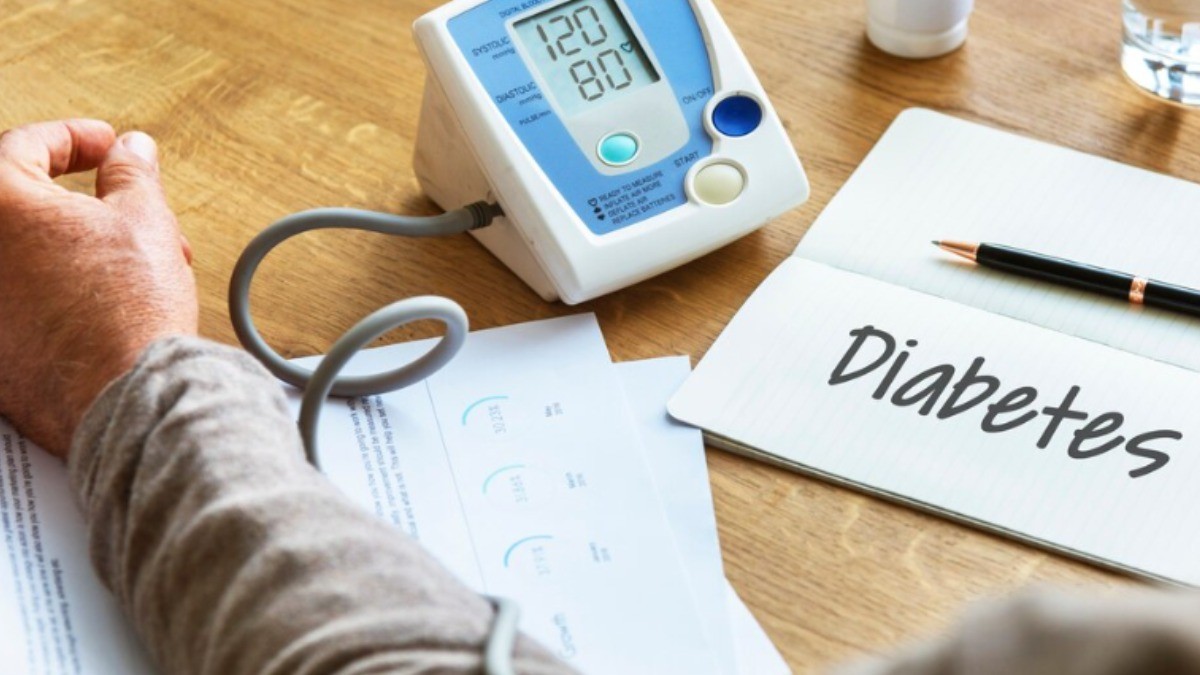
When diabetes can develop is so important as diagnosis and management of diabetes can be helpful for reducing complications and also for long-term health in a long term.
Can Diabetes affect people at any age?
Yes. Diabetes can develop in childhood, adolescence, adulthood or later life. There is no age at which everyone becomes vulnerable to the condition.
Related Articles


The two most common types are Type 1 diabetes and Type 2 diabetes. They are different in cause, risk and typical development of type.
Type 1 diabetes can occur at any age, but it is usually diagnosed in children and young adults. Type 2 diabetes is more common in adults, but diagnoses among children and teenagers have increased in many populations.
At what age does Type 1 Diabetes develop?
Type 1 diabetes is an autoimmune disease, in which the immune system attacks insulin-producing cells in the pancreas. As a result, the body produces little or no insulin.
Related Articles


It is commonly diagnosed in childhood or adolescence, especially in school-age children and teenagers. But adults can also develop Type 1 diabetes.
And this is not a disease of excessive sugar consumption or unhealthy lifestyle. People with Type 1 diabetes generally need insulin to control blood glucose levels.
Symptoms may develop in a relatively short time and include excessive thirst, frequent urination, unexplained weight loss, fatigue and increased hunger.
At what age does Type 2 Diabetes develop?
Type 2 diabetes is more prevalent in adults, especially as people get older. But it can develop in young adults, teenagers and children as well.
The risk can also be increased by an excess of body weight, physical inactivity, family history of diabetes and a history of gestational diabetes and metabolic complications. Age is one risk factor, but it does not determine whether you will get the disease.
In the past, Type 2 diabetes was associated with middle age and beyond. Today, healthcare practitioners are concerned about it happening in younger people, where obesity and sedentary behaviour are common.
Can teenagers and young adults get diabetes?
Yes. Teenagers and young adults can develop either Type 1 or Type 2 diabetes. Type 1 diabetes can happen suddenly and Type 2 diabetes can take place slowly and be unnoticed for some time.
The warning signs can be persistent thirst, frequent urination, unusual tiredness, blurred vision and unexplained weight loss. Type 2 diabetes could be poorly diagnosed and may not have any obvious symptoms.
All of the symptoms should be referred to a healthcare professional as they are not associated with stress, diet or a busy schedule and should be treated seriously.
How do I prevent Type 2 Diabetes?
While no one disease can be prevented, some habits can be applied to reduce the risk of Type 2 diabetes.
- Eat a balanced diet rich in vegetables, whole grains, legumes and other healthy food.
- Engage in regular physical activity suited to your age and health.
- Where appropriate, manage to be in a healthy weight.
- Get enough sleep and avoid smoking.
- Discuss blood glucose screening with a healthcare professional if you have risk factors or a family history of diabetes.
These measures give general health but do not cure all forms of diabetes, particularly Type 1 diabetes.
Conclusion:
Diabetes may affect people at any age, from early childhood to older adulthood. Type 1 diabetes is often diagnosed in children and young adults, while Type 2 diabetes is more common in adults but can also affect younger people.
Recognising symptoms, understanding personal risk factors and seeking timely medical advice are essential. If you are concerned about diabetes, a healthcare professional can recommend appropriate blood glucose tests and help you understand the results. Early diagnosis and management has a big impact on long-term health.


Comments 0