
Footwear is one of the most frequently used parts of people’s wardrobe. For commuting, work, shopping or casual outings, the right pair needs to be more than just a pretty and attractive one. Since everyday footwear can remain on your feet for several hours, comfort, fit and durability should be considered before appearance alone.
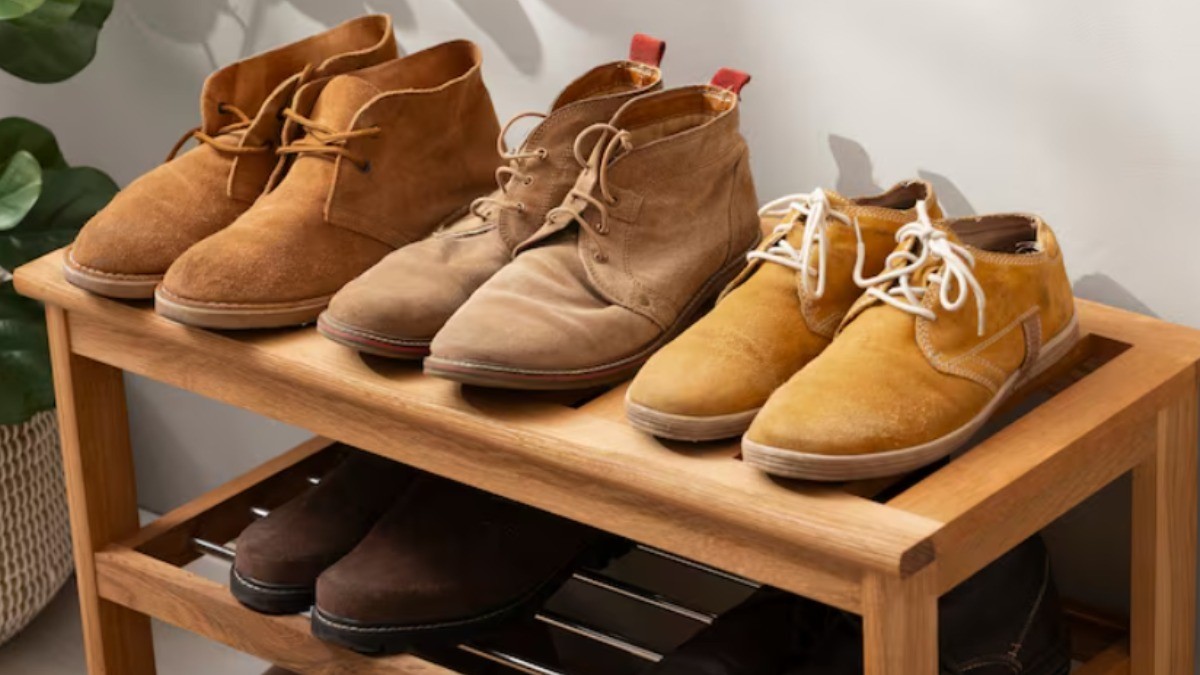
A stylish pair that is painful may soon be an impractical purchase. Here are five things to keep in mind when shopping for everyday footwear.
1. Check the Fit Carefully
Fit should be one of the first things you consider. Shoes that are too tight can create pressure points, and excessively loose footwear can make walking uncomfortable and affect stability.
Related Articles
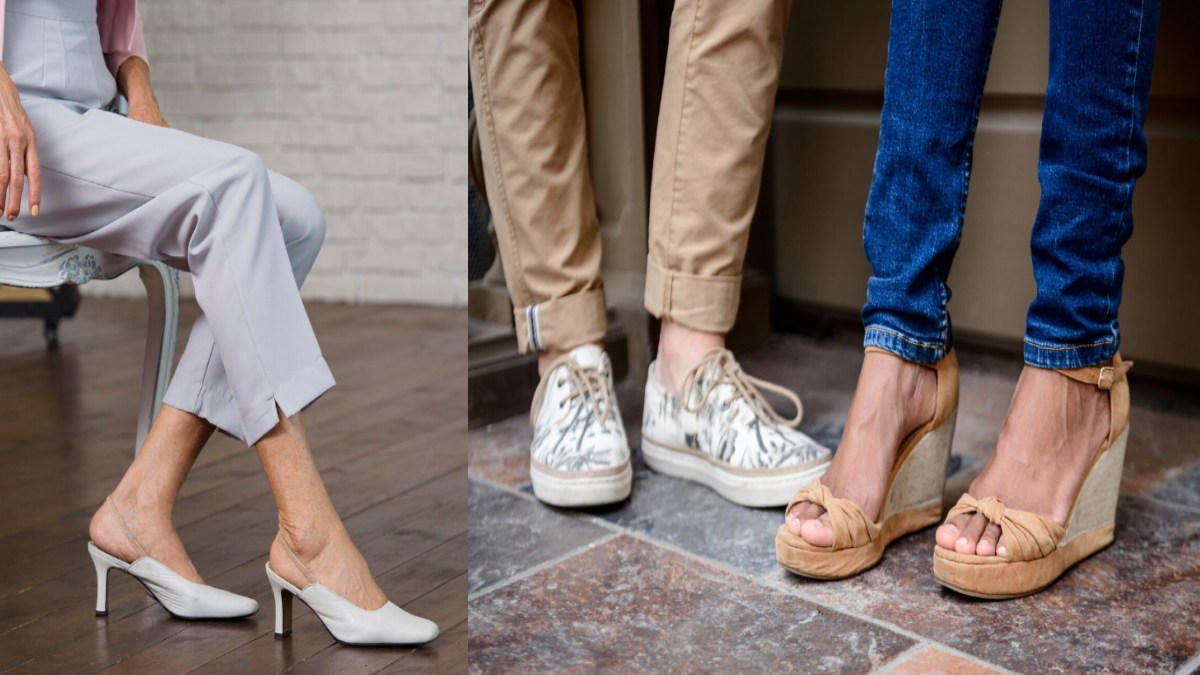

Try both shoes, because feet can vary slightly in size. Check your toes have enough room to move in both shoes if they are different sizes. Walk around while wearing them and check if your heel is well set. Your heel should be reasonably secure, so you are not squeezing it, and your toes should be okay without feeling squeezed.
It is also useful to try footwear while wearing the socks you usually wear.
2. Comfort and Support
Everyday shoes should feel comfortable from the beginning. Look for good cushioning and a sole that is suitable for your everyday activities.
Related Articles

If you spend much of the day standing or walking, consider footwear with sufficient cushioning and support, not just for appearance. A flexible sole can also make walking more comfortable, depending on the kind of footwear you are wearing.
Comfort is personal. One of the features that works well for one person may not be for another.
3. Pay Attention to the Material
The material can affect comfort, breathability, appearance and longevity. Leather, canvas, mesh, synthetic materials and other fabrics have their own properties.
Breathable materials for warm weather or long periods of wear are most effective to reduce moisture and discomfort. If it is raining and/or wet, then we need materials and construction for that kind of weather.
Always think about where you are going to use the shoes.
4. Look at Sole Quality and Grip
The sole is an important part of everyday footwear. Check if it feels sturdy while still allowing comfortable movement.
Good traction can be particularly useful if you regularly walk on polished, uneven or wet surfaces. The thickness and flexibility of the sole should also match the intended use.
A durable sole is one of the best for commuting and can help shoes withstand regular contact with different surfaces.
5. Consider Durability and Maintenance
A good everyday pair should be able to handle repeated use. Look at stitching, seams, closures and the overall construction before buying.
Think about maintenance as well. Some materials need regular cleaning or special care, while others may be easier to maintain.
If you choose a versatile colour and design, that footwear can be worn with various outfits, potentially increasing how often you wear it.
Style Should Come After Comfort
Fashion can certainly be a part of the decision, but everyday footwear should not sacrifice comfort for appearance. A versatile design that fits properly and suits your routine can be more useful than a trendy pair that is difficult to wear for long periods.
Final Thoughts
In order to buy everyday footwear, we need to strike a balance between fit, comfort, material, sole quality and durability. A few extra minutes to walk in a pair, inspect its construction and consider your daily routine can help you make a more practical choice.
The best everyday footwear is most likely the pair that suits your feet very well, supports your daily activities and remains comfortable throughout the day.




Comments 0