
The monsoon season brings welcome relief from scorching summer temperatures, but it also comes with its own set of fashion challenges. High humidity, sudden rain showers, damp weather, and muddy streets make choosing the right outfit essential for both comfort and style. For saree lovers, one common question arises every rainy season: Should you wear a cotton saree or a linen saree.
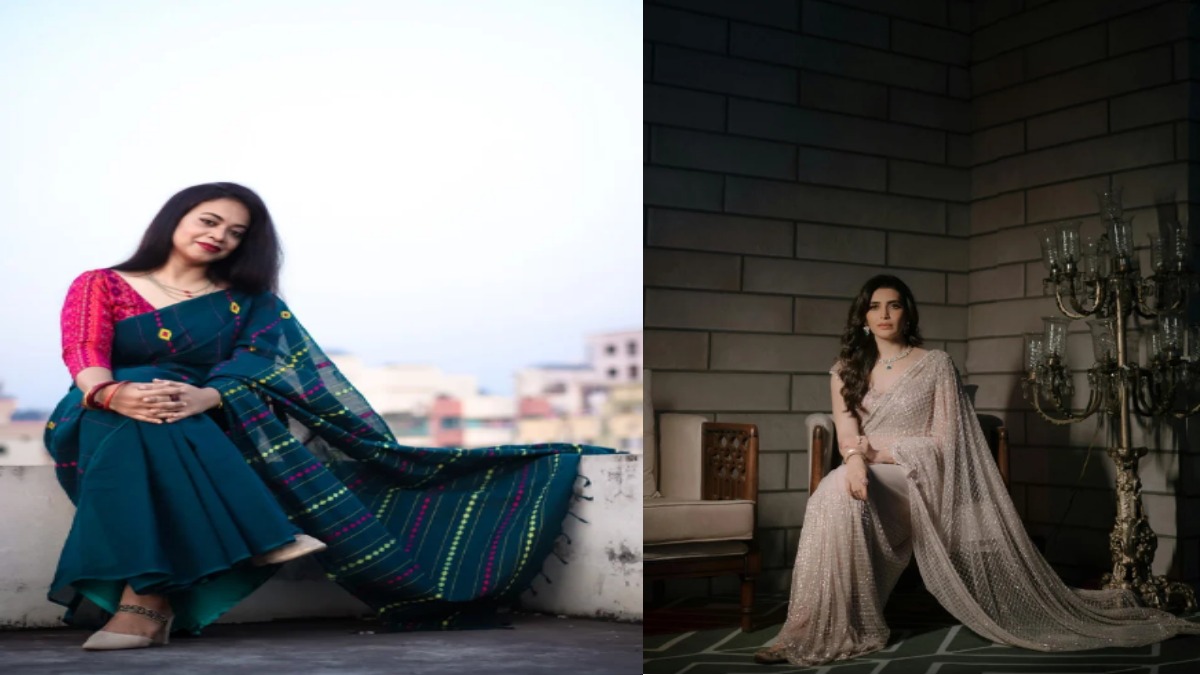
Both cotton and linen are natural fabrics known for their breathability and comfort. However, each has unique qualities that make it suitable for different occasions and weather conditions. If you're planning your monsoon wardrobe, here's a detailed comparison to help you decide which fabric is the better choice.
Cotton Sarees: A Timeless Monsoon Favorite
Cotton sarees have been a staple in Indian wardrobes for generations. They are appreciated for their softness, breathability, and versatility.
Related Articles

Advantages of Cotton Sarees
Excellent Breathability
Cotton allows air to circulate freely, helping regulate body temperature even on humid days. This makes it an excellent option for everyday wear during the rainy season.
Soft and Comfortable
Related Articles


The fabric feels gentle against the skin, making it comfortable to wear for long hours. Whether you're heading to the office, attending college, or running errands, cotton sarees provide all-day comfort.
Wide Variety of Designs
From traditional handloom weaves to modern prints and pastel shades, cotton sarees are available in countless styles suitable for casual, office, and festive occasions.
Affordable
Compared to many premium fabrics, cotton sarees are generally more budget-friendly, making them accessible to a wide range of buyers.
Limitations of Cotton Sarees
Despite their many advantages, cotton sarees also have a few drawbacks during the monsoon.
- Cotton absorbs moisture quickly and may feel damp after exposure to rain
- Heavier cotton fabrics can take longer to dry
- The fabric wrinkles easily and often requires ironing after washing
Linen Sarees: Modern, Elegant, and Monsoon-Friendly
Linen sarees have become increasingly popular in recent years due to their elegant texture and sophisticated appearance. Made from flax fibers, linen offers excellent comfort while maintaining a structured drape.
Advantages of Linen Sarees
Lightweight and Airy
Linen is naturally breathable and helps keep the body cool even in humid weather.
Relatively Faster Drying
Compared to many heavier cotton weaves, linen generally dries more quickly after getting slightly wet, making it a practical option for unexpected drizzles.
Durable Fabric
Linen fibers are known for their strength. With proper care, linen sarees can last for years while becoming softer with repeated washing.
Elegant Appearance
Linen sarees offer a refined, polished look that works beautifully for office meetings, formal gatherings, and festive occasions.
Limitations of Linen Sarees
Linen also has a few considerations.
- It wrinkles easily, although many people appreciate its natural textured appearance
- Pure linen sarees are usually more expensive than cotton sarees
- Some linen fabrics may initially feel slightly stiff before becoming softer over time
Cotton vs Linen: Which Performs Better During Monsoon
Comfort
Both fabrics are highly breathable and suitable for humid weather. Cotton feels softer immediately, while linen offers a lighter, crisp feel.
Winner: Tie
Drying Time
Linen generally dries faster than many heavier cotton fabrics after light exposure to moisture, making it slightly more practical during rainy days.
Winner: Linen
Moisture Absorption
Cotton absorbs water more readily, which can make the fabric feel heavier if it gets wet. Linen tends to release moisture more efficiently.
Winner: Linen
Maintenance
Cotton is generally easier to wash and maintain at home. Linen requires a little more care to preserve its texture and appearance.
Winner: Cotton
Style Quotient
If you're looking for a polished and sophisticated appearance, linen sarees often provide a more structured and contemporary look. Cotton sarees, meanwhile, offer timeless elegance and versatility.
Winner: Depends on the occasion
Best Choice for Different Occasions
Choose Cotton Sarees If You:
- Need an outfit for daily wear
- Prefer soft fabrics
- Want a budget-friendly option
- Spend most of your day indoors
Choose Linen Sarees If You:
- Attend office meetings or formal events
- Prefer an elegant, structured drape
- Need a saree that can handle light rain more comfortably
- Don't mind spending a little extra for durability and style
Monsoon Saree Styling Tips
No matter which fabric you choose, these tips can help you stay stylish and comfortable:
- Select lightweight sarees instead of heavily embroidered ones
- Pair your saree with moisture-wicking or cotton-blend blouses
- Wear waterproof flats or block heels to avoid slipping
- Carry a compact umbrella and a waterproof handbag
- Choose darker colours or printed sarees, as they tend to hide water spots better than very light shades
- Keep a small towel or handkerchief handy to wipe away excess moisture
Caring for Sarees During the Rainy Season
Proper care is essential to keep natural fabrics fresh during monsoon.
- Dry sarees completely before storing them
- Store them in a cool, dry wardrobe with good air circulation
- Use fabric fresheners or moisture absorbers to help prevent musty odours
- Wash according to the care label using a mild detergent
- Avoid leaving damp sarees folded for extended periods, as this can encourage mildew
Both cotton and linen sarees are excellent choices for the rainy season, but each excels in different areas. Cotton stands out for its unmatched comfort, affordability, and everyday practicality, while linen impresses with its elegant appearance, durability, and ability to dry relatively quickly after light rain.
If your priority is daily comfort and easy styling, a cotton saree is an excellent choice. If you're looking for a sophisticated outfit for work or special occasions during the monsoon, a linen saree is worth considering. Ultimately, the best fabric is the one that matches your lifestyle, the weather conditions, and the occasion. By choosing lightweight weaves and caring for your sarees properly, you can enjoy both comfort and elegance throughout the rainy season.




Comments 0