
Dressing for the monsoon is very different from dressing for summer. A kurta that is light and comfortable in May can rapidly become heavy, sticky and slow to dry once the rains start and humidity levels climb. During the monsoon season, the right fabric is much more than just style and a matter of comfort; it is about the day’s wear.
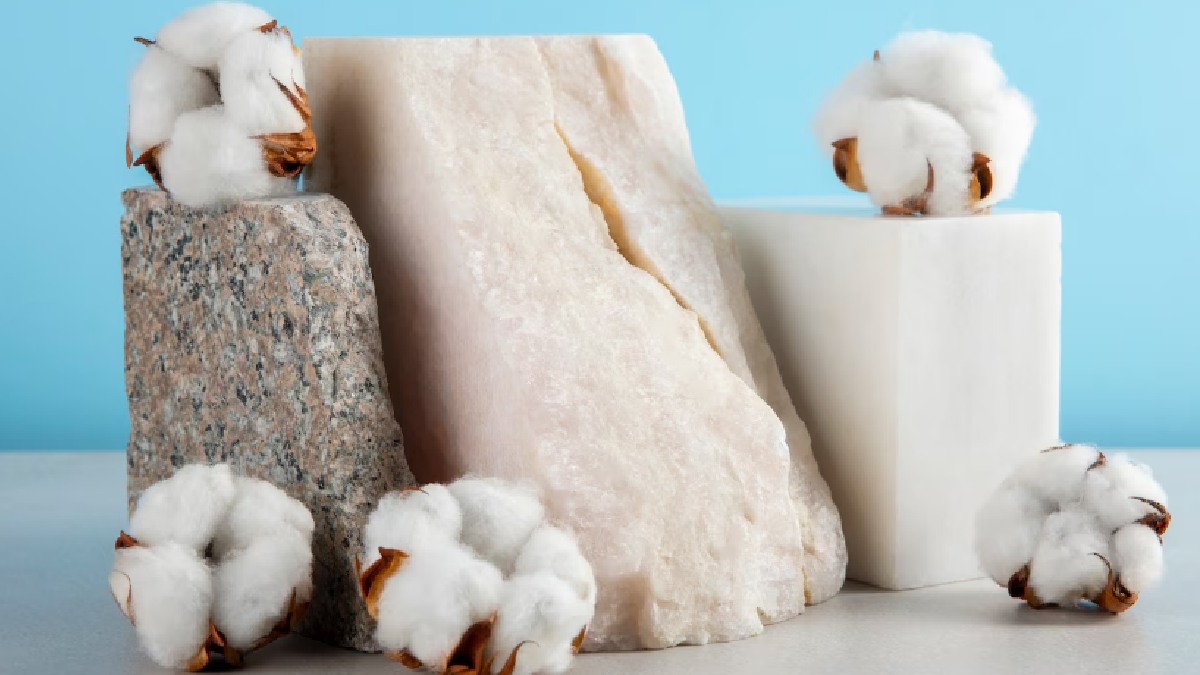
Cotton, linen and Chanderi are the most popular fabrics in Indian wardrobes. All three are loved in India for their very different characteristics but if moist and humid weather is prevalent they are quite different. Looking at how each fabric works will inform your wardrobe choices during the rainy season.
Why Fabric choice is important in Monsoon
Humidity determines the way fabrics absorb and release moisture. Some materials keep sweat and rainwater in place and are uncomfortable while others allow for better airflow and dry faster.
Related Articles

An ideal monsoon fabric should:
- Be lightweight and breathable
- Dry relatively quickly
- Feel comfortable against the skin
- Resist getting heavy when wet
- Be easy to maintain
The weave of fabric is often as important as the fabric itself.
Cotton: Everyday Choices The Reliable Everyday One
Cotton is one of the most reliable fabrics for daily wear and, especially in tropical climates.
Related Articles

Not all cotton fabric is suitable for this purpose.
Fine-Weave Cotton Performs Best
Fine, plain-weave cotton is best suited for the monsoon. It absorbs a moderate amount of moisture without getting too heavy and dries rather quickly after getting wet.
It also provides excellent breathability, allowing air to circulate freely and reducing discomfort caused by humidity.
Lightweight cotton kurtas, shirts, and dresses are comfortable even after repeated washing during the rainy season.
Heavy Cotton Can Be Less Practical
Dense cotton fabrics such as thick twill, drill, or denim-weight cotton absorb more water and take considerably longer to dry.
Such heavier fabrics may also cling to the body and feel uncomfortable in extremely humid weather.
The most important thing to learn is that the weave has much more to do with cotton than simply choosing cotton.
Linen: The Coolest Choice for Humid Days
Linen is made from natural flax fibers and is widely appreciated for its breathability.
Its fiber structure is able to soak in moisture and release it relatively fast by evaporation. This makes linen cool even when it gets humid, in the long humid days.
Benefits of Linen
Linen offers several advantages:
- Exceptional airflow
- Lightweight feel
- Faster drying than many heavier natural fabrics
- Comfortable in high humidity
- Elegant and relaxed look
Another advantage is that linen is more resistant to some bacteria and fungi growth than other fabric types, making it a practical option during damp weather.
The Drawback
The worst thing about pure linen is that it gets wrinkled.
It creases easily after sitting or commuting, which may not suit everyone. Cotton-linen blends are a good balance as they offer better wrinkle resistance while maintaining much of the breathability of linen.
Chanderi: Elegant but Best Reserved for Special Occasions
Chanderi occupies a different place in the wardrobe. Not as a regular fabric, it is particularly important in festive and formal wear.
For celebrations, it is a very light fabric with a subtle sheen.
Cotton Chanderi vs Silk Chanderi
Not all Chanderi fabrics behave the same way.
Cotton Chanderi is generally more breathable and comfortable in humid conditions, which is why it is suitable for festive occasions during the monsoon.
Silk-blend Chanderi is also a little clingy when humidity is high; however, while beautiful, it is often better suited for occasions held indoors or after the peak monsoon season.
The Importance of Fabric Weave
One of the biggest mistakes shoppers make is selecting clothing based only on the fabric label.
In reality, the weave is very much involved in performance.
For example:
- A fine cotton weave works better than thick cotton
- Pure linen dries faster but wrinkles more
- Cotton-linen blends provide better wrinkle resistance
- Cotton Chanderi is better at handling humidity than silk-heavy blends
Understanding these differences helps you choose garments that match both the weather and the occasion.
Which Fabric Is Best for Different Situations,Everyday Office Wear
Fine-weave cotton is the most practical option due to its comfort, breathability, and ease of maintenance.
Everyday Office Wear
Fine-weave cotton remains one of the most practical options due to its comfort, breathability, and ease of maintenance.
Extremely Humid Days
Linen is an excellent choice when temperatures and humidity are high because it allows better airflow and dries relatively quickly.
Festive Gatherings
Cotton Chanderi works beautifully for weddings, family celebrations, and cultural events, particularly when held indoors or after rainfall.
Final Verdict
There is no single fabric that wins every monsoon situation.
- Fine-weave cotton is the most reliable option for daily commuting and regular wear
- Linen performs exceptionally well during hot, humid days thanks to its breathability and relatively fast drying properties
- Chanderi, especially cotton-based Chanderi, is the most suitable for festive occasions when elegance is the priority
So the best fabric for the monsoon is not just cotton, linen, or Chanderi it’s about understanding how well all three of these fabric structures and weaves respond to humidity. Fine cotton is the everyday winner, linen excels on the muggiest days with its superior breathability, and Chanderi shines during festivals and special occasions. Instead of relying on a single fabric, the smartest monsoon wardrobe includes all three, allowing you to dress comfortably and stylishly no matter what the weather brings. By selecting the right fabric for the right moment, you can stay fresh, confident, and prepared throughout the rainy season.




Comments 0