
Fashion is not just a question of what to wear. Since the days of old, clothing has been very much associated with identity, culture, wealth, and social status. Clothing design, material, craftsmanship, and availability can communicate to an individual from a certain class or place of origin. And fashion also challenges class as much as it makes sense to do that in a broader range of people.

Fashion as a signifier of status
Clothing has long been used to show social position. In many societies, expensive fabrics, elaborate embroidery, and specialised craftsmanship were associated with wealthy groups.
Some colours, fabrics, and designs were difficult to produce in the past (and expensive) and were therefore not visible to many people. Clothing could thus become a visible symbol of wealth and social distinction.
Related Articles


Even today, luxury clothing, jewellery, and accessories can communicate economic status through their materials, craftsmanship, and brand identity.
Fashion designers’ role in the fashion industry.
Designers shape a lot of people’s perceptions of style and status. Designers construct shapes, patterns, materials, and collections that can be associated with lifestyles or social groups.
The high-fashion collections are presented as exclusive goods, and they are usually in short supply and very expensive. This makes luxury fashion different from mass-market clothing.
Related Articles
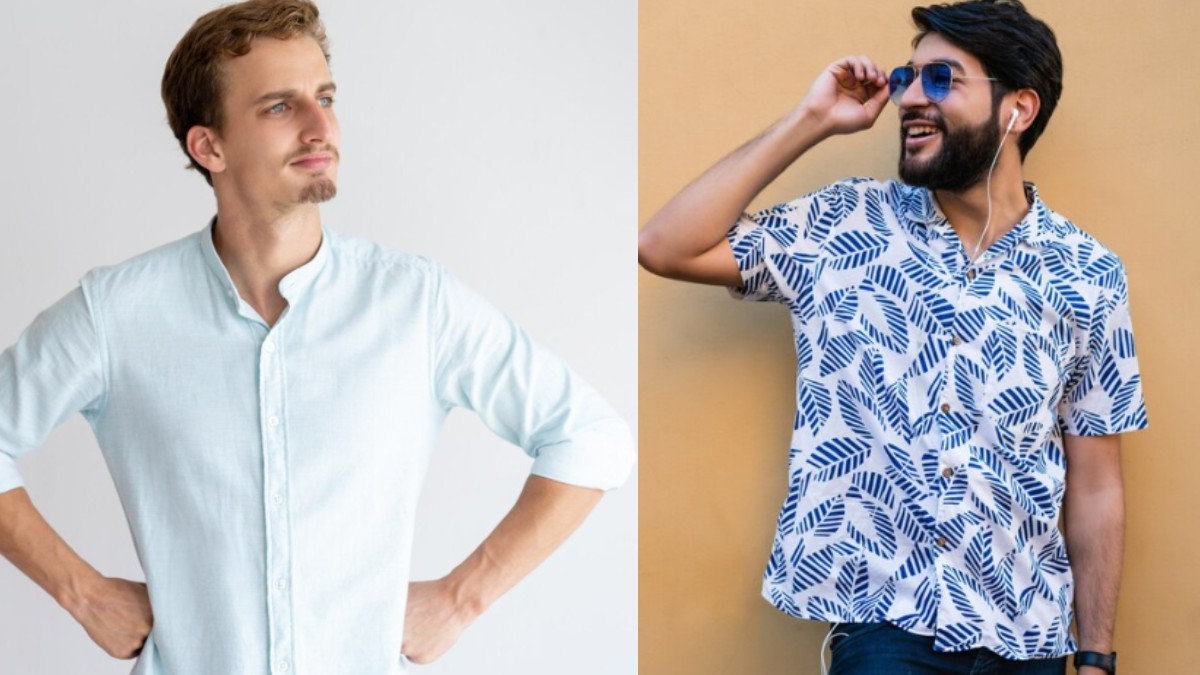

Designers can get at the same time to come up with big ideas that eventually come to mainstream fashion.
Luxury Fashion and Exclusivity
Luxury fashion is built on craftsmanship, heritage, small production, and distinct design. And those are very expensive and difficult for everyone to get.
Luxury fashion can be associated with wealth and prestige. Fashion shows, celebrity appearances, and carefully constructed brand identities can strengthen these associations.
But being in luxury clothing is, of course, not the only way people express themselves in a style or identity sense.
Fast fashion and wider access
Fast fashion has changed the way that clothes and social class interact. Now trends that have appeared mostly on fashion runways can reach high-street stores and online retailers very soon.
This has made fashionable designs available to a much wider audience. People can experiment with different styles without necessarily spending large amounts of money.
But fast fashion has environmental and labour issues and clothing waste to worry about.
Fashion and Social Mobility
Fashion can sometimes help people navigate different social environments. Clothing may be used to create a particular professional image, fit into a social group, or express personal ambition.
A well-designed outfit can shape what you appear to be in workplaces, social gatherings, or public places. But clothes alone don’t determine a person’s social class.
Social Media Is Changing Fashion
Social media has also obliterated traditional lines of clothing categories. Influencers, independent designers, and everyday users are now the ones driving trends to a large audience.
A style can move fast from luxury fashion to affordable retailers and then into everyday wardrobes. Fashion is more dynamic, and consumers can be involved in fashion trend creation instead of just following the ‘old fashion houses’.
Fashion as Expression rather than class
And while clothes can convey wealth and status, as well as the way we dress can be an expression of wealth, money, or status, fashion is also a powerful act of self-expression. People wear clothes according to comfort, culture, personality, creativity, and personal preferences.
The same garment can carry different meanings depending on how it is styled and who wears it.
Fashion and Class: How you are changing the way you dress?
Fashion continues to reflect social and economic differences, but today’s clothing culture is more diverse than ever. Luxury brands, independent designers, thrift stores, streetwear, and affordable retailers all contribute to today’s fashion landscape.
Fashion design, ultimately, can be about revealing aspects of social class while also enabling people to experiment with identity and, at the same time, to question old notions of status.




Comments 0