
Fashion is often described as a way to look good, follow trends or make a statement, but it can be much more than that. What we wear can communicate aspects of our personality, mood, culture, creativity and individuality without requiring us to say a word. From a favourite colour or a signature accessory to a carefully chosen outfit, fashion can serve as a powerful form of self-expression.
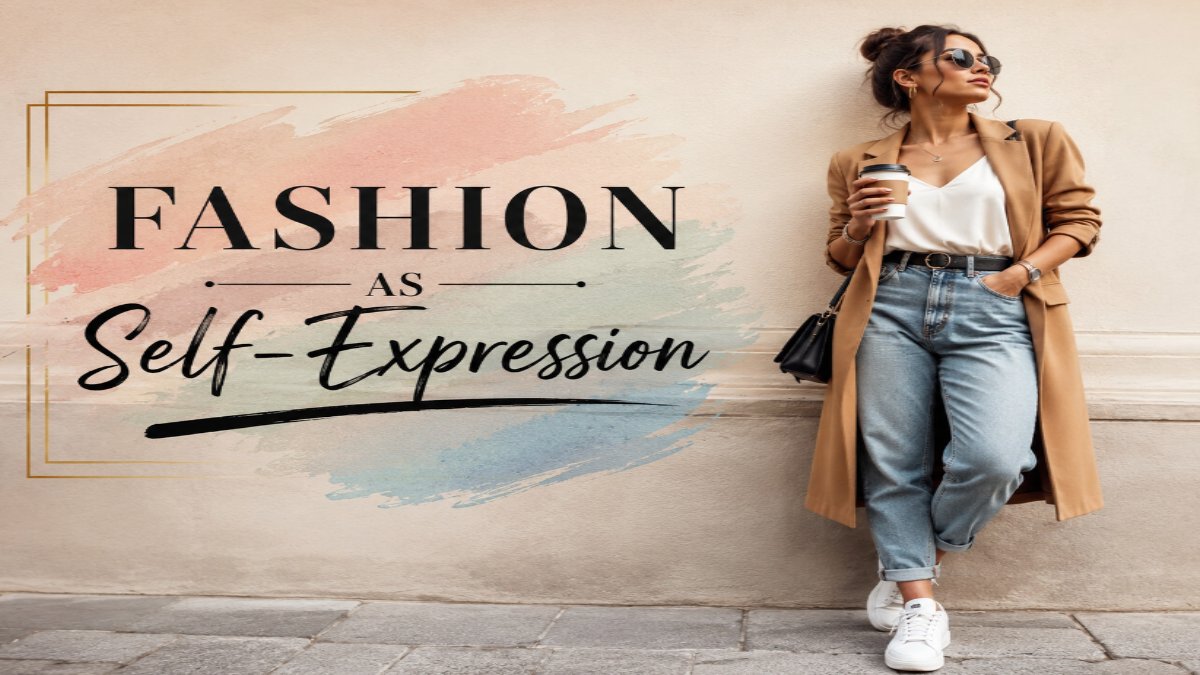
Personal style does not have to follow a particular trend or fit neatly into one category. It can change with age, lifestyle, environment and mood. The beauty of fashion lies in its ability to give people the freedom to experiment and decide how they want to present themselves to the world.
Clothing Can Communicate Personality
The clothes we choose can offer subtle clues about how we see ourselves. Someone who prefers structured blazers and tailored trousers may enjoy a polished and sophisticated aesthetic, while someone who chooses relaxed silhouettes and sneakers may value comfort and casual expression.
Related Articles
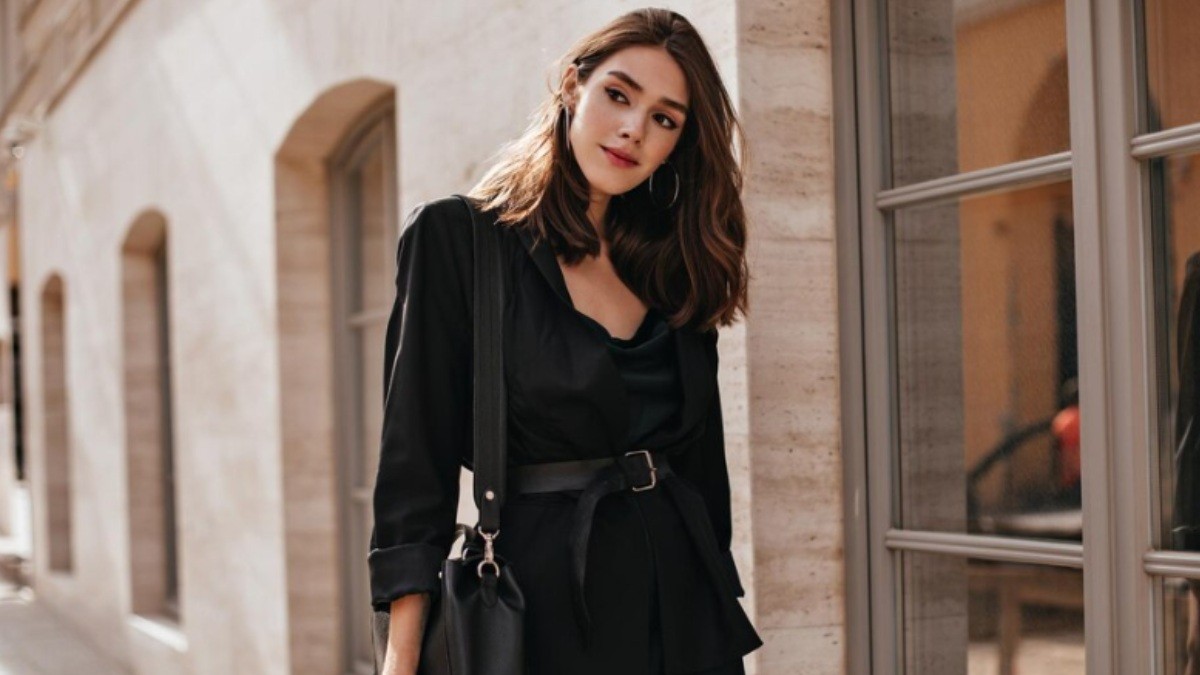
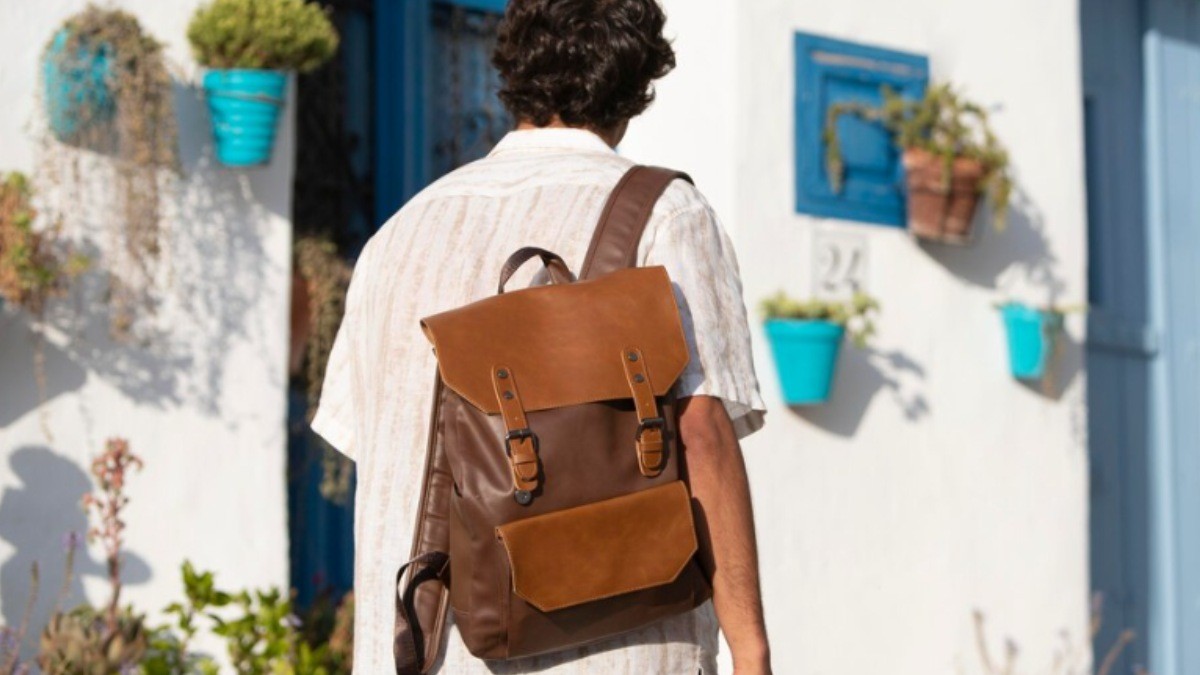
Of course, clothing does not completely define a person. Fashion is simply one of many ways people communicate identity.
Even small choices can become part of someone's signature style. A particular type of jacket, favourite footwear or preference for minimal jewellery can make an outfit feel uniquely personal.
Colours Can Reflect Mood and Emotion
Colour is another powerful element of fashion. Bright shades may feel energetic and playful, while neutral tones can create a more understated appearance. Deep colours can feel dramatic or sophisticated, whereas soft shades may create a delicate aesthetic.
Related Articles
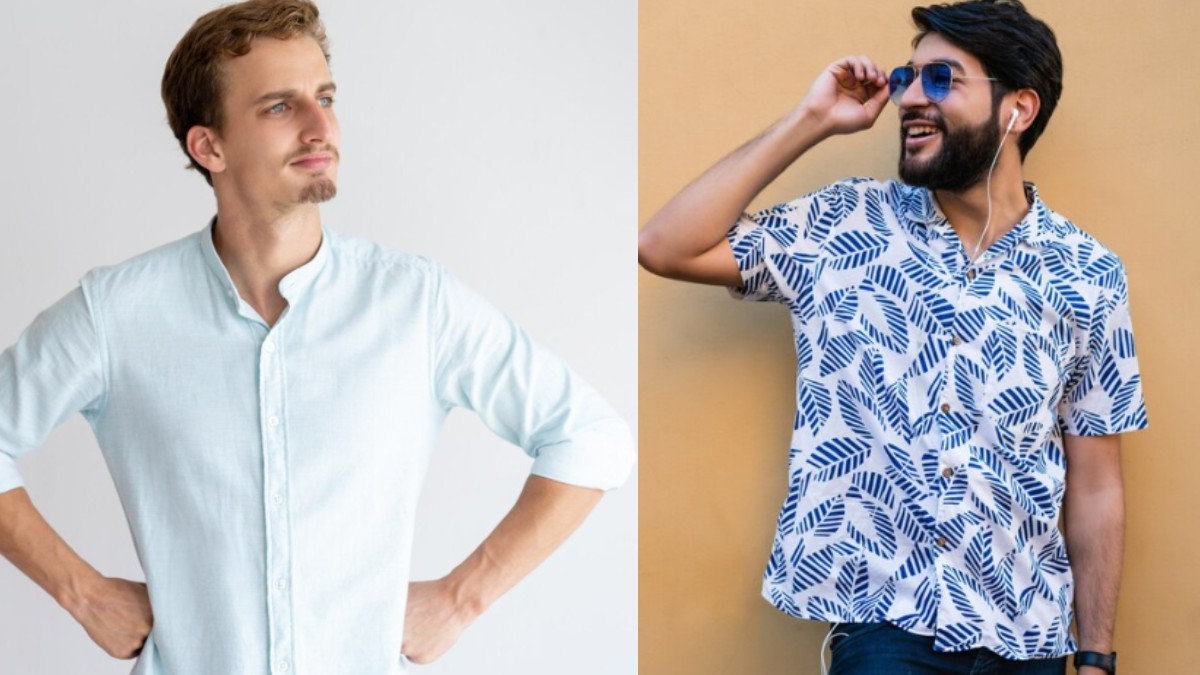
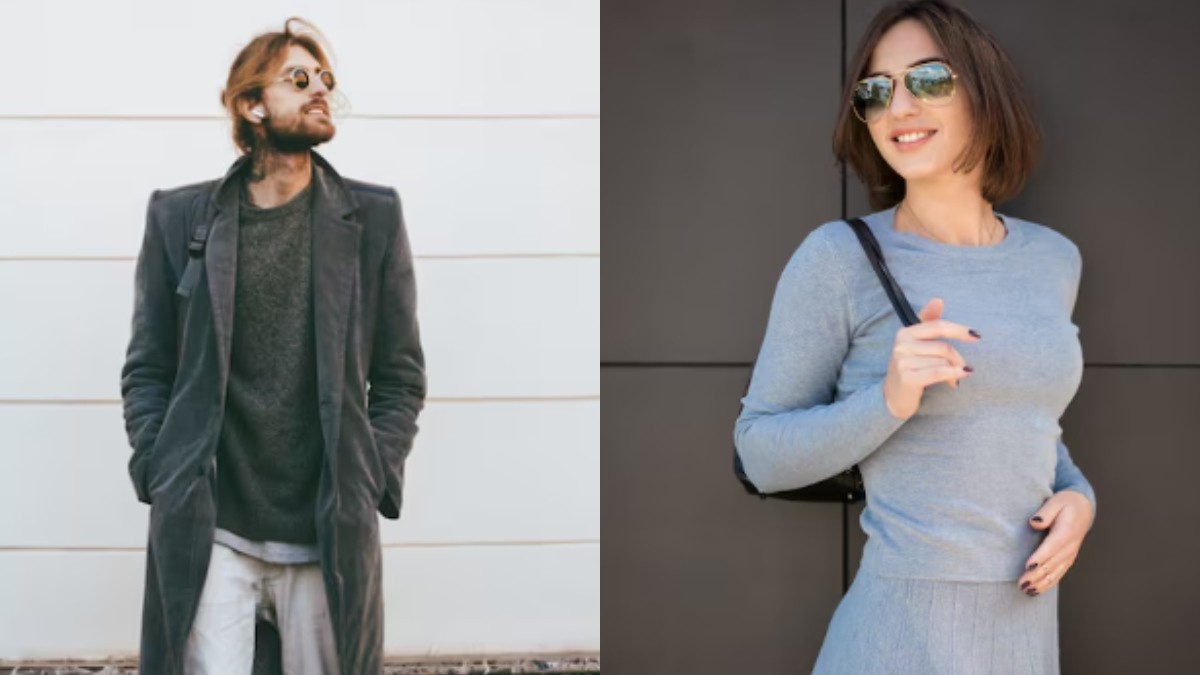
People also tend to associate colours with memories, cultures and personal experiences. A particular shade might remind someone of a favourite place, person or period in their life.
Choosing colours based on how you feel can make getting dressed more creative. Some days may call for bold colours, while others may feel more suited to calm neutrals.
Fashion Allows Creative Experimentation
One of the biggest advantages of fashion is that there are no permanent rules. You can experiment with different silhouettes, textures, prints and combinations to discover what feels authentic.
Trying a new trend does not mean you have to adopt it completely. A person might incorporate a trend through a handbag, scarf or pair of shoes rather than rebuilding their entire wardrobe.
Fashion can therefore function like a creative playground where people can test different versions of their personal style.
Accessories Tell Their Own Story
Accessories may be small, but they can have a significant effect on an outfit. Jewellery, watches, handbags, sunglasses, scarves and belts can add personality to even a simple look.
Some accessories may also have sentimental value. A family heirloom, meaningful pendant or gift from a loved one can transform an ordinary outfit into something emotionally significant.
A signature accessory can eventually become strongly associated with an individual's appearance.
Cultural Identity and Fashion
Fashion can also help people express cultural heritage. Traditional clothing, textiles, embroidery, jewellery and patterns can carry generations of history and meaning.
Many people combine traditional pieces with contemporary clothing to create a style that reflects both heritage and modern life. Wearing culturally meaningful clothing can be a way of celebrating identity and maintaining connections with family and community.
At the same time, cultural fashion should be approached respectfully, particularly when adopting garments or symbols from traditions outside one's own.
Fashion and Confidence
Feeling comfortable in what you wear can influence how you carry yourself. An outfit that makes you feel confident may encourage better posture, greater comfort in social situations and a stronger sense of individuality.
However, confidence does not come from expensive labels or following every trend. The most effective wardrobe is often one that makes the wearer feel comfortable and authentic.
Understanding your own preferences can therefore be more valuable than trying to replicate someone else's style.
Personal Style Does Not Have to Be Expensive
Self-expression through fashion is not limited to luxury clothing. Thrifted pieces, affordable basics, vintage finds and clothing already in your wardrobe can all be used creatively.
Learning how to combine existing pieces in new ways can make your wardrobe feel fresh without requiring constant shopping.
Alterations can also give older clothing a new life. Changing the length of a garment, replacing buttons or adding a personal detail can transform something ordinary into something unique.
Social Media and the Pressure to Follow Trends
Social media has made fashion inspiration more accessible than ever. Platforms are filled with outfit ideas, styling tutorials and emerging trends.
While this can be inspiring, it can also create pressure to look a certain way. Constantly comparing your wardrobe or appearance with influencers and celebrities may make you feel that your own style is inadequate.
Instead of copying an entire aesthetic, take inspiration from individual elements that genuinely appeal to you.
Fashion Evolves With You
Personal style rarely remains exactly the same throughout life. Changes in career, lifestyle, body, interests and priorities can naturally influence what you wear.
A person may prefer experimental outfits during one stage of life and minimalist clothing later. Neither approach is more authentic than the other.
Allowing your style to evolve can be a healthy way of recognising personal growth.
How to Develop Your Own Style
If you are unsure about your personal style, start by identifying clothes you already enjoy wearing. Look for common patterns in your favourite outfits.
Ask yourself:
- Which colours make me feel comfortable
- Which silhouettes do I naturally reach for
- Do I prefer classic, casual, minimalist or experimental looks
- Which accessories feel like “me”
- Do I prioritise comfort, practicality, creativity or statement pieces
- Which outfits make me feel most confident
There is no correct answer. Your style should reflect your preferences rather than someone else's expectations.
Fashion is ultimately about more than clothes. It can be a visual language through which people express personality, emotion, culture, creativity and individuality.
You do not need to follow every trend or own a designer wardrobe to make a statement. Sometimes, a favourite colour, a well-loved pair of shoes or a meaningful piece of jewellery can communicate more about you than a carefully constructed trend-driven outfit.
The most powerful form of personal style is authenticity. Wear what makes you feel comfortable, confident and genuinely yourself and let your fashion choices evolve as you do.




Comments 0