
Fashion is much more than clothing, accessories, hairstyles or beauty trends. It is a powerful social phenomenon that reflects the values, beliefs, traditions and changes taking place within a society. What people choose to wear can communicate their identity, profession, social position, cultural background and even their attitudes toward social issues.

Across history, fashion has helped communities express who they are while also creating connections between people. From traditional clothing and ceremonial dress to streetwear and social media trends, fashion continuously evolves alongside society.
Fashion as a Form of Social Communication
Clothing often communicates information before a person even speaks. A formal suit may suggest professionalism, while sportswear can indicate an interest in fitness or an active lifestyle. Traditional garments may represent cultural heritage, while a particular subculture may use distinctive clothing to express shared interests and values.
Related Articles

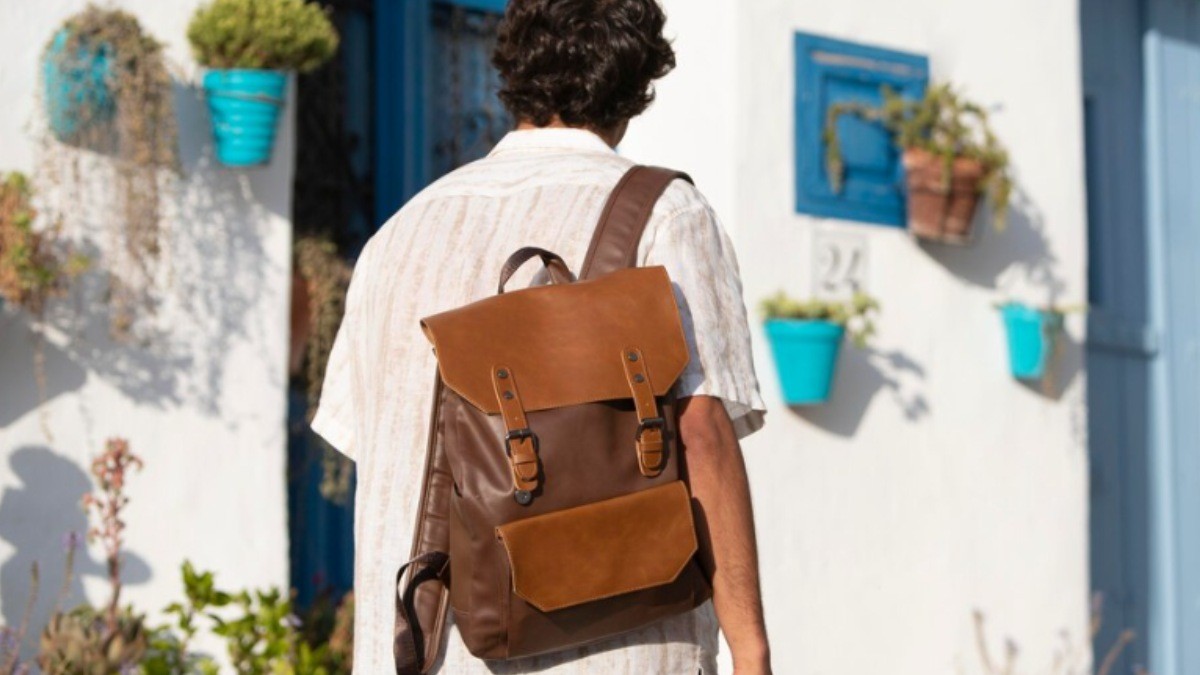
Fashion therefore works as a form of non-verbal communication. Colours, patterns, fabrics, silhouettes and accessories can all send messages. Even deliberately choosing not to follow a popular trend can become a statement about individuality.
The Relationship Between Fashion and Culture
Culture has a major influence on fashion. Every society develops clothing traditions shaped by its history, climate, religion, craftsmanship and customs. Sarees, kimonos, kilts, kaftans, hanboks and many other traditional garments demonstrate how clothing can preserve cultural identity.
At the same time, fashion allows cultures to influence one another. Global travel, migration, entertainment and digital communication have made fashion increasingly interconnected. Designers and consumers frequently draw inspiration from international styles, creating new combinations of traditional and contemporary influences.
Related Articles
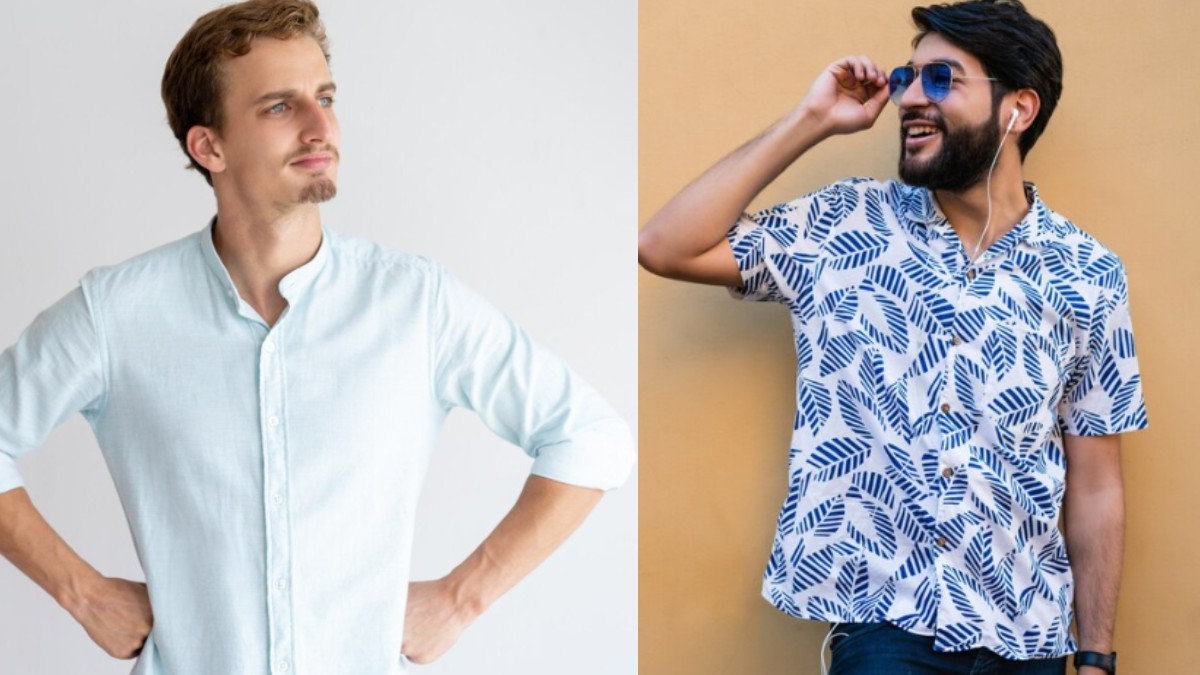

However, cultural exchange also raises important conversations about cultural appreciation and appropriation. Understanding the history and significance of garments is essential when incorporating elements from another culture into modern fashion.
Fashion and Social Status
For centuries, clothing has also been associated with social class and status. Expensive fabrics, jewellery and carefully crafted garments were historically accessible mainly to wealthy communities. Certain colours, materials or styles were even restricted by social rules in different periods.
Although modern fashion is more accessible, clothing can still communicate economic status. Designer labels, luxury accessories and exclusive collections can function as symbols of wealth and prestige. At the same time, affordable fashion has allowed consumers from different backgrounds to participate in trends.
Fashion and Identity
Personal identity is one of the most important social dimensions of fashion. People often use clothing to express personality, mood, interests and values. Someone may prefer minimalist clothing, bold colours, vintage pieces, athletic wear or experimental designs depending on how they want to present themselves.
Fashion can also help people feel connected to particular communities. Music fans, athletes, artists and youth subcultures have historically developed distinctive styles that create a sense of belonging.
For many people, fashion is also an opportunity to challenge conventional expectations. Changes in gender expression, body representation and ideas of beauty have influenced the way contemporary fashion is designed and worn.
The Influence of Media and Social Platforms
Television, films, magazines and celebrities have influenced fashion for decades. Today, social media has accelerated this process dramatically. Platforms such as Instagram, TikTok and YouTube allow trends to spread across countries within hours.
Influencers and content creators can introduce audiences to new brands, styling techniques and aesthetics. At the same time, social media has made fashion more participatory. Consumers are no longer simply following designers; they are creating outfits, sharing styling ideas and influencing trends themselves.
This constant exposure can have both positive and negative effects. Social platforms can inspire creativity and provide access to diverse fashion communities, but they can also encourage comparison and pressure to keep up with rapidly changing trends.
Fashion and Social Change
Fashion frequently reflects broader social movements. Throughout history, changes in women's clothing have accompanied changing ideas about women's roles, independence and participation in public life. Youth movements have similarly used clothing to question established norms.
Today, conversations about sustainability, inclusivity, body diversity and ethical production are influencing fashion. Consumers increasingly want to know how clothing is made, who produces it and what environmental impact it has.
Fashion is a living reflection of society. It communicates identity, preserves culture, demonstrates social connections and responds to political, economic and technological changes. While trends may appear superficial at first glance, the choices people make about clothing can reveal much about the communities and cultures in which they live.
As society continues to change, fashion will evolve with it. Whether through traditional garments, sustainable clothing, street style or digital trends, fashion will remain an important way for people to express themselves and participate in the social world.




Comments 0