
Fashion is more than clothing and personal style. It can reflect culture, history, identity and social change. Designers and fashion communities around the world have used clothing to express heritage and to challenge the very narrow vision of beauty and representation.
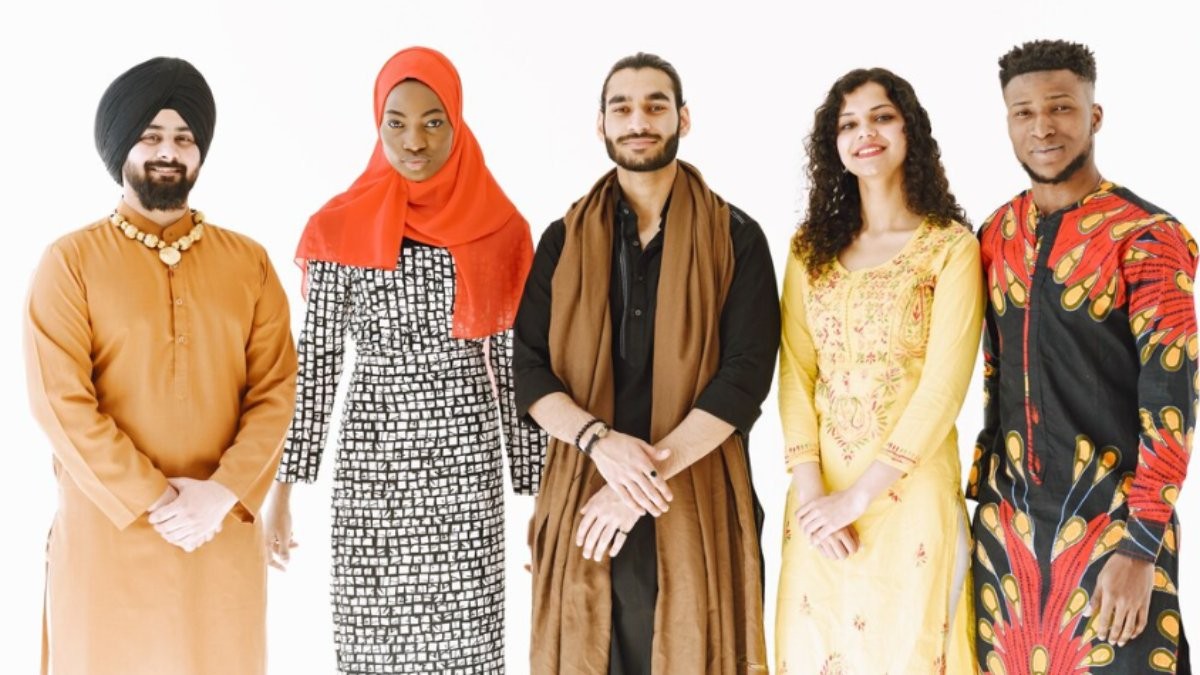
As people of various races and ethnic backgrounds have become visible, so have the runways, advertising campaigns, magazines and fashion media.
Why Representation Matters in Fashion
If people from all walks of life are featured in campaigns, runway shows and editorial features, they bring a larger diversity of experiences and perspectives to the industry.
Related Articles
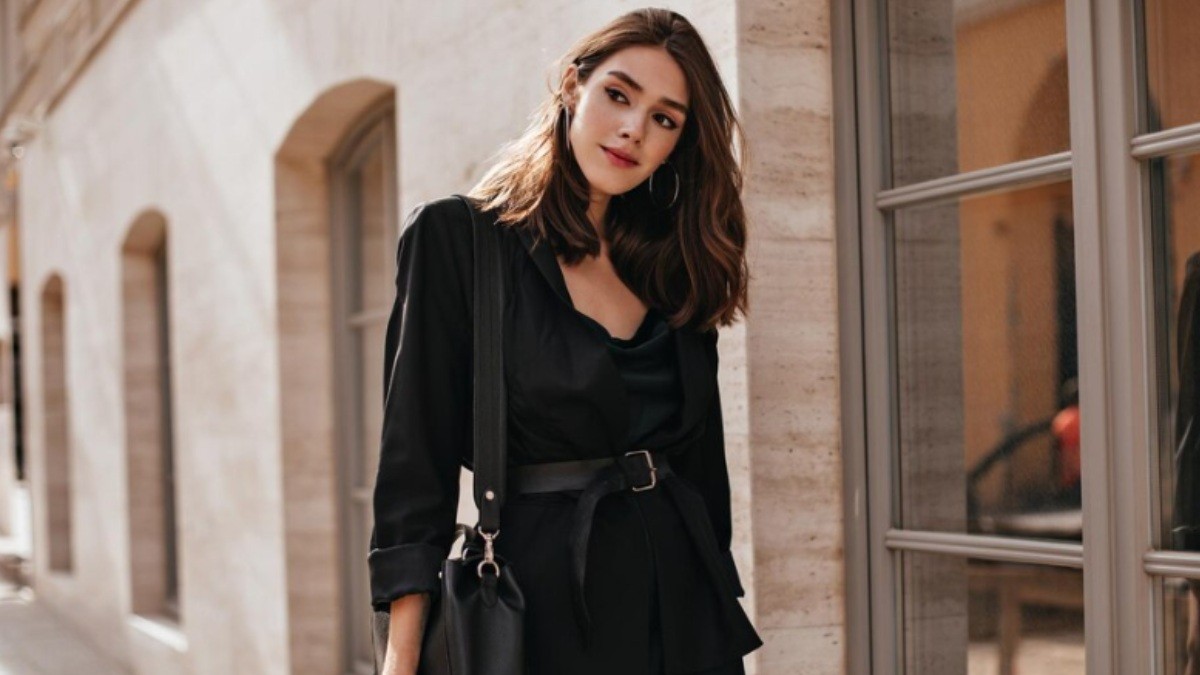
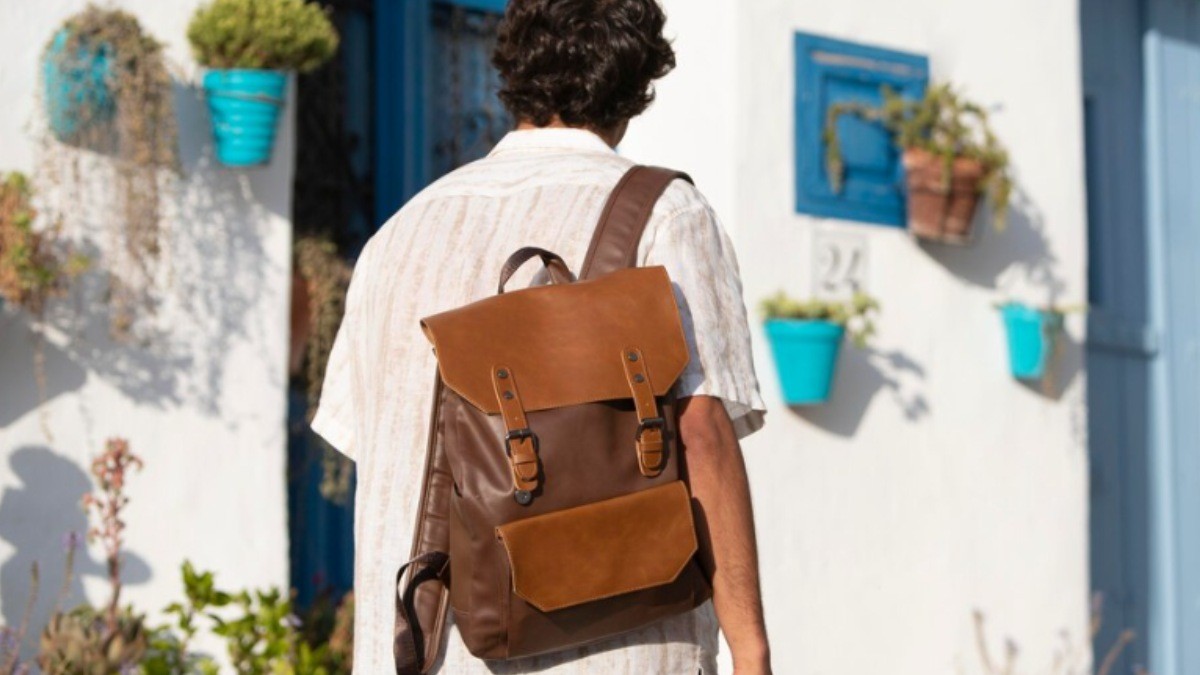
Representation can also help audiences see different skin tones, facial features, hairstyles, body types and cultural styles as part of mainstream fashion.
However, representation is more than just putting diverse faces in front of a camera. Real representation means that people can be involved in creative and decision making as well.
Celebrating Cultural Heritage Through Clothing
Traditional clothing can convey a strong connection to heritage. Sarees, kimono, hanbok, dashiki, embroidered garments, indigenous textiles and many other forms of dress carry cultural histories.
Related Articles
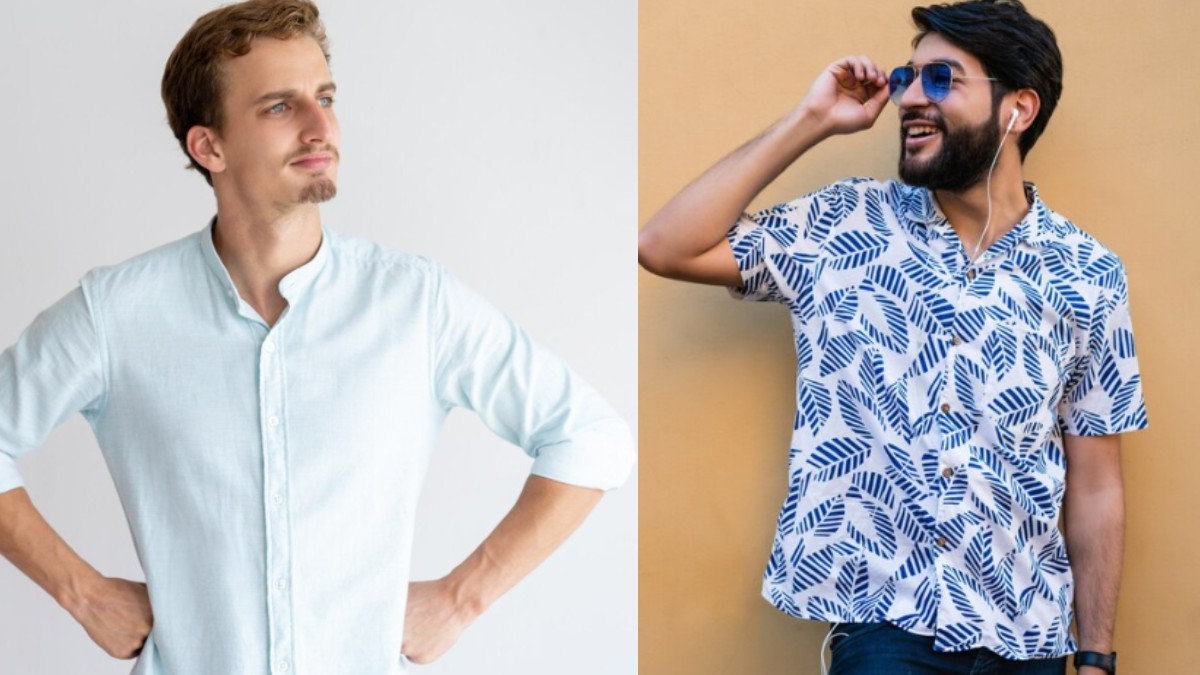
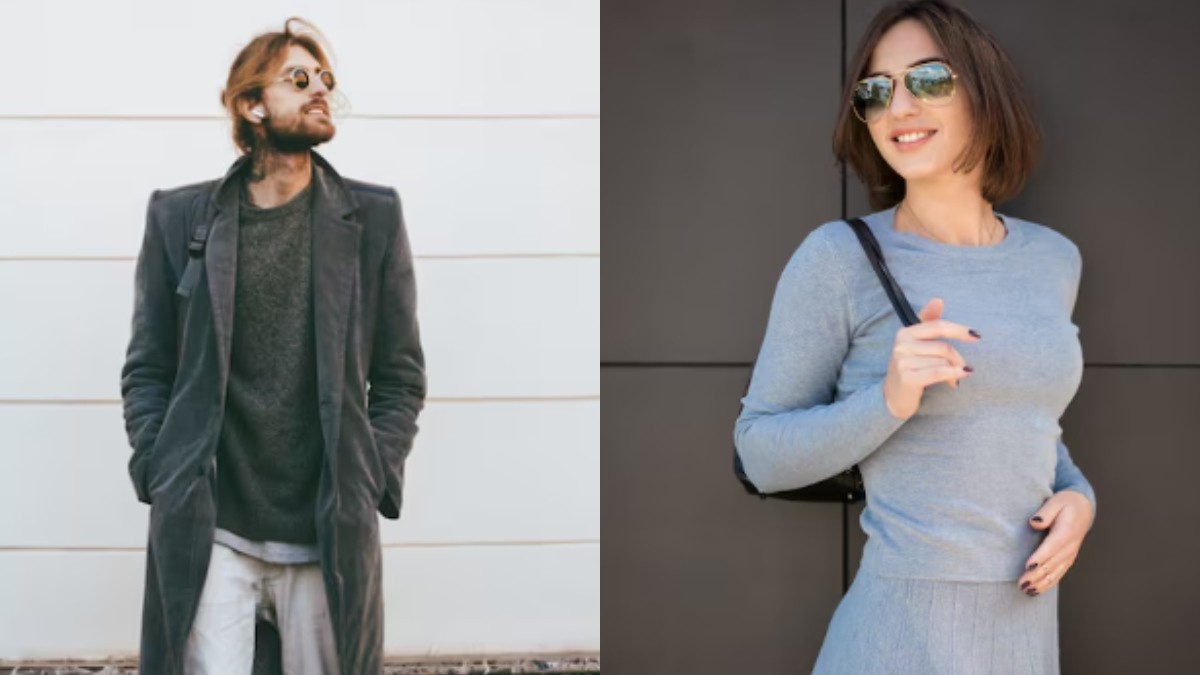
When done right, cultural traditions can be brought to new audiences by the skill of artisans and communities, and when done with care, such cultural traditions can be introduced to the public.
The Importance of Cultural Context
Fashion can lead to arguments on cultural appropriation. That is, when certain elements of culture are used to describe the cultural origin and significance in a way that doesn’t include the original community in the process.
Cultural exchange and appreciation may take place in fashion, but context and collaboration are really important. Designers have to work with artisans and cultural communities to acknowledge sources of inspiration and to learn about the traditions behind specific designs.
Changing Beauty Standards
Fashion media has traditionally promoted relatively narrow notions of beauty in many markets. The industry has gradually become more visibly diverse as it has portrayed models from different racial and ethnic backgrounds in international campaigns and fashion events.
The greater representation of beauty should help us have a conversation about beauty in general. It also offers consumers more opportunities to see fashion on people from different parts of society.
Hair, Skin and Personal Identity
Representation is not limited to clothing. Hairstyles, makeup and beauty practices can be cultural and can have cultural meaning and form a part of one's identity.
Natural hair, protective hairstyles, traditional jewellery and culturally specific beauty practices have come to be part of fashion conversations. These are things that allow people to express personal style and cultural links.
Designers From Diverse Backgrounds
Designers bring their own experiences and cultural perspectives to their work. They may have traditional craftsmanship, local textiles, historical references or contemporary interpretations of cultural identity in their collections.
Greater diversity among designers, stylists, photographers, editors and creative directors can not only influence who appears in fashion imagery but also the stories the industry chooses to tell.
Social Media Is Changing Representation
Social media has given individual designers, creators and fashion enthusiasts opportunities to showcase different types of styles to the world outside traditional fashion institutions. Creators can tell their own stories and show the world what culture is like and what they do stylistically to make fashion, too.
This has widened conversations about identity and helped audiences learn fashion traditions from communities around the world.
A More Diverse Fashion Future
Representation is changing in fashion. There are still issues of inclusion, access and cultural sensitivity in the industry, and audiences and new designers are looking at it more from a wider perspective.
Dressing can be seen as a place where culture can be seen, creativity celebrated and different experiences are recognized. A more inclusive fashion landscape would give fuller stories about the people working on clothing (people that make, design and shape clothes) as well.




Comments 0