
Traditional clothing is not just about fabric and design. Around the world, clothes have been associated with history, geography, artisanship, social traditions and festivals. From India’s sari to Japan’s kimono and Korea’s hanbok, traditional clothes represent cultural identity.
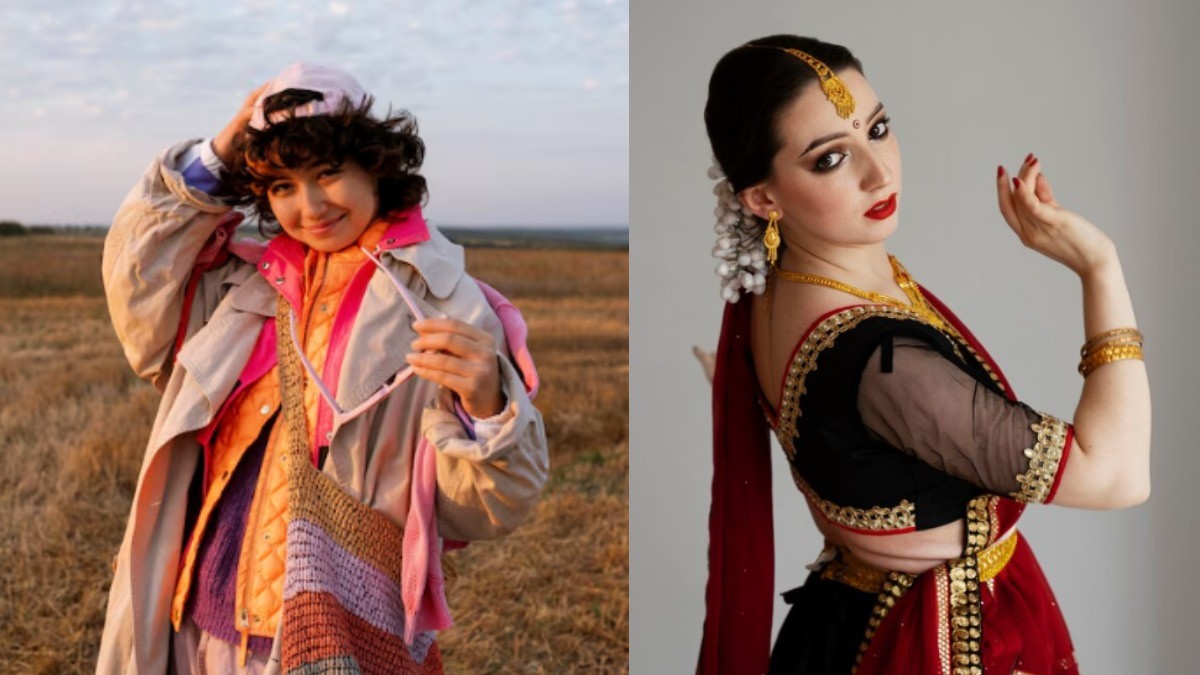
Today these classic styles are finding a place in contemporary wardrobes. Fashion designers and fashion fans are modifying old-school silhouettes, patterns and techniques to create clothing that is culturally rooted and modern.
India: The Sari Gets a Contemporary Twist
The sari is one of India’s most recognizable traditional clothes. It is typically worn around the body, in many regional fabrics, colours and weaving styles.
Related Articles


Today’s designers have tried up and down with pre-stitched saris, sari gowns, belts, jackets, and sleek and modern blouses. These interpretations make the dress easier to wear and still have the same kind of elegant looks and feel. Modern Indian embroidery, handloom fabrics and motifs of traditional Indian silk and tapestry patterns are also being incorporated into contemporary dresses, skirts and coordinated sets.
Japan: The Kimono Meets Modern Fashion
Design is the foundation for the kimono and the kimono is very much tied to Japanese culture and craftsmanship. Its shape, layered look and different patterns have influenced fashion outside Japan.
Contemporary versions could incorporate kimono-like sleeves, wrap silhouettes and obi-like belts into jackets, dresses and coats. Designers are often reinterpreting old prints and fabrics to create a silhouette that works for everyday wardrobes.
Related Articles


Korea: The Hanbok Goes Contemporary
Korean hanbok has a beautiful shape, bright colors and large proportions. Although traditionally worn in festivals, ceremonies and important occasions, modern versions of the hanbok have been much more popular among today’s generations of younger people.
For modern hanbok, the shapes are simplified, shorter and modern fabrics are used. These adaptations preserve recognisable components while making the clothing more practical to wear on a regular basis.
Africa: Traditional Textiles in Modern Designs
Old African clothes vary drastically from place to place and community to community. The fabrics kente and Ankara are globally known for their vivid colors and striking patterns.
These textiles are frequently used by modern designers in trousers, blazers, dresses, skirts and accessories. This way traditional textile artistry is integrated into the current dress instead of being buried in the dress clothes.
Scotland: The Tartan Tradition
Scottish tartan has also come into modern day fashion too, strongly associated with Highland dress and kilts. Today, tartan patterns are seen on trousers, coats, skirts, scarves and streetwear.
Designers experiment with different colours, proportions and combinations, demonstrating how a historic textile pattern can adapt to changing fashion preferences.
Preserving Tradition Through Innovation
I think contemporary interpretations can help traditional clothing remain relevant to new generations. But cultural appreciation comes from understanding the history and significance of the clothing.
Designers are now faced with balancing creativity and cultural respect. Working with traditional artisans and communities can help in making sure modern adaptations recognize the origins and craftsmanship of the designs.
The Future of Cultural Fashion
It is the relationship between classic and modern fashion that continues to develop. International travel and global fashion weeks have made cultural styles more visible than ever to a wider world audience because the way that we see things is through social media, international travel and global fashion shows.
The most meaningful modern interpretations do not simply copy traditional costumes. They merge heritage with contemporary creativity, and so the historic techniques, patterns and silhouettes not only come to new fashion spaces but also into new fashion spaces.
That’s why traditional clothes are so far not only symbols of the past. With a little bit of rethinking they can be part of cultural storytelling and part of the new fashion of the future.




Comments 0