
Punk culture has transformed clothes from a mere form of self-expression into something that expresses an identity, rebellion and individuality. What began as an underground movement in the 1970s would spread beyond music venues and subcultures and into designers, celebrities, luxury fashion houses and everyday wardrobes.
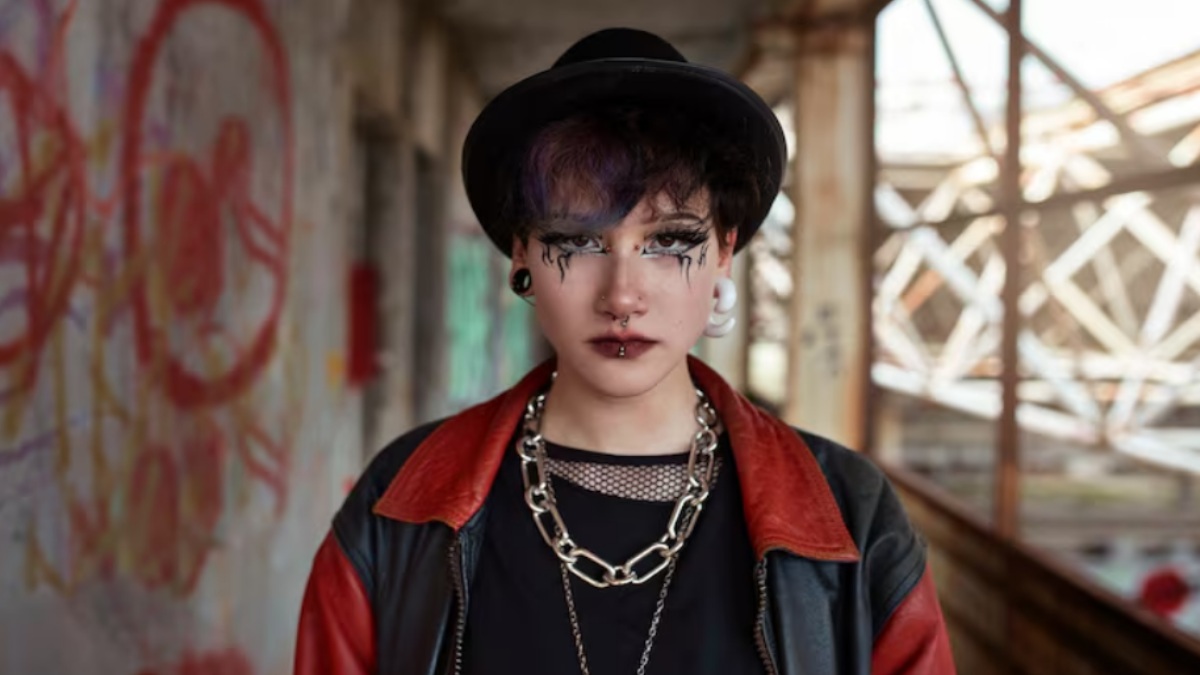
Punk fashion challenged conventional ideas of what clothing should look like. Punk did not follow polished and traditional styles but instead took advantage of “distressed fabrics, leather, safety pins, bold graphics, metal hardware and unconventional silhouettes.” Most of these elements have become increasingly familiar features of the mainstream fashion world.
How punk fashion began
Punk movements emerged in the UK and the USA during the 1970s. Music was the focus of the movement but clothing was a very effective way for young people to express their discontent with traditional social and cultural norms.
Related Articles
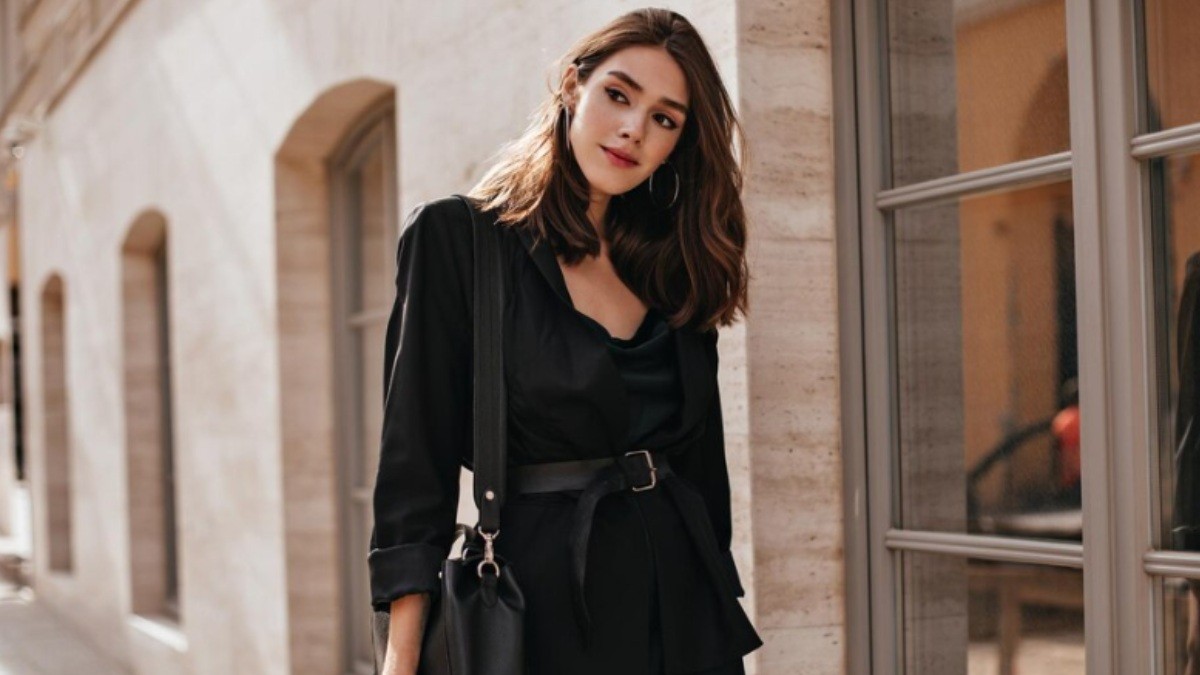
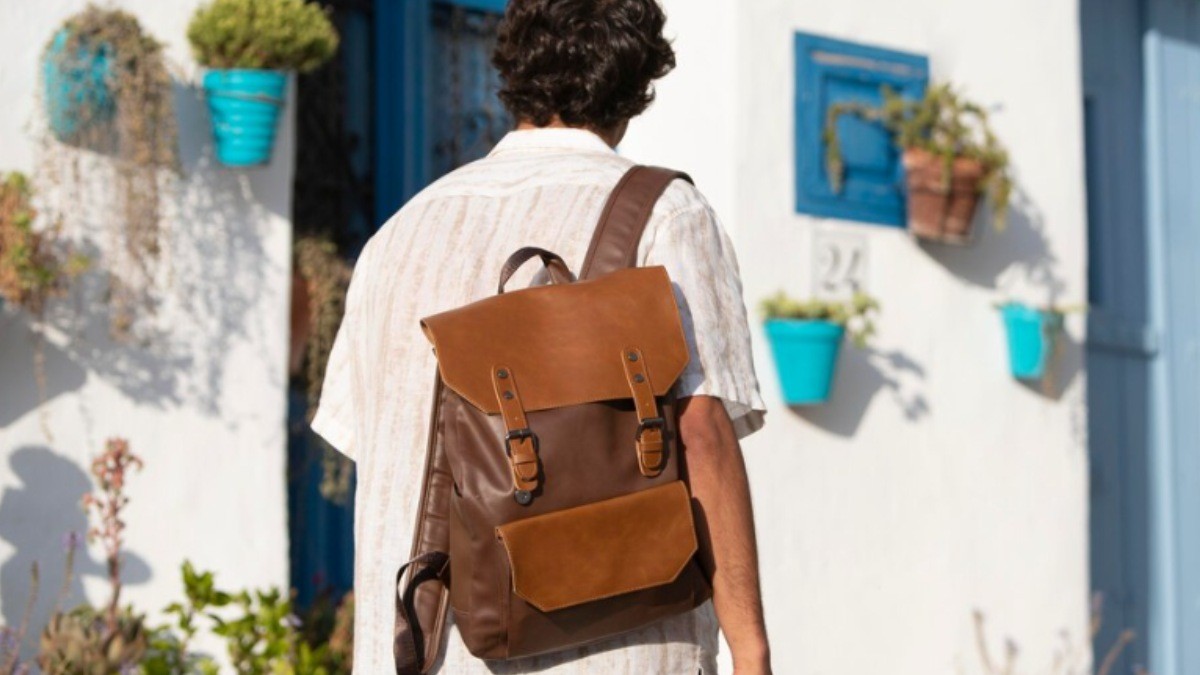
Punks often customised their own clothes rather than purchasing expensive fashionable pieces. Torn T-shirts, ripped jeans, leather jackets, chains and safety pins became recognisable elements of the aesthetic.
And in particular this DIY approach was key. Clothing didn’t have to be perfect or luxurious to be relevant. Personalisation and individuality were more important than fashion convention.
Vivienne Westwood and the fashion revolution
British designer Vivienne Westwood was a major force in bringing punk aesthetics into the fashion world. Her designs, created together with Malcolm McLaren, featured provocative graphics, bondage themes, tartan, corsetry and rebellious looks.
Related Articles
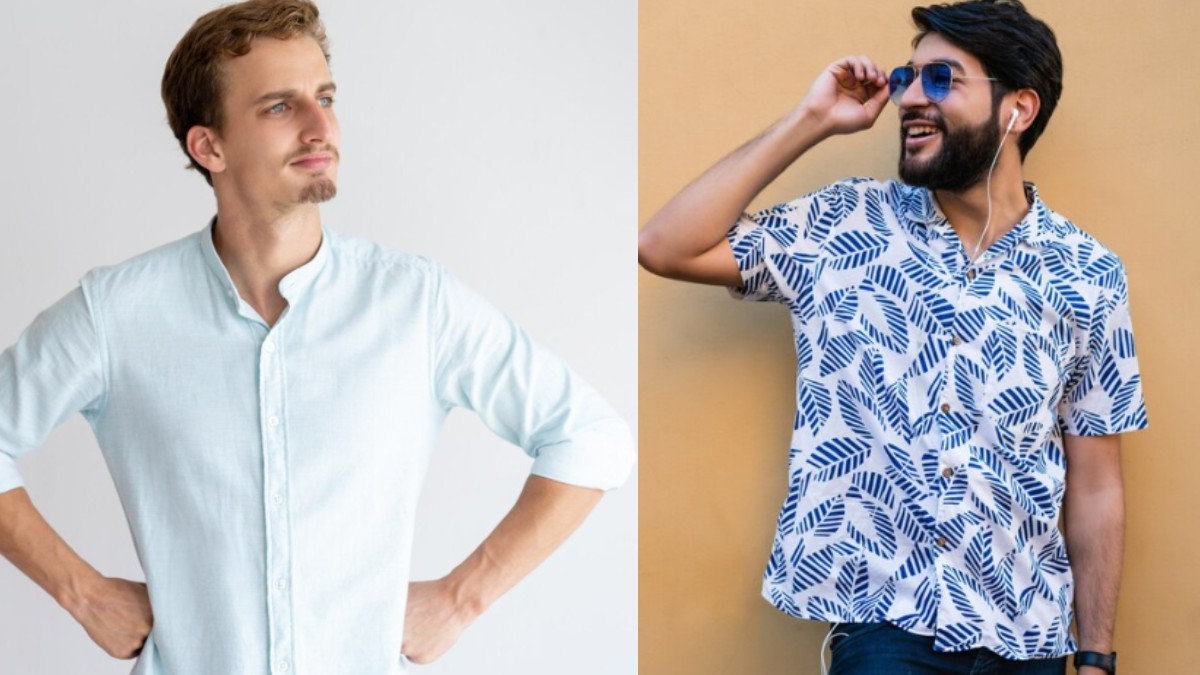
Westwood demonstrated that ideas associated with an underground subculture could impact high fashion. Her work helped establish punk not just as a music-related style but as a long-lasting fashion movement.
Punk enters mainstream fashion
Over time, designers began to incorporate punk-inspired details into commercial and luxury collections. Leather jackets, studded accessories, ripped denim, combat boots and graphic T-shirts became available to a much wider audience.
Fashion magazines, music videos and celebrities also sped up the trend. Elements once considered rebellious gradually became common wardrobe choices.
But mainstream adoption resulted in a contradiction at the heart of punk fashion. A style that has traditionally been associated with rejection of the commercial culture became commercially successful on the whole.
Punk’s influence today
The influence of punk is still visible in contemporary fashion. Designers continue to experiment with: “deconstruction, oversized silhouettes, distressed materials, metal details and bold prints.”
That aesthetic has evolved too. Modern interpretations can integrate punk-inspired clothes with tailored trousers, feminine dresses, minimal apparel or even luxury accessories. It allows people to combine rebellion with a punk look without having to be completely punk.
Social media has further encouraged the DIY attitude of punk. Fashion and fashion trends that use custom-made clothes, upcycling old pieces and creating an individual style have become popular alternatives for younger consumers to the mass-produced fashion.
More than a fashion trend
Punk’s influence extends beyond clothes. Perhaps its greatest contribution to mainstream fashion is the idea that ‘personal style can challenge convention.’
From ripped jeans to leather jackets and statement accessories that were once seen as rebellion are now everyday fashion staples. Punk culture proved fashion could be provocative, political and deeply personal and has influenced fashion in so many ways now, and it’s shaped people’s dress and expression today.



Comments 0