
Hair fall can be frustrating, especially when you start noticing more strands on your pillow, comb or bathroom floor. With countless salon treatments promising stronger and healthier hair, hair spa has become a popular choice for people looking to improve their hair health. But can a hair spa actually stop hair fall? Celebrity hairstylist Amit Thakur, who has worked with prominent personalities including Nita Ambani and Alia Bhatt, has shared insights into the role of hair spa and why understanding the cause of hair fall is important.
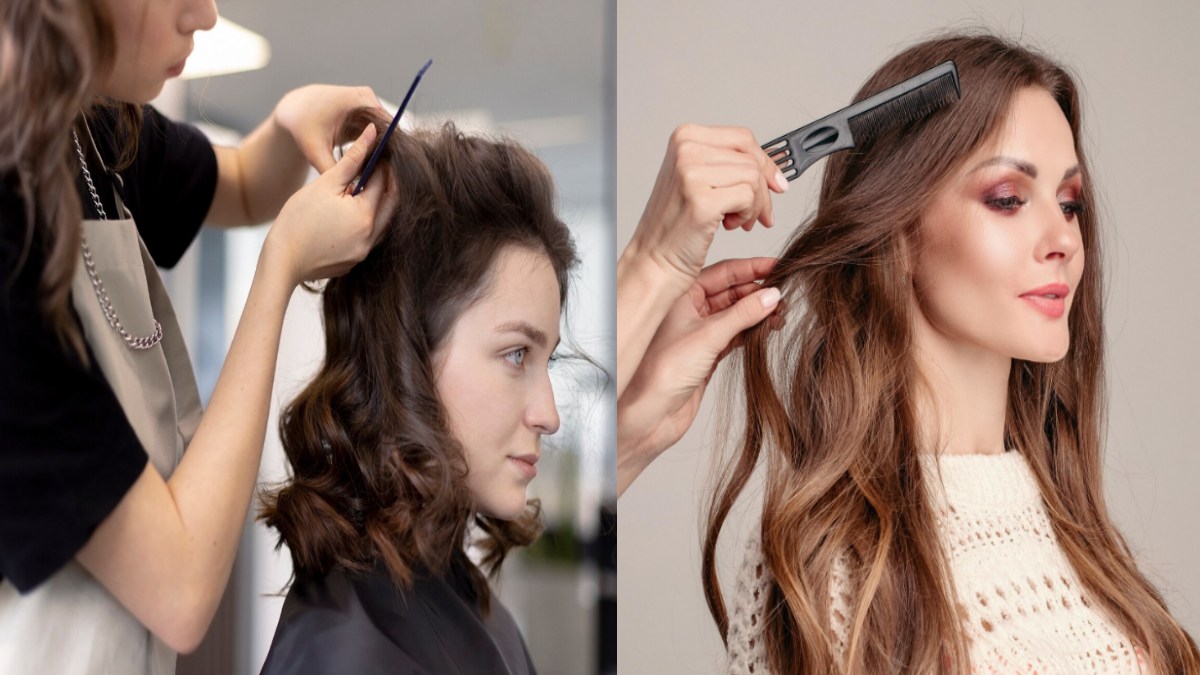
A hair spa is generally a conditioning and grooming treatment designed to improve the appearance and feel of the hair. Depending on the salon and treatment, it may include hair cleansing, a conditioning mask, scalp massage, steaming and washing. These steps can leave the hair feeling softer, smoother and more manageable.
However, there is an important distinction between improving the condition of the hair and treating hair loss from the roots.
Related Articles
Does hair spa really reduce hair fall
A hair spa may help with hair breakage, particularly when the hair is dry, rough or damaged. Conditioning treatments can improve the feel and manageability of the hair, making strands less prone to tangling and mechanical damage.
But hair shedding can have many different causes, and a salon spa cannot be considered a universal treatment for hair loss. Excessive shedding may be associated with stress, hormonal changes, nutritional deficiencies, illness, certain medications, postpartum changes or genetic factors.
Therefore, if hair is falling from the roots because of an underlying health or scalp issue, repeatedly booking a hair spa is unlikely to address the actual cause.
Related Articles
Why does hair look healthier after a spa
The immediate transformation after a hair spa is one reason these treatments are so popular. Conditioning products can coat the hair shaft and temporarily improve smoothness, shine and softness. Hair may also become easier to detangle and style.
This can make hair appear fuller and healthier, even though the treatment has not necessarily changed the rate at which new hair grows.
Scalp massage can also make the experience relaxing. However, people experiencing significant hair loss should avoid aggressive rubbing, excessive pulling or rough handling of fragile strands.
Hair breakage versus hair shedding
Understanding the difference between breakage and shedding is important.
When a strand breaks along its length, it may leave shorter pieces of hair and create the appearance of increased hair fall. Frequent heat styling, chemical treatments, tight hairstyles, bleaching and rough brushing can contribute to breakage.
Hair shedding, on the other hand, involves hair naturally coming out from the follicle. Persistent or excessive shedding can have an underlying cause that requires proper evaluation.
A conditioning-focused hair spa may be useful for damaged hair, but it should not replace professional assessment when there is ongoing or severe hair loss.
How can you take better care of your hair
A consistent home-care routine can be just as important as occasional salon treatments. Use a shampoo appropriate for your scalp and avoid washing with excessively hot water. Conditioner can help reduce friction and make hair easier to manage.
Try to limit excessive heat from straighteners, curling irons and blow dryers. If you regularly colour, bleach or chemically treat your hair, give it adequate time to recover and use products designed for treated hair.
Avoid hairstyles that continuously pull tightly on the roots. Tight ponytails, buns and braids may contribute to traction-related hair loss when worn frequently.
Nutrition also matters. Hair growth requires adequate protein and essential nutrients. A balanced diet containing protein-rich foods, vegetables, fruits, whole grains and other nutrient-dense foods supports overall health. However, taking hair supplements without identifying a deficiency is not always necessary or beneficial.
When should you see a dermatologist
If hair fall suddenly increases or continues for several weeks or months, it is worth consulting a dermatologist. Visible thinning, widening of the hair part, bald patches, scalp inflammation or significant changes in hair density should not simply be attributed to dry hair.
A medical professional can examine the scalp and determine whether additional evaluation is needed.
Hair spa can certainly have a place in a beauty routine. It can provide conditioning, improve manageability and give dry or damaged hair a smoother, shinier appearance. However, it should not be viewed as a guaranteed cure for hair fall.
The key takeaway from Amit Thakur's perspective is that beautiful hair requires more than a salon treatment. Understanding the difference between breakage and true hair shedding, following gentle hair-care practices and addressing possible underlying causes are far more important for long-term hair health.
So, enjoy a hair spa for its conditioning and pampering benefits, but if you are experiencing persistent or excessive hair fall, focus on finding the reason behind it rather than relying solely on salon treatments.




Comments 0