
Fashion is much more than clothing. Throughout history, what people wore has reflected social status, cultural values, wealth, occupation, technology and changing ideas about identity. Western fashion has undergone remarkable transformations over centuries, moving from practical garments and elaborate social dress to today's diverse and rapidly changing styles.
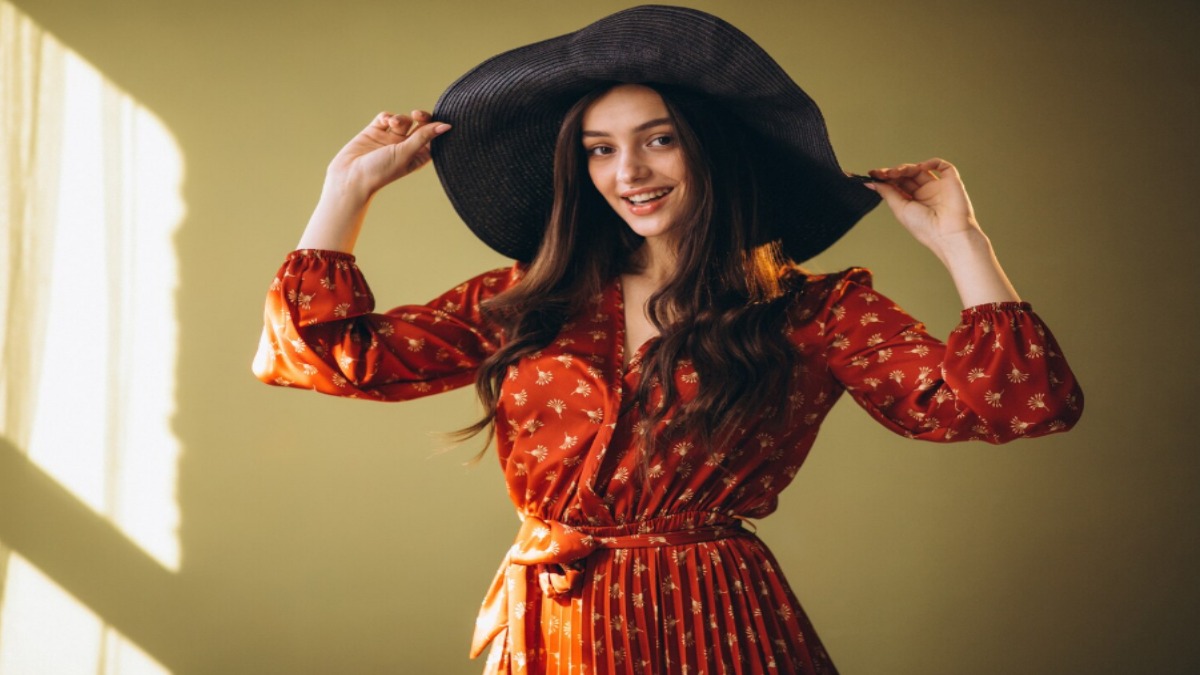
From ancient civilisations to contemporary streetwear, the history of Western fashion provides a fascinating look at how society itself has evolved.
Ancient Foundations of Western Fashion
The story of Western fashion can be traced to ancient civilisations, particularly Greece and Rome. Ancient Greek clothing often consisted of draped garments such as the chiton and himation. These pieces were relatively simple in construction and relied on fabric arrangement rather than complex tailoring.
Related Articles

Roman clothing developed its own distinctive styles. The toga became strongly associated with Roman citizenship and social identity, while tunics were worn by people across different sections of society.
Materials, colours and decoration could communicate social position. Wealthier people generally had greater access to fine textiles, dyes and elaborate embellishments.
Medieval Fashion
During the Middle Ages, European clothing became increasingly structured. Clothing styles varied significantly according to geography, social class and period.
Related Articles

The rise of tailoring allowed garments to fit the body more closely. Nobility could display wealth through luxurious fabrics, embroidery, fur and elaborate accessories, while laws in some European societies attempted to restrict certain luxury materials to specific social groups.
Women's clothing often featured layered garments, while men's fashion evolved to include tunics, hose and increasingly fitted garments.
The Renaissance and the Rise of Luxury
The Renaissance brought major changes to European art, culture and fashion. From approximately the 14th to 17th centuries, clothing became increasingly elaborate among wealthy Europeans.
Rich textiles such as silk and velvet were highly valued. Structured silhouettes, detailed embroidery, decorative sleeves and elaborate headwear became prominent.
Fashion also became closely connected to royal courts. What influential figures wore could inspire trends among other members of society who had the means to imitate them.
Fashion in the 17th and 18th Centuries
The 17th century saw the development of increasingly sophisticated court fashion. In France, the royal court at Versailles became a major influence on European style.
During the 18th century, women's fashion included elaborate gowns, corsets and wide skirts supported by various structures. Men's clothing commonly consisted of coats, waistcoats, breeches, shirts and stockings.
The clothing of the wealthy could be highly decorative, reflecting the importance of social status and court culture.
The Industrial Revolution Changes Fashion
The Industrial Revolution dramatically transformed the fashion industry during the 18th and 19th centuries.
Mechanised textile production made fabrics more widely available, while innovations such as the sewing machine increased the speed and efficiency of garment production. The growth of factories and expanding urban populations contributed to the development of ready-to-wear clothing.
Fashion magazines and improved printing technology also helped trends spread more quickly.
Victorian Fashion
The Victorian era of the 19th century became famous for its distinctive silhouettes and formal clothing. Women's fashion changed significantly throughout Queen Victoria's reign, moving through styles that included large sleeves, fitted bodices, crinolines and later bustles.
Men commonly wore tailored suits, waistcoats, trousers and formal accessories. The modern suit gradually became an important part of men's Western wardrobes.
Social expectations strongly influenced clothing during this period, with different garments considered appropriate for particular occasions and social settings.
Fashion in the Early 20th Century
The 20th century brought faster and more dramatic changes. Women's clothing became less restrictive, particularly after the First World War.
The 1920s introduced the famous flapper silhouette, with shorter hemlines and looser dresses representing a changing social atmosphere. The 1930s and 1940s brought different influences, including more structured tailoring and practical clothing during wartime.
After the Second World War, fashion entered another transformative period.
The 1960s and 1970s: Youth Culture Takes Over
The 1960s saw young people become an increasingly powerful force in fashion. Mini skirts, bold prints, new synthetic materials and youthful silhouettes challenged traditional ideas of dress.
The 1970s embraced a wide variety of styles, including bell-bottom trousers, platform shoes, bohemian clothing and punk influences toward the end of the decade.
Music and popular culture increasingly influenced what people wore.
Fashion From the 1980s to the 2000s
The 1980s were known for bold silhouettes, strong shoulders, vibrant colours and statement accessories. Power dressing became particularly associated with professional women's fashion.
In the 1990s, minimalism, denim, casualwear and alternative subcultures became influential. By the 2000s, global celebrity culture, fast fashion and the internet began accelerating the spread of trends.
People could increasingly discover and adopt styles from around the world almost instantly.
Western Fashion Today
Modern Western fashion is highly diverse. Traditional distinctions between formal and casual clothing have become less rigid, while streetwear, sportswear, vintage fashion and luxury clothing frequently overlap.
Social media has dramatically changed how trends emerge and spread. Influencers, celebrities, designers and consumers can all contribute to fashion conversations.
Sustainability has also become an increasingly important topic. Concerns about textile waste, environmental impact and working conditions have encouraged greater interest in second-hand clothing, slow fashion, ethical production and responsible consumption.
The Continuing Evolution of Fashion
The history of Western fashion shows that clothing is constantly changing in response to society. Political events, technological innovations, economic conditions, entertainment, social movements and individual creativity have all influenced what people wear.
Today's fashion is also more interconnected than ever. While the term "Western fashion" describes a historical tradition, contemporary style is shaped by cultural exchange across the world.
From ancient draped garments to digitally influenced streetwear, fashion continues to evolve. What people wear remains a powerful form of self-expression and a visual record of the times in which they live.




Comments 0