
Fashion is always conditioned by movement. People who migrate from one place to another will bring their clothing traditions, textiles, colours, craftsmanship and ideas with them. In time these influences may be incorporated into new communities and bring new changes to fashion.
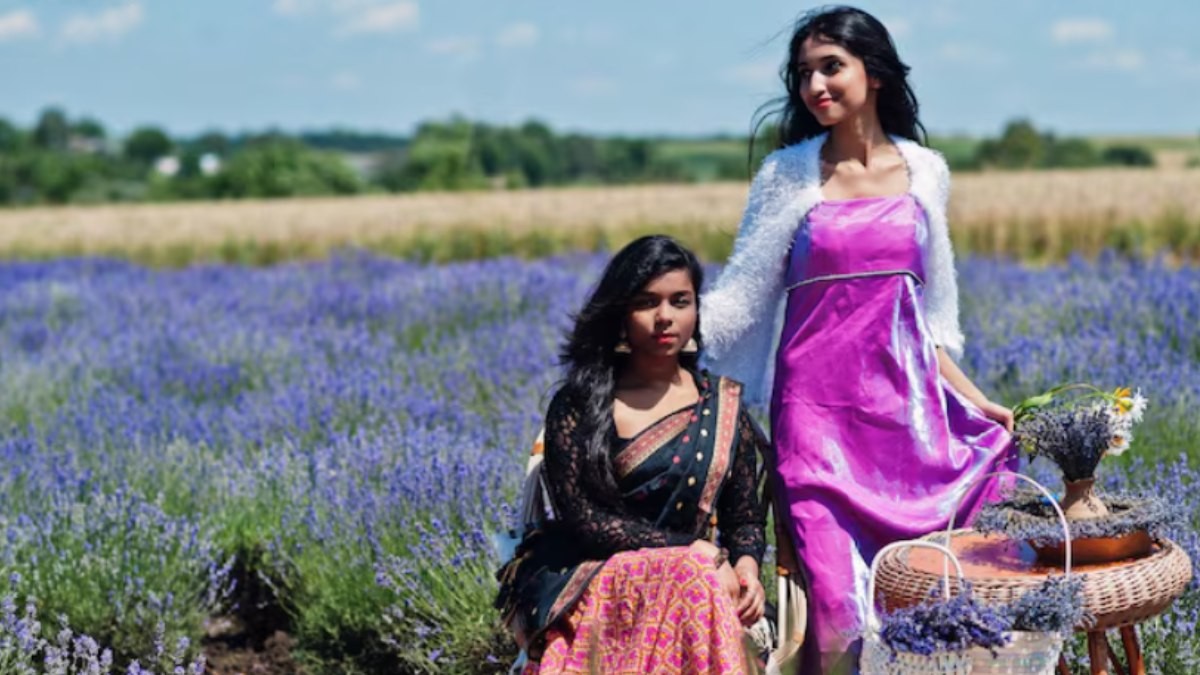
Migration has played a big role in the way people dress today from traditional embroidery appearing in modern clothes to global cities becoming centres of cultural fashion.
Migration Brings Different Fashion Traditions Together
Migration has brought together many cultures. When people move to a new place they tend to bring back familiar attire, scarves, jewellery, embroidery techniques and patterns.
Related Articles

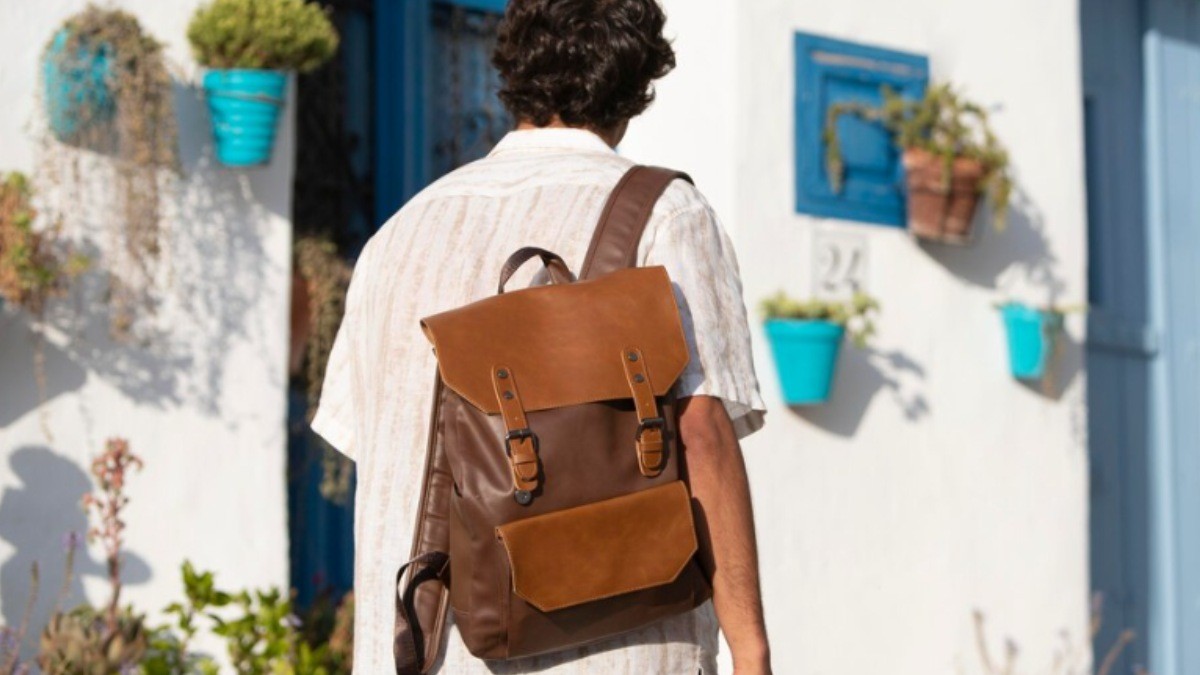
When the two are together in local fashion, designers and consumers can experiment with new combinations. A traditional textile can be used in a modern jacket, but a familiar silhouette can be changed for modern lifestyles.
Cultural Exchange Inspires Designers
Migration opens the door to cultural exchange. Designers exposed to diverse communities find new fabrics in the world and new techniques and ways of making things.
Many fashion concepts that look so modern may be rooted in older traditions from different parts of the world. Migration helps these traditions to transcend their geographical borders and be part of larger fashion conversations.
Related Articles

Cultural influences should be treated with respect. Acknowledging the communities’ contributions to traditional designs and the history behind them will help avoid cultural appropriation.
Cities Become Fashion Melting Pots
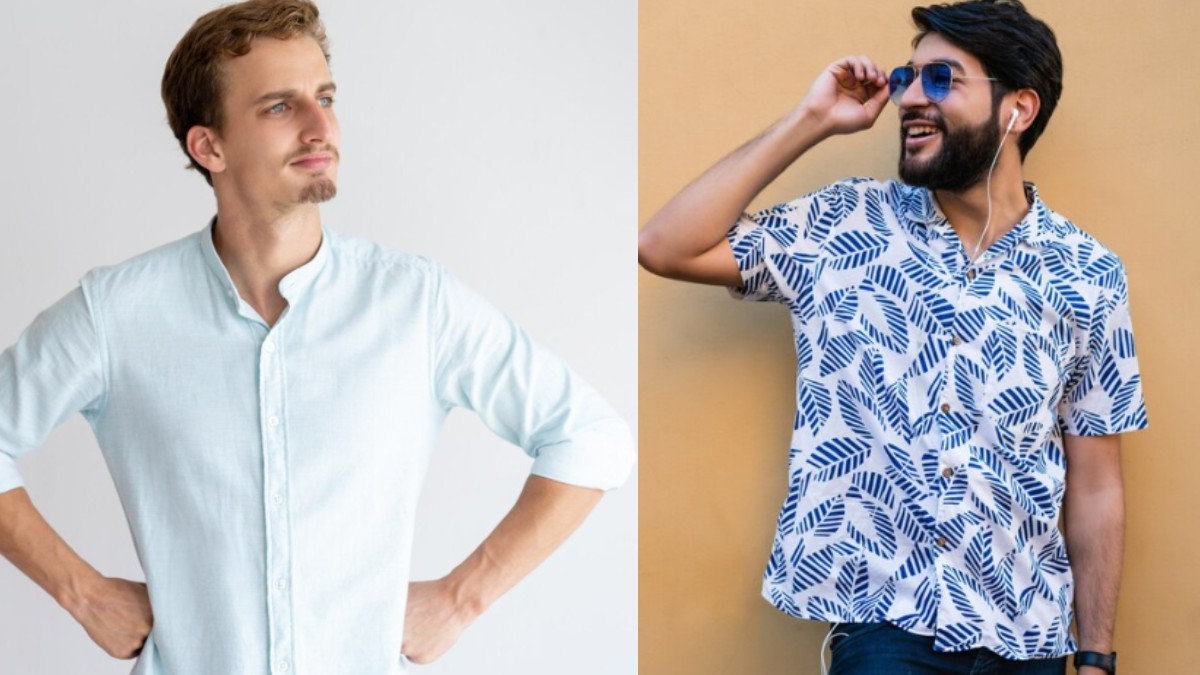
Large cities often bring together many people from different backgrounds. London, New York, Paris, Mumbai and Dubai have diverse populations and, therefore, with different styles we see them in our lives every day.
As such, street fashion is particularly influenced by this diversity. Folks might wear jeans, sneakers, jackets or other contemporary accessories. Such everyday combinations can influence designers, retailers and wider fashion trends.
Migration Keeps Traditional Crafts Alive
Migration can also help preserve traditional craftsmanship. Immigrant communities may continue to make and wear traditional clothing in their new homes. Some craftspeople also introduce their skills to new markets.
Embroidery, weaving, printing, beadwork and hand-dyeing techniques might appeal to new and different audiences when they travel across borders. That can be good for artisans as well as for the olds.
Fashion Creates a Sense of Identity
For migrants, clothing is more than a fashion choice. It can connect them to their family, culture and place of origin.
Festivals, weddings, and cultural events can all take place in traditional attire. Young people, however, can also mix old and new culture to create a personal identity that is rooted in the past and at the same time a modern one.
Social Media Has Expanded Cultural Influence
Digital platforms have made fashion influences easier to travel. A traditional style of a migrant population can be seen by audiences around the world through photographs, videos, and fashion content.
That has given designers and cultural styles more visibility that might have been limited to particular communities.
The Future of Fashion and Migration
Migration will continue to influence fashion as people move, communicate and exchange ideas across borders. So it’s likely an increasingly diverse fashion landscape in which traditional craftsmanship and modern design collide.
When it comes to migration, then fashion is not fixed. It changes when people, culture and ideas come together.




Comments 0