
Choosing a watch is about more than picking a design you like. A beautiful timepiece can look surprisingly awkward if its proportions don't complement your wrist. The dial may be too large, the strap too wide or the case too thick, making the watch overpower your outfit rather than complete it.
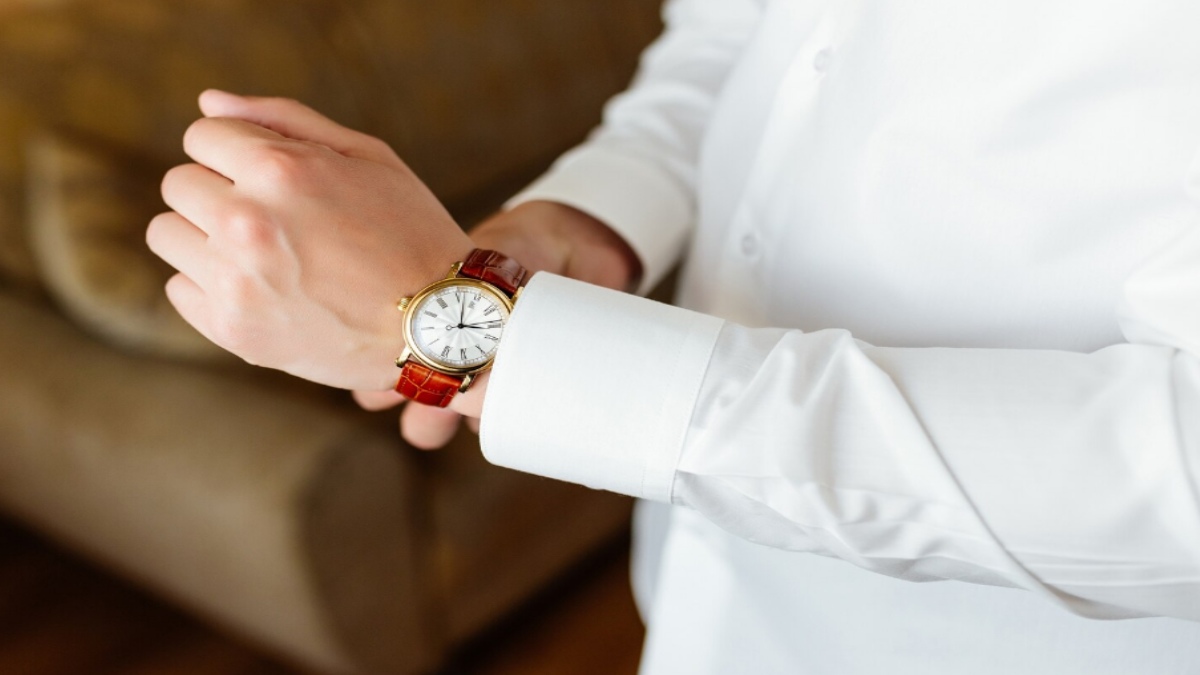
On the other hand, a well-proportioned watch can instantly make your look appear more polished. Whether you're dressing for work, a wedding, a casual lunch or an evening event, understanding your wrist size can make choosing the right watch much easier.
Why Wrist Size Matters When Choosing a Watch
The size of your wrist determines how a watch sits on your arm. A large case on a slim wrist can extend beyond the edges of the wrist and look bulky. Similarly, a very small watch on a broad wrist may appear out of proportion.
Related Articles
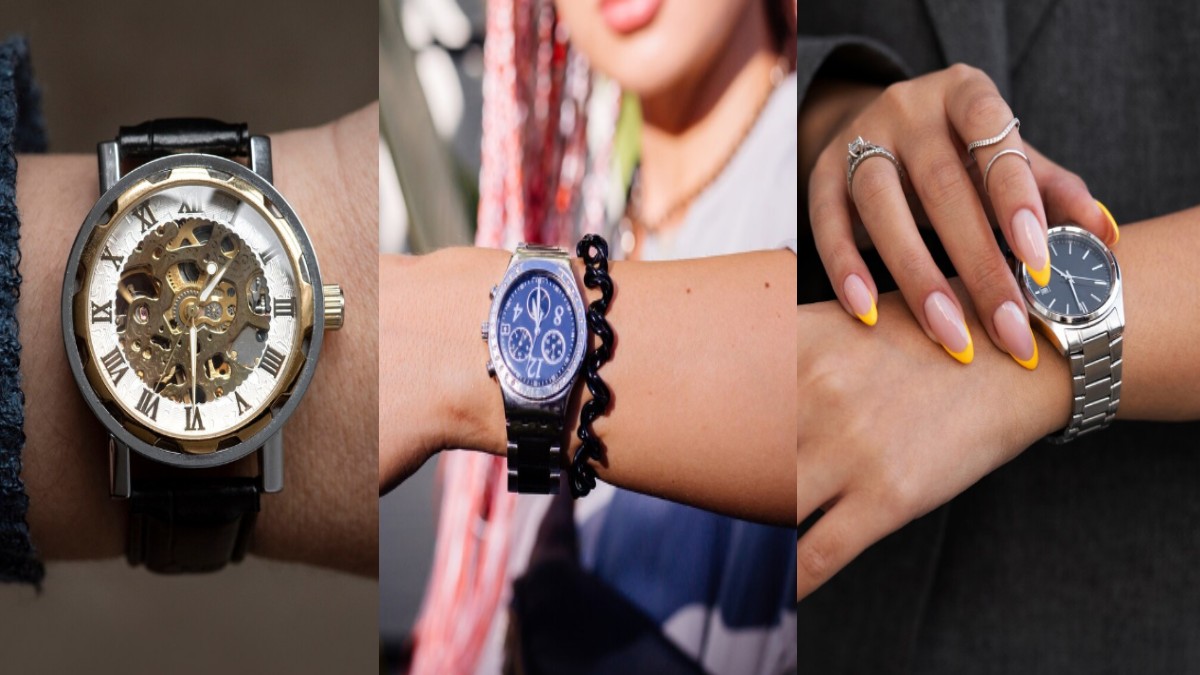

The goal isn't necessarily to follow a rigid rule. Personal style matters, too. However, understanding basic proportions gives you a useful starting point when shopping for a new timepiece.
Before buying a watch, measure your wrist using a flexible measuring tape. Wrap it around the area where you normally wear your watch and note the circumference.
Watch Sizes for Small Wrists
If you have a relatively slim wrist, smaller and medium-sized cases generally provide a balanced appearance. A case around 34mm to 40mm can work well, depending on the design and the shape of your wrist.
Related Articles


Don't look only at the diameter. Case thickness and the length from one lug to the other the lug-to-lug measurement can significantly affect how large the watch appears.
Slim watches with shorter lugs can be particularly flattering on smaller wrists because they sit neatly without extending too far across the wrist.
Medium Wrists Offer More Flexibility
People with medium-sized wrists have a wide range of options. Watches around 38mm to 42mm can often provide a versatile balance between presence and comfort.
This is where personal preference becomes especially important. If you prefer a classic, understated look, choose a thinner case with a moderate dial. If you like contemporary or sporty styling, a slightly larger case may work beautifully.
Larger Wrists Can Carry Bigger Cases
If you have a broader wrist, larger watches can create better visual balance. Cases around 42mm to 46mm may work well, depending on the overall design.
However, bigger isn't automatically better. An oversized watch can still look excessive if the case is extremely thick or the lugs extend beyond the wrist.
For sports watches and chronographs, larger dimensions can look intentional. For formal watches, a slimmer profile often creates a more elegant appearance even when worn on a larger wrist.
Don't Ignore Case Thickness
Case diameter gets most of the attention, but thickness is equally important.
A large, thick sports watch has a completely different visual impact from a large but slim dress watch. If you have a smaller wrist, a thin case can help a moderately sized dial look more refined.
A thinner watch can also slide more comfortably under a shirt cuff, making it particularly useful for office and formal dressing.
Strap Width Should Match the Case
Your strap should also be proportionate to the watch case.
A very wide strap attached to a small dial can make the watch appear visually heavy at the bottom. Conversely, a narrow strap on a large case may make the watch look unbalanced.
As a general styling principle, the strap width is often around half the case diameter. It doesn't have to be exact, but the relationship between the two should look harmonious.
Match the Watch to the Occasion
The right size also depends on where you're wearing the watch.
For formal occasions, a slim watch with a clean dial can complement a suit, saree, dress or other elegant outfit without competing with it. For everyday wear, you have more freedom to experiment with larger cases, textured straps and sporty designs.
If you're wearing a bold outfit, a minimalist watch can provide balance. If your clothes are understated, a distinctive timepiece can become the statement accessory.
Consider the Shape of the Dial
Round watches are the most versatile, but they're not your only option.
Square, rectangular and tonneau-shaped watches can create a sophisticated vintage-inspired appearance. Because their visual proportions differ from round watches, they should be judged by how they sit on your wrist rather than by diameter alone.
A rectangular watch can sometimes appear larger or more prominent than a round watch with a similar numerical measurement.
Try Before You Buy
Online measurements are useful, but nothing replaces trying a watch on your wrist when possible.
Look at the watch from different angles. Check whether the lugs stay within the width of your wrist and whether the strap sits comfortably. Move your wrist and make sure the case doesn't feel restrictive.
Most importantly, look at the watch with the kinds of clothes you normally wear. A timepiece should complement your wardrobe rather than simply look impressive on its own.
The perfect watch isn't necessarily the biggest, most expensive or most fashionable model. It's the one whose proportions work with your wrist, wardrobe and personal style.
Pay attention to case diameter, lug-to-lug length, thickness, strap width and dial design. Once you understand these details, choosing a watch becomes much easier.
After all, a great outfit is about balance. The right watch should finish your look not fight for attention from it.




Comments 0