
In today's fast-paced world, maintaining a healthy balance between physical fitness and mental wellbeing can be challenging. Long working hours, sedentary lifestyles, constant screen use, poor sleep and everyday stress can affect both the body and mind. Yoga offers a simple way to incorporate movement, breathing and mindfulness into everyday life.
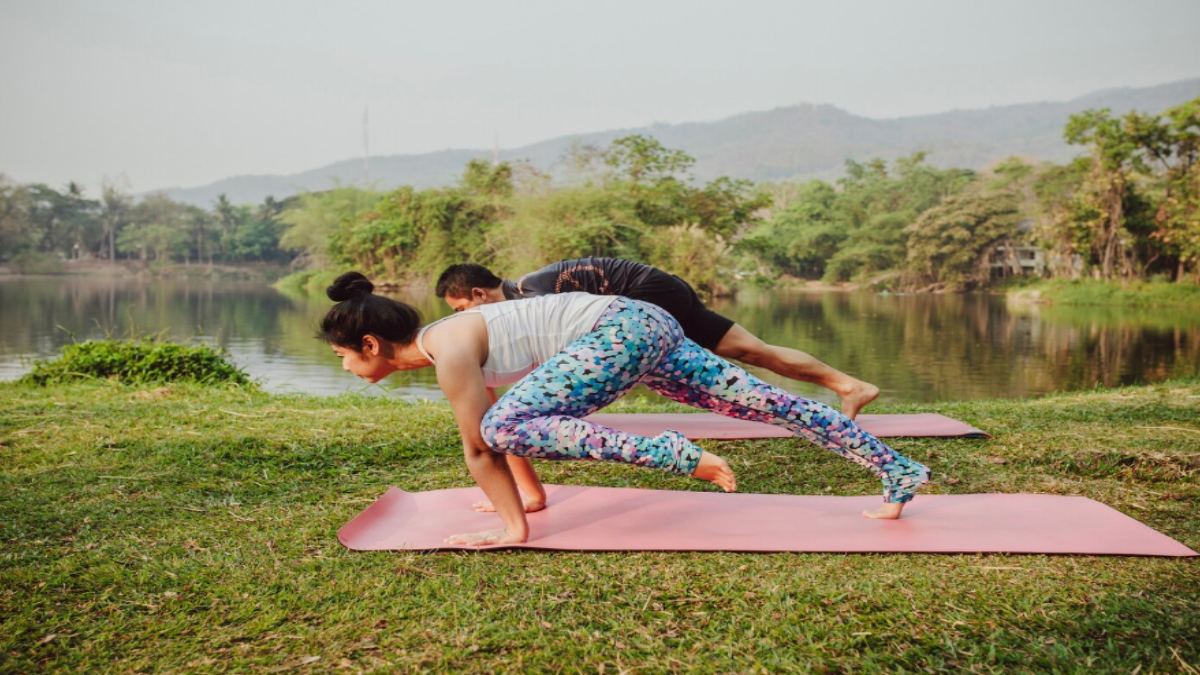
Originating in ancient India, yoga has evolved into a widely practised approach to physical and mental wellbeing. It combines physical postures, breathing techniques and, in many traditions, meditation and relaxation. Regular practice can support flexibility, strength, balance and stress management while encouraging greater awareness of the body.
Yoga does not have to mean spending hours on a mat. Even a short, consistent practice can become a valuable part of a healthy lifestyle.
Related Articles


Yoga Supports Physical Flexibility
One of the most recognised benefits of yoga is improved flexibility. Many yoga postures involve gently stretching different muscle groups and moving joints through a range of motion.
People who spend much of the day sitting may particularly benefit from incorporating regular movement into their routine. Gentle stretches can help counter some of the stiffness associated with prolonged inactivity.
Flexibility generally develops gradually, so beginners should avoid forcing themselves into advanced positions. Yoga should feel controlled and comfortable rather than painful.
Related Articles


It Can Help Build Strength
Yoga is not only about stretching. Many postures require you to support your body weight, helping develop strength and muscular endurance.
Positions such as plank, chair pose and warrior variations engage different muscle groups. Consistent practice can complement other forms of exercise, including walking, strength training and cardiovascular workouts.
The intensity of yoga varies considerably, so beginners can start with accessible routines and gradually progress.
Yoga Encourages Better Balance
Balance can become increasingly important as people age, but it is useful at every stage of life. Standing yoga postures challenge stability and body awareness.
Practising balance-focused poses can encourage concentration while strengthening muscles involved in maintaining stability. Beginners can practise near a wall or another stable support if needed.
Yoga Can Help Manage Stress
The mental benefits of yoga are an important reason many people include it in their routines. Combining controlled movement with conscious breathing can create an opportunity to slow down and focus on the present moment.
Regular physical activity in general can support mental wellbeing, while relaxation and breathing practices may help people manage everyday stress.
A few minutes of quiet breathing after a busy day can also provide a useful transition between work and personal time.
Breathing Is an Important Part of Yoga
Yoga places considerable emphasis on conscious breathing. Learning to pay attention to the breath can encourage a calmer and more focused practice.
Different yoga traditions teach various breathing techniques, and some may not be suitable for everyone. Beginners should learn unfamiliar techniques from a qualified instructor, particularly if they have an underlying health condition.
Simple, comfortable breathing awareness can be a good starting point.
Yoga May Support Better Sleep
A relaxing yoga routine may help create a calming bedtime ritual. Gentle stretching and slow breathing can help people transition away from the stimulation of work, screens and daily responsibilities.
Yoga should not be viewed as a guaranteed treatment for insomnia, but incorporating relaxation practices into a consistent evening routine may support overall sleep habits.
If persistent sleep problems affect daily life, it is important to discuss them with a healthcare professional.
It Encourages Mind-Body Awareness
One distinctive feature of yoga is its emphasis on paying attention to how the body feels. Instead of simply completing repetitions, practitioners are encouraged to notice posture, breathing, balance and physical sensations.
This awareness can help people recognise tension, fatigue and discomfort earlier. It may also encourage a more mindful approach to other lifestyle habits, including movement, eating and rest.
Yoga Can Complement Other Exercise
Yoga does not need to replace other forms of physical activity. It can complement walking, swimming, cycling, dancing, resistance training and other exercises.
For example, someone who enjoys strength training might use gentle yoga for mobility, while a runner may incorporate stretching and balance work into their weekly routine.
A well-rounded fitness routine generally includes different types of movement rather than relying on a single activity.
How to Make Yoga Part of Daily Life
Consistency is more important than trying to complete an ambitious routine occasionally. Beginners can start with 10 to 15 minutes several times a week and gradually increase the duration if it feels comfortable.
Choose a time that fits naturally into your schedule. Some people prefer yoga in the morning to begin the day with movement, while others enjoy an evening session to unwind.
A quiet space, comfortable clothing and a suitable yoga mat may be all you need to begin.
Practise Safely
Yoga is generally adaptable, but some poses can cause injury when performed incorrectly or pushed beyond a person's current ability. Beginners should learn proper technique and avoid comparing their flexibility with others.
Anyone with an injury, pregnancy, significant medical condition or concerns about starting exercise should seek appropriate professional guidance before beginning a new yoga routine.
Pain is not a requirement for an effective yoga practice. Modify or stop a movement if it causes sharp or significant discomfort.
The Bigger Role of Yoga in a Healthy Lifestyle
The importance of yoga extends beyond individual poses. Its combination of movement, breathing and mindfulness can encourage people to pay greater attention to their physical and mental wellbeing.
Regular practice may support flexibility, strength, balance, relaxation and body awareness, while providing a valuable break from the demands of everyday life.
Yoga is not a substitute for medical treatment or a balanced lifestyle, but it can be one useful component of overall wellbeing. Whether you practise for 10 minutes or attend a longer class, the most meaningful benefits often come from making movement and mindful breathing a consistent part of your routine.




Comments 0