
Fashion and entertainment have always been in close proximity. In films and television shows, clothing is seldom just something characters wear. Costumes communicate personality, social status, a time period and, of course, can influence how audiences perceive a character. Fashion has become a central component of visual storytelling—from glamorous movie wardrobes to instantly recognizable TV looks.
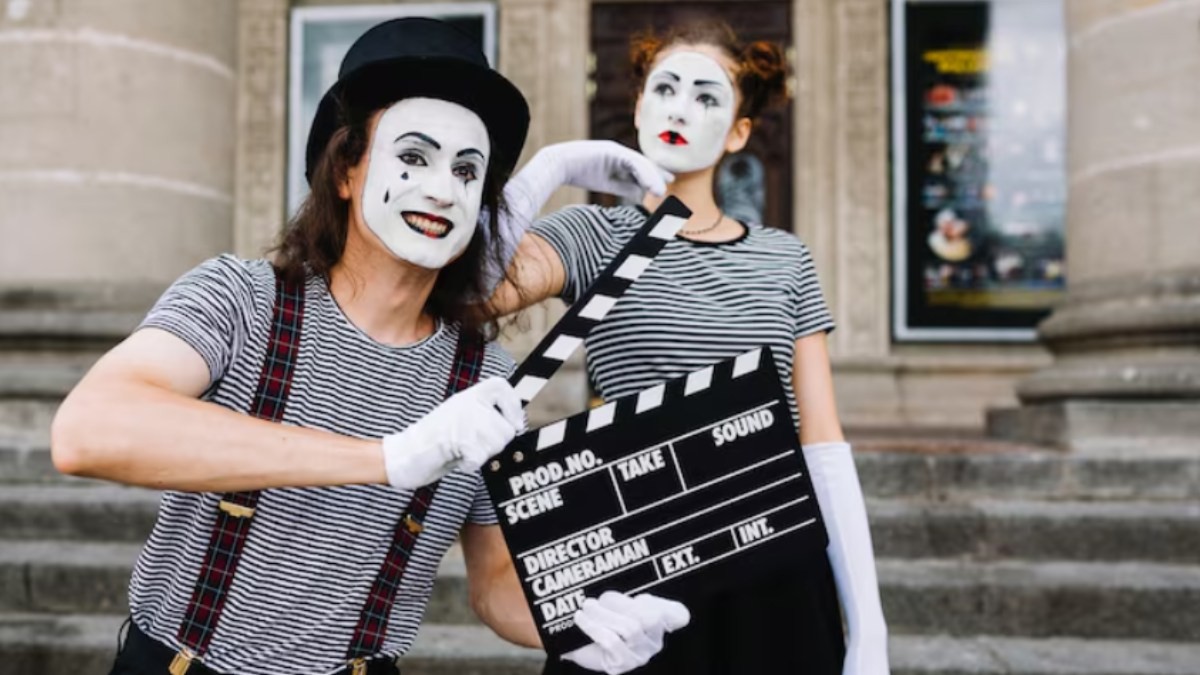
Costumes Help Define Characters
A character’s clothing can convey a lot before the character even speaks. A well-designed costume can tell us whether someone is confident, reserved, rebellious, rich or traditional.
Designers of costumes are concerned with colour, fabrics, silhouettes, accessories and styling to create an appearance that speaks to the character. Fashion changes in the course of the story are also subject to personality change or situation change.
Related Articles
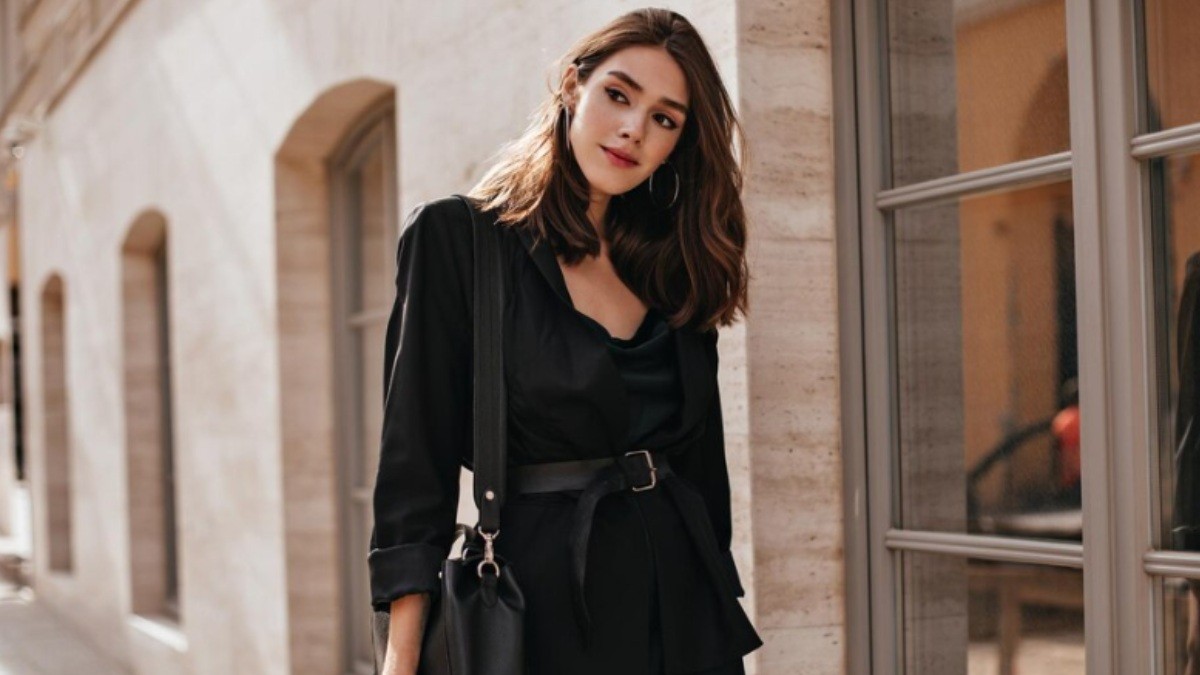
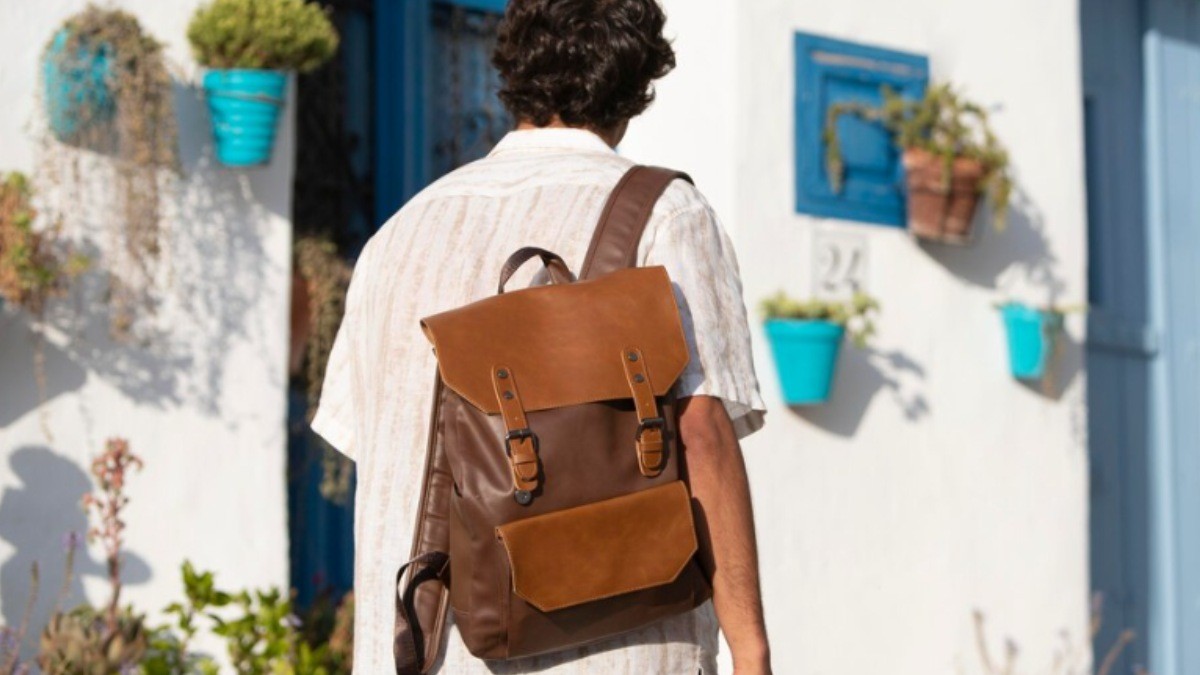
Fashion Establishes Time and Place
Historical dramas rely heavily on costumes to recreate a period. Clothing styles can help the audience understand whether a story is based in the past, present or future.
Fashion can also establish geographical and cultural settings. Old clothing, local fabrics and stylistic choices can create a sense of place and help create a visual identity for the production.
Clothing Can Support Storytelling
Fashion can be woven in with the storyline. A character can change their clothes after changing their life so drastically, or new career or new social environment.
Related Articles
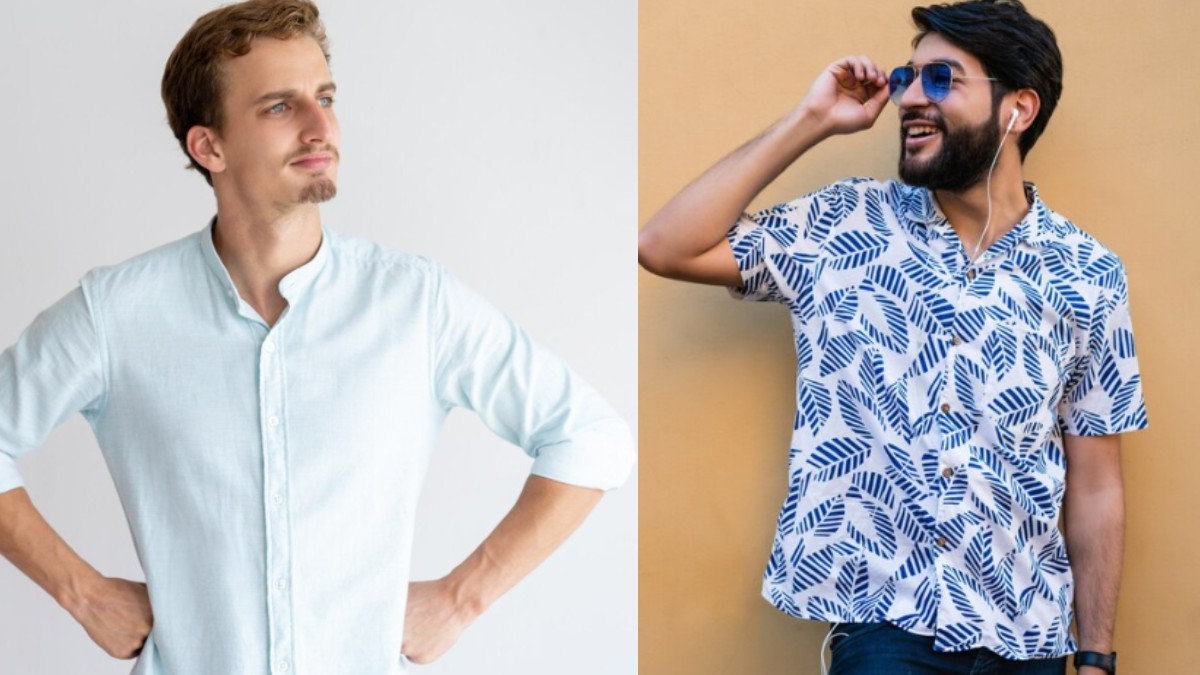
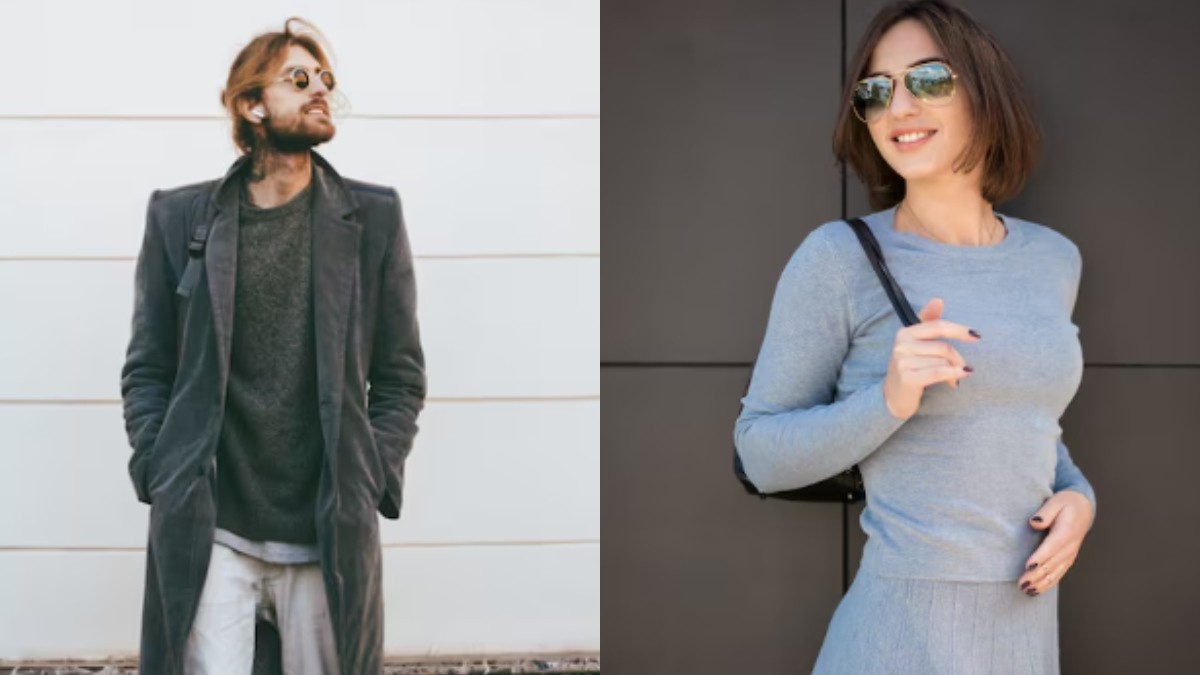
A memorable outfit can also be associated with an important scene. In this way, costumes can reinforce emotions and themes without lengthy dialogue.
The Influence of Celebrity Fashion
Actors often become fashion influences through the characters they portray. When a particular outfit catches the attention of its audience, it can cause viewers to recreate the same look.
Film and television have historically helped popularise hairstyles, accessories, colours and clothing trends. Social media can accelerate that process today, and audiences can discuss and recreate screen-inspired fashion almost instantly.
Fashion in Indian Cinema and Television
Indian cinema has so many examples of how fashion and storytelling are linked. Costumes in the Bollywood and regional film industries are a representation of the characters, the culture and social attitudes.
Traditional clothing like sarees, lehengas, sherwanis and regional wear is commonly associated with modern fashion, as is contemporary clothing. A character's attire can help to distinguish their background from the rest in a movie and also make it all the more effective in the visual aspect of a film.
Television serials have also influenced everyday fashion with their character styling and festive clothing.
Costume Designers Behind the Scenes
And while actors are often celebrated for their appearance on screen, costume designers are also critical to the making of those looks. They study the script, the time period, characters and setting first and research them to select the proper clothing and accessories.
Designers may work closely with directors, production designers, makeup artists and actors to ensure that costumes fit the overall visual language of the production.
When Screen Fashion Becomes Culture
Some costumes are associated with certain characters and productions. We’re going to remember a movie for its story but also because of an iconic dress, suit, hairstyle or accessory.
This proves the long-lasting relationship between entertainment and fashion. A costume created for a fictional world can eventually influence real-world style.
Fashion as Visual Storytelling
Fashion is another way that filmmakers and TV creators can express themselves to audiences. It can give context, indicate character development and set up an emotional feel to a scene.
As entertainment continues to evolve, costume design is still an essential creative aspect of the creative process. The right outfit can bring to life characters and in some cases become a stylish look even after the credits roll.




Comments 0