
Luxury fashion has traditionally been associated with exclusivity, craftsmanship, personalised service and memorable in-store experiences. For decades, flagship boutiques, private appointments and carefully curated collections helped luxury brands create an atmosphere that ordinary retail could not easily replicate. Today, however, the luxury fashion experience is increasingly extending into the digital world.

From sophisticated websites and social media storytelling to virtual showrooms, personalised recommendations and immersive technologies, digital platforms are changing the way consumers discover, evaluate and purchase high-end fashion. The challenge for luxury brands is to embrace technology without losing the sense of exclusivity and human connection that defines luxury.
The Digital Transformation of Luxury Fashion
Luxury fashion brands once approached online shopping cautiously. Many consumers believed that expensive clothing, jewellery and accessories needed to be seen and experienced physically before purchase.
Related Articles
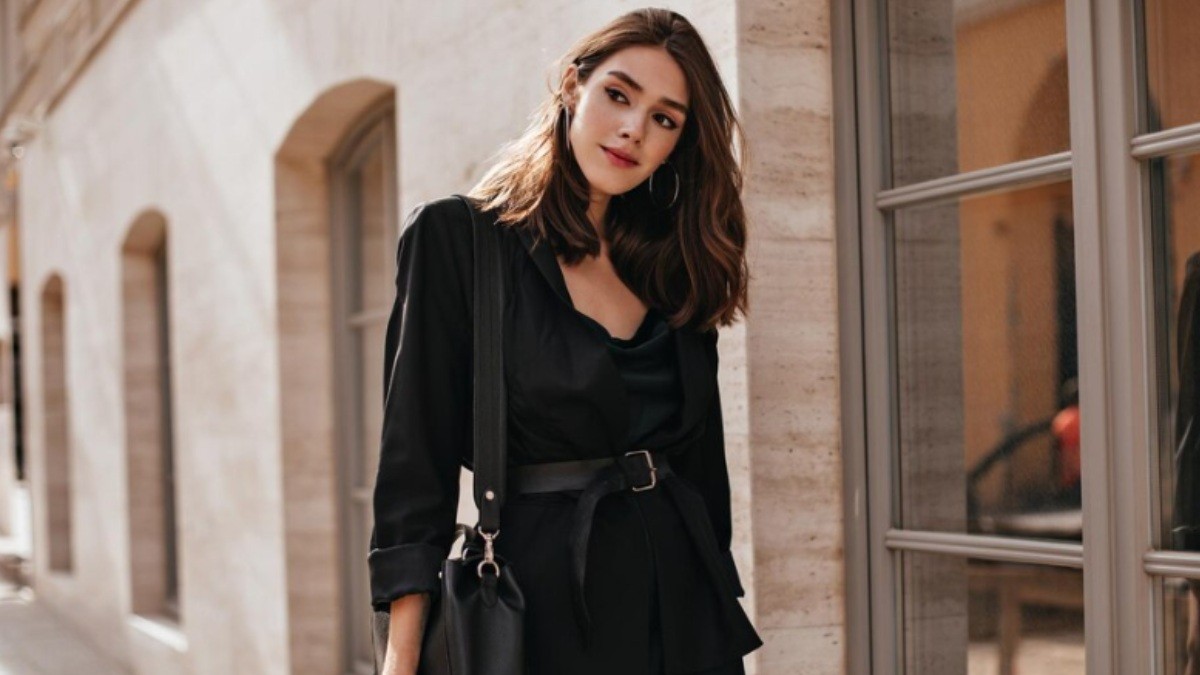
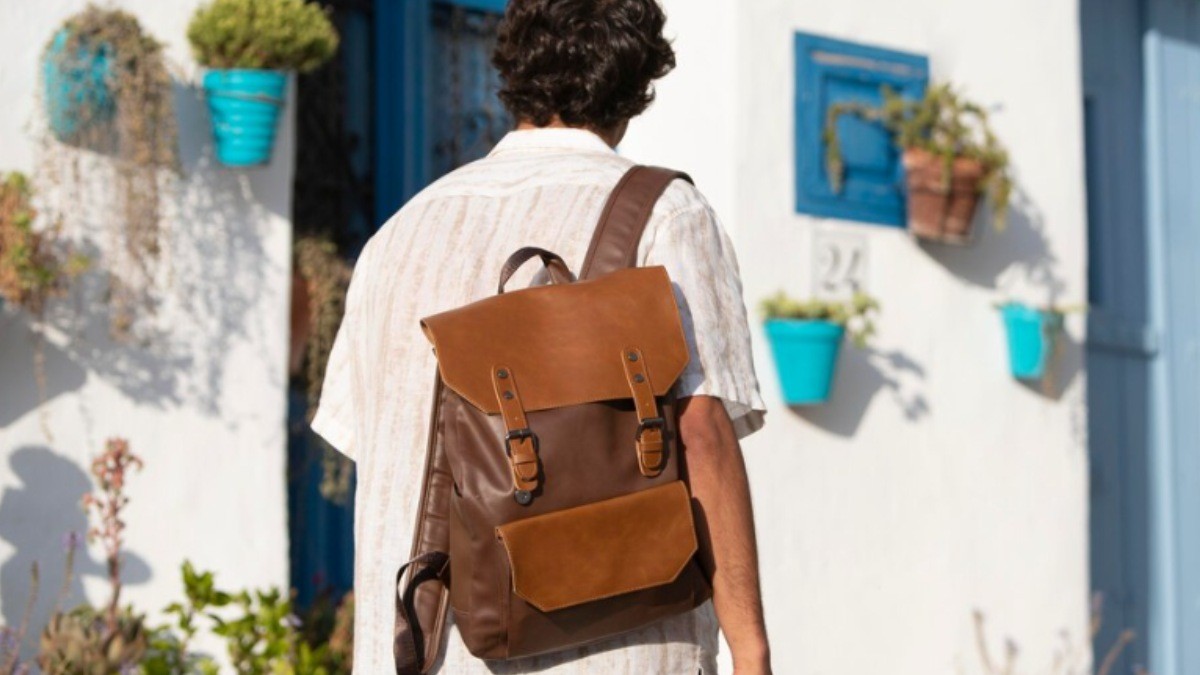
The growth of digital commerce has changed those expectations. Consumers can now explore collections, watch fashion shows, examine product details and communicate with brands from almost anywhere.
A well-designed digital platform can recreate some aspects of a luxury boutique through high-quality photography, detailed product descriptions, editorial storytelling and personalised customer service.
Personalisation Is Becoming More Important
One of the biggest advantages of digital technology is its ability to personalise the shopping journey.
Related Articles
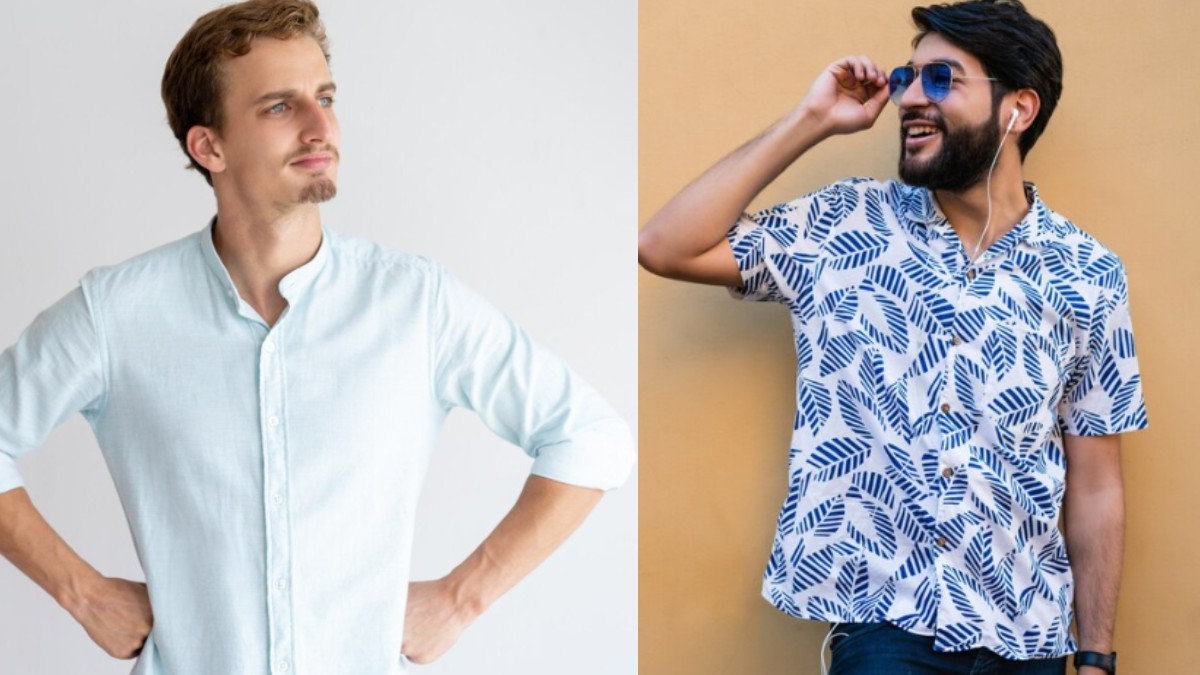
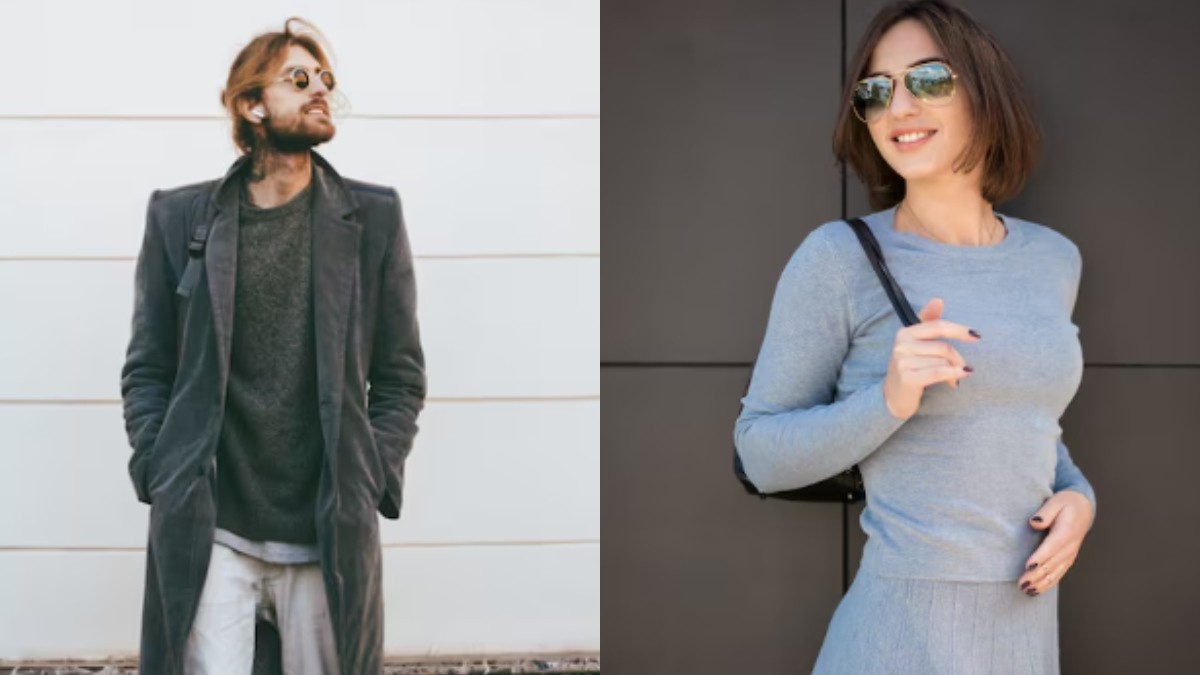
Online platforms can use customer preferences, browsing behaviour and previous purchases to present relevant products. Instead of displaying the same collection to every visitor, brands can create experiences that feel more individually curated.
Personalisation can also extend beyond product recommendations. Customers may receive tailored styling suggestions, collection updates or invitations to exclusive digital events.
However, luxury brands need to use personalisation carefully. Consumers value convenience, but excessive or intrusive use of personal data can damage trust.
Social Media Has Become a Luxury Showcase
Social media has transformed how luxury fashion is discovered. Platforms such as Instagram, YouTube, TikTok and other visual channels allow brands to communicate directly with global audiences.
Fashion campaigns can now combine photography, video, behind-the-scenes content, designer interviews and influencer collaborations. A consumer does not necessarily need to visit a boutique to understand the story behind a collection.
Social media also creates opportunities for luxury brands to reach younger consumers who may become future high-value customers.
Virtual and Immersive Experiences
Technology is creating new ways for customers to interact with fashion. Virtual showrooms, interactive websites and augmented-reality experiences can make digital shopping more engaging.
For example, virtual try-on technologies can allow consumers to visualise certain accessories or beauty products before purchasing. Augmented reality can also add an interactive layer to marketing campaigns.
Although digital experiences cannot completely replace the tactile nature of luxury shopping, they can complement physical retail and make brand discovery more convenient.
Artificial Intelligence and Luxury Retail
Artificial intelligence is increasingly being explored across the fashion industry. AI-powered tools can assist with product recommendations, customer service, inventory planning, trend analysis and content creation.
For luxury consumers, one potential advantage is faster and more relevant assistance. Digital assistants can help shoppers discover products or answer routine questions at any time.
At the same time, luxury brands need to maintain authenticity. Consumers may appreciate technological convenience, but craftsmanship, creativity and human expertise remain central to luxury's identity.
The Importance of Storytelling
Luxury fashion is not simply about selling a product. It is also about selling a story.
Digital platforms give brands enormous opportunities to communicate those stories. A handbag can be presented alongside information about its craftsmanship, materials, design inspiration and heritage.
Video content can take consumers inside workshops and studios, while interviews can introduce the designers and artisans behind collections. This type of storytelling can help create emotional connections with consumers even when they are shopping online.
Connecting Online and Offline Retail
The future of luxury fashion is unlikely to be purely digital or purely physical. Instead, successful brands can connect both experiences.
A customer might discover a product online, reserve it through a digital platform and visit a boutique to experience it in person. Another shopper might attend a physical fashion event and later receive personalised digital recommendations.
This combination of physical and digital touchpoints creates an interconnected customer journey.
Protecting Exclusivity in a Digital World
One of the biggest challenges facing luxury fashion is maintaining exclusivity while expanding digital access.
If luxury becomes too widely available or loses its distinctive identity online, consumers may perceive it differently. Brands therefore need to carefully balance accessibility with exclusivity.
Private digital appointments, members-only content, personalised services and limited online releases can help maintain a feeling of privilege.
The Future of Luxury Fashion
Digital innovation is likely to remain an important part of luxury fashion. Consumers increasingly expect seamless experiences across websites, mobile devices, social media and physical stores.
The most successful luxury brands will be those that use technology to enhance rather than replace the qualities that make luxury special: craftsmanship, creativity, heritage, personal service and emotional connection.
Luxury fashion and digital experience are no longer separate worlds. Technology is changing how consumers discover brands, interact with collections and make purchasing decisions.
From personalised recommendations and social media storytelling to virtual experiences and AI-powered services, digital tools are creating new possibilities for luxury retail. Yet technology alone cannot define luxury. The strongest digital experiences will combine innovation with authenticity, exclusivity and the human touch that consumers have traditionally associated with high-end fashion.




Comments 0