
Men’s fashion has changed drastically in the past decades because music, entertainment, technology, work culture and social behaviour had changed. From 1980s bold silhouettes to the relaxed and digitally based styles of the 2020s, each decade has brought about its own fashion trends but also brought back elements of the past.
Men’s Fashion in the 1980s
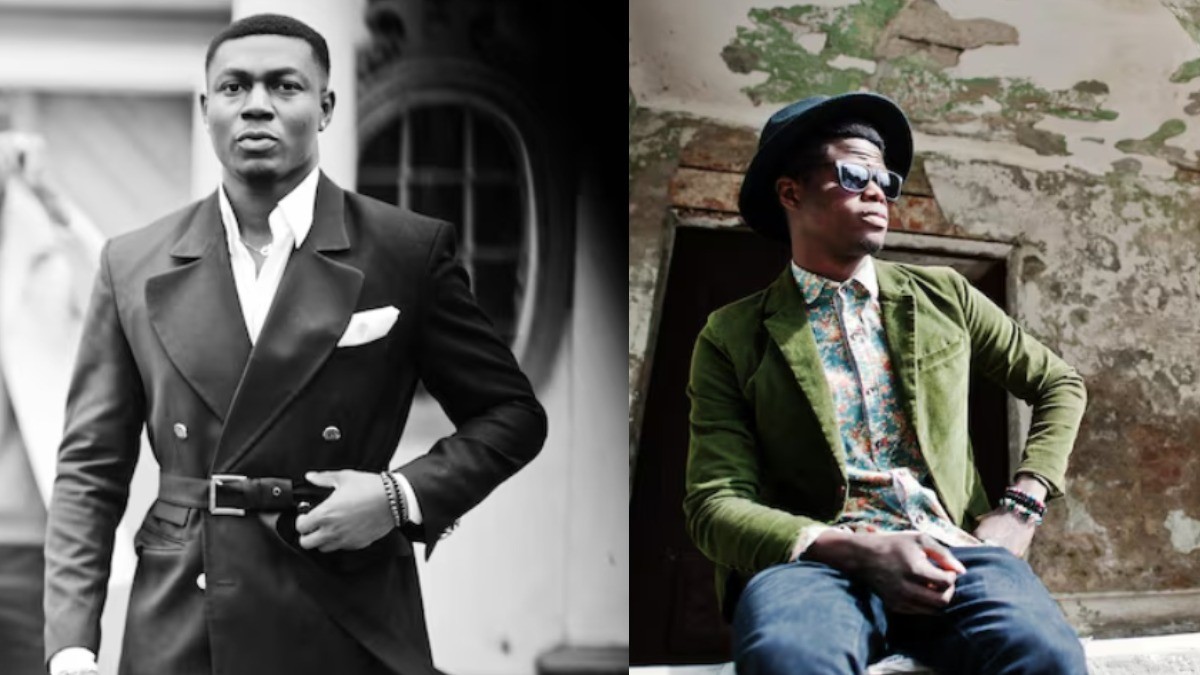
The 1980s were known for bright colours and big silhouettes and expressive style. Men’s wardrobes frequently included power suits with broad shoulders, colourful shirts, denim and athletic-inspired clothing.
Pop stars and movie personalities had a major influence on everyday fashion. Leather jackets, tracksuits, high-top sneakers and graphic T-shirts became popular among younger consumers.
Related Articles
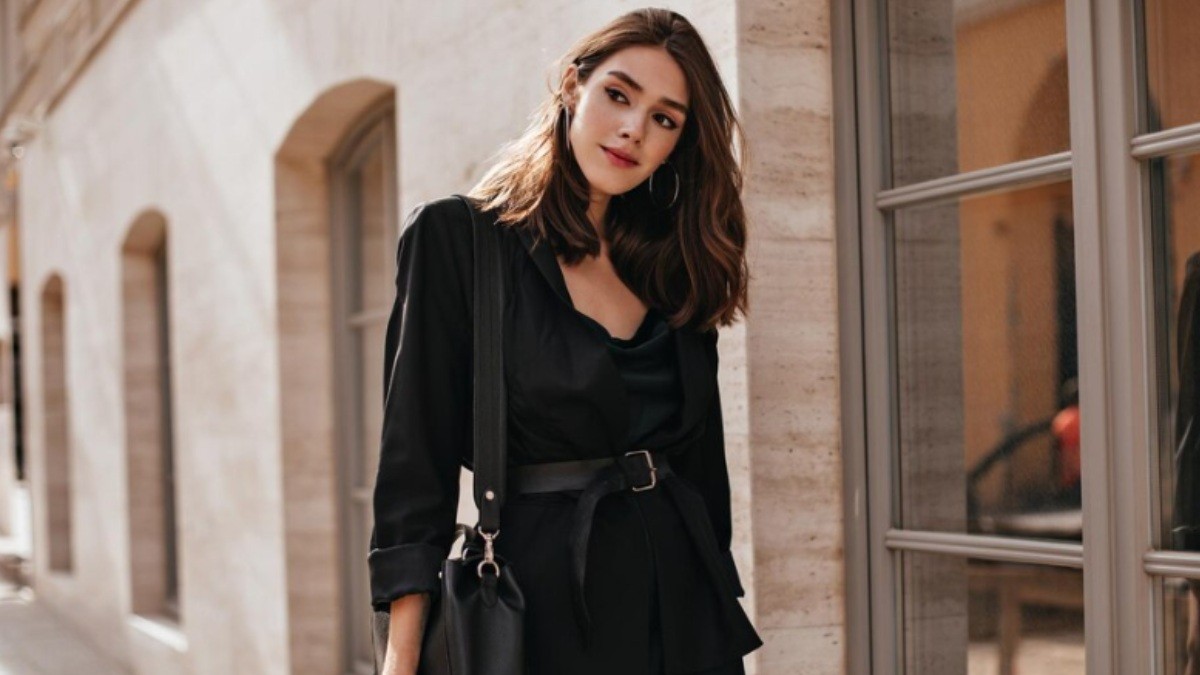
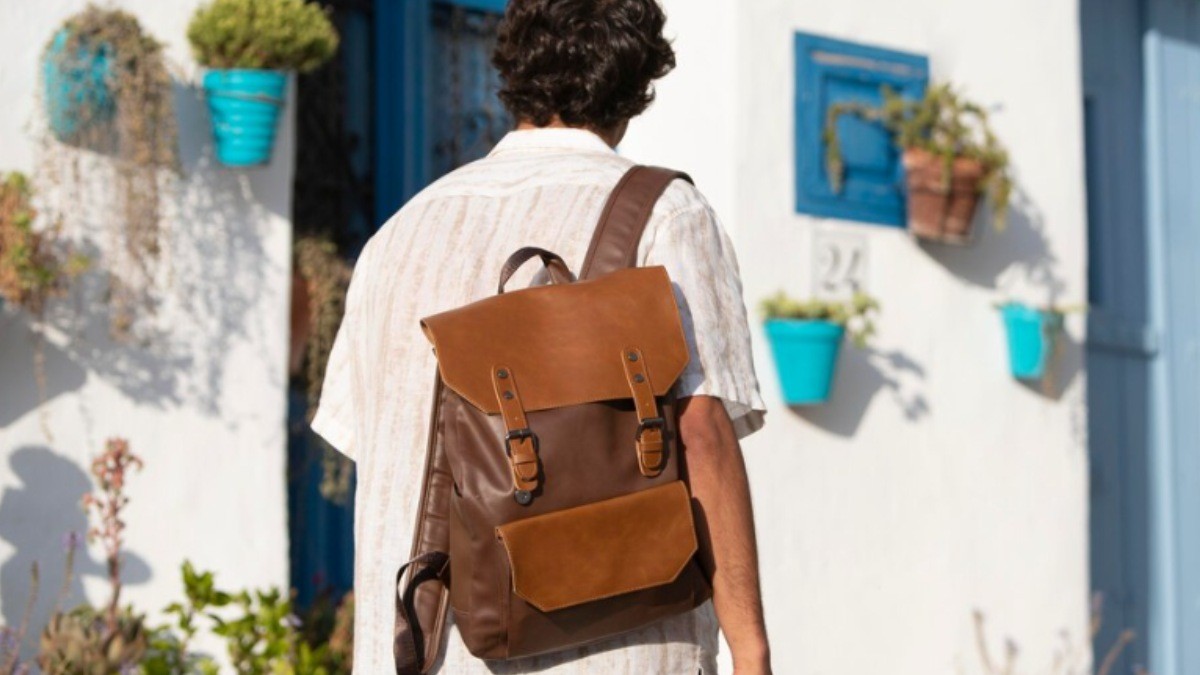
Accessories also became more noticeable, with sunglasses, watches and statement jewellery often being used to complete an outfit.
Men’s Fashion in the 1990s
The 1990s gave way to more casual and relaxed clothing. Baggy jeans, oversized T-shirts, hoodies and sportswear were more common, especially among younger generations.
Grunge culture made flannel shirts, distressed denim and layered clothing popular, while hip-hop influenced streetwear with big clothes, sneakers and sports-inspired styles.
Related Articles
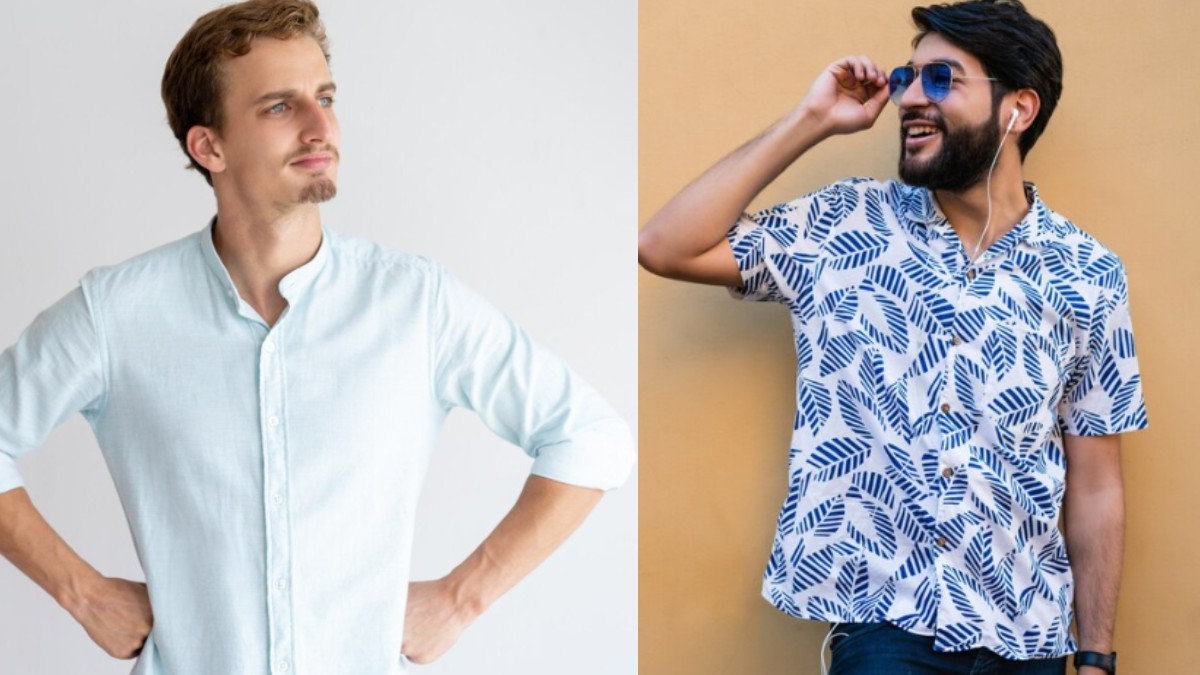
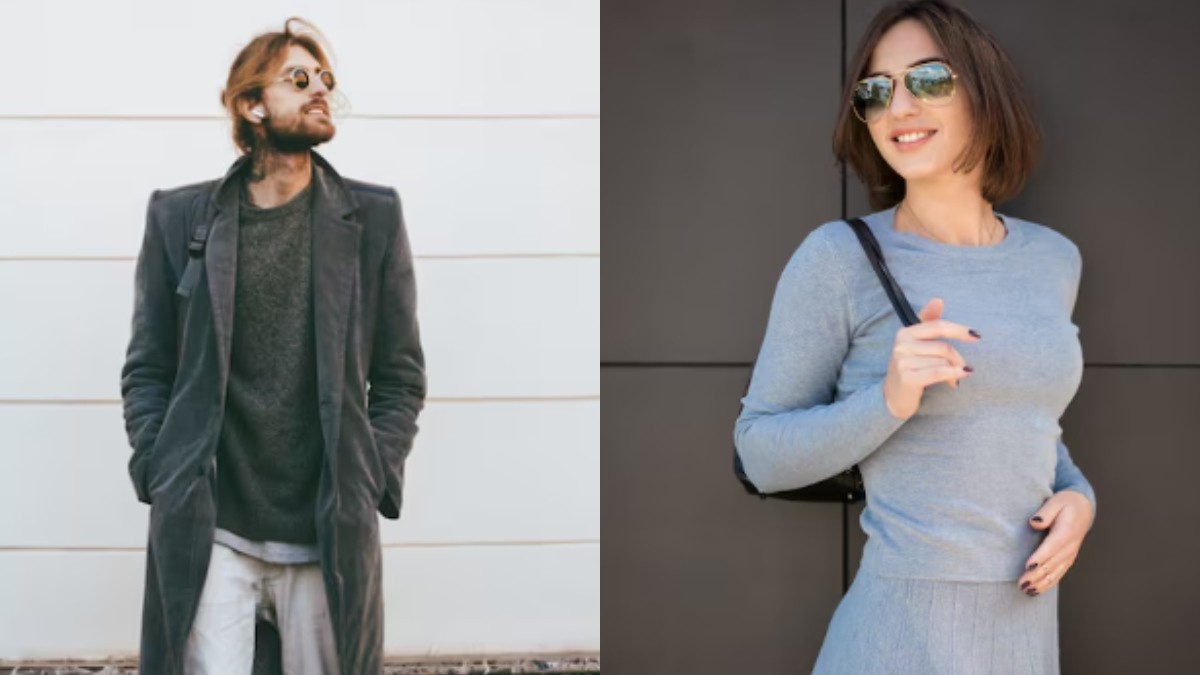
At the same time, minimalist fashion was gaining more attention— simple shirts, straight-leg trousers and understated colours were the antithesis of the louder styles of the last decade.
Men’s Fashion in the 2000s
The early 2000s saw a mix of casualwear, celebrity-inspired trends and experimental styling. Low-rise jeans, graphic T-shirts, cargo trousers and tracksuits had become a staple in men’s wardrobes.
Denim became particularly versatile and appeared in jeans, jackets and shirts. Sneakers were still a part of everyday dressing and branded clothing was more visible.
As the decade went on, slimmer silhouettes began to gain popularity and the more tailored style of the 2010s came into effect.
Men’s Fashion in the 2010s
The 2010s saw the growth of slim and fitted clothing. Skinny jeans, fitted shirts, bomber jackets and minimalist sneakers became popular.
Social media changed the fashion trends. Instagram, fashion blogs and online retailers enabled people to find new styles very quickly.
Streetwear also became increasingly influential— sneakers, hoodies and casual pieces merged with luxury fashion. Formal and casual clothing became less rigid.
Men’s Fashion in the 2020s
The 2020s have been characterized by comfort and versatility and personal expression. Relaxed trousers, oversized shirts, knitwear, sneakers and casual tailoring are now the norm.
Work done in a remote environment and hybrid work is also increasingly prevalent in everyday wardrobes and this is creating a demand for clothes that are comfortable and sleek.
Sustainability, secondhand shopping and interest in vintage clothing have also become more visible elements of contemporary fashion conversations. At the same time, social media continues to accelerate the return of styles from previous decades.
The Return of Vintage Trends
One of the most striking features of modern men’s fashion is its relationship with the past. Elements of 1980s tailoring, 1990s streetwear and 2000s styling have come back with new interpretations.
Not only do designers and consumers not simply reproduce old fashion trends, they combine vintage influences with current silhouettes and fabrics, but rather modern silhouettes and fabrics as well.
Conclusion
From the bold power dressing of the 1980s to the relaxed and diverse styles of the 2020s, men’s fashion reflects the changing culture and lifestyles. Each decade has brought new ideas and influenced what follows. Now men have more freedom to mix formalwear, streetwear, vintage pieces and casual clothes.




Comments 0