
Fashion is so much more than clothes, accessories and trends. It has an impact on people’s thought and perception of themselves, how they view themselves and how people connect to the world. Fashion — from traditional wear to today’s streetwear — could convey personality, culture, profession, age and social membership.

Fashion as a Form of Self-Expression
Clothing enables people to communicate without saying a word. The colour, patterns and silhouettes one chooses can be representative of their own tastes and personal image that they want to present.
Some people like minimalist looks and colors and styles that are bright and bold while others like to go bold and different and express themselves. Fashion therefore provides individuals with a visual language through which to build and communicate aspects of their identity as they build and communicate them.
Related Articles

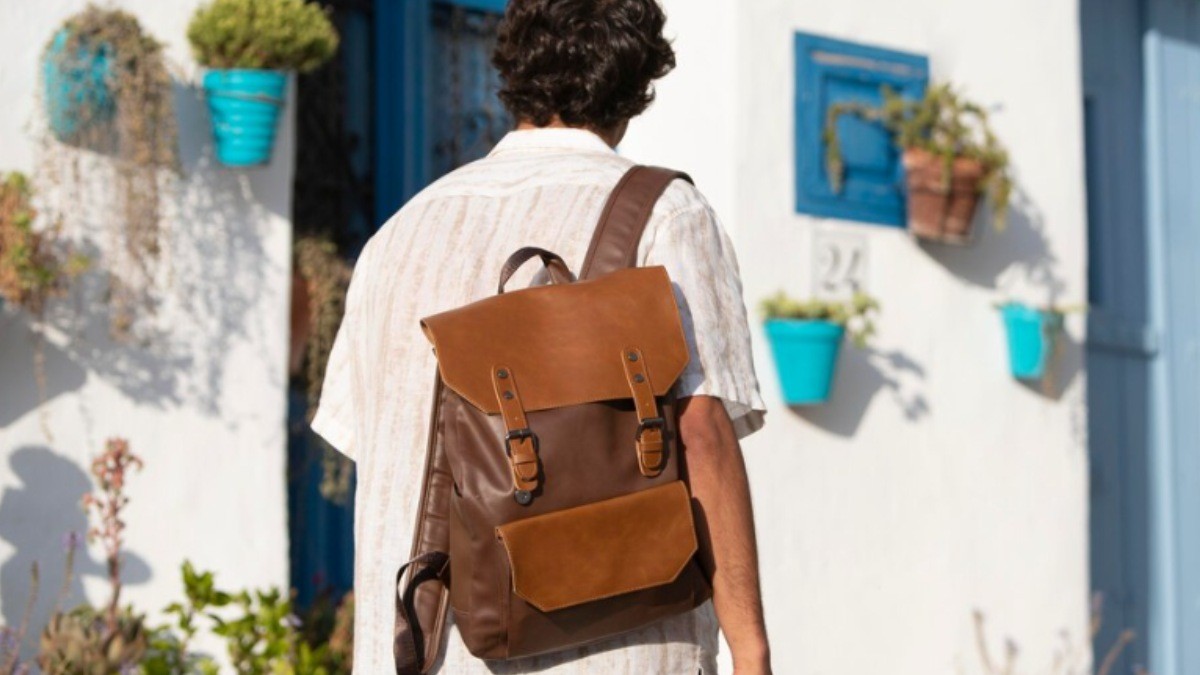
Connecting With Culture and Tradition
Fashion is very well connected to national identity. Traditional clothing has historical, regional and symbolic significance. Sarees, kimono, kilts, embroidered garments and other traditional clothes can be a symbol of heritage and community.
Wearing traditional clothing during festivals, weddings or cultural celebrations can strengthen a sense of connection with family and cultural traditions. At the same time, designers increasingly combine traditional techniques with contemporary styles, creating new interpretations of cultural fashion.
Fashion and Social Groups
Fashion can also help people identify with particular social groups. Certain styles may be associated with music communities, sports cultures, professional environments or youth movements.
Related Articles
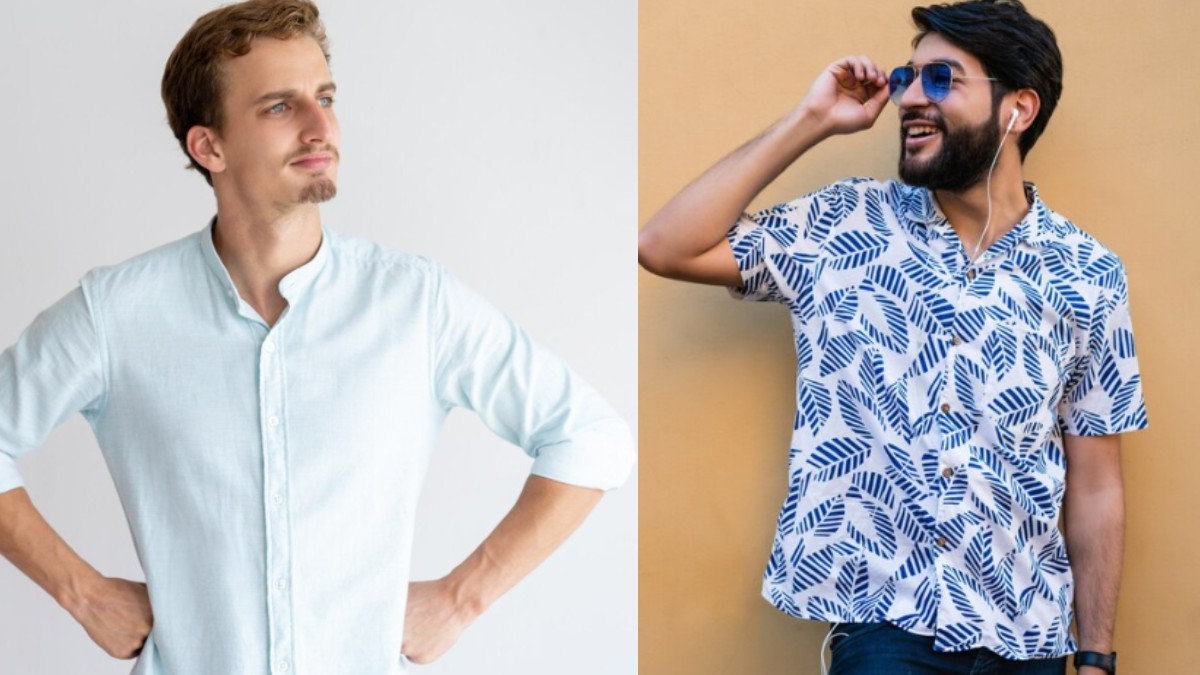

For example, streetwear has deeply connected to youth culture, music and urban life. Uniforms can, for students, employees and organisations, also give an image that’s similar in visual identity.
The Role of Gender in Fashion
Fashion has always been influenced by ideas about gender. A lot of colours, clothes and aesthetics have historically been associated with men or women.
But today’s fashion has become much more flexible around these boundaries too. Unisex collections, gender-neutral clothing and designers’ reimagining of traditional silhouettes have helped to reignite conversations about personal expression and identity.
Social Status and Fashion
Fashion can communicate social and economic status. Designer labels, luxury accessories and exclusive collections may be associated with wealth and prestige.
At the same time, social media and fast fashion have opened up trends to a wider audience. People can engage in popular style but not necessarily purchase luxury products; fashion operates differently for different social and economic groups.
Social Media Is Changing Fashion Identity
Digital platforms such as Instagram and TikTok and other online communities have fastened the spread of fashion trends. People can build their own style online and connect with people who have similar interests.
Influencers and content creators have also changed the way in which consumers find clothes. Within a short time a trend can grow from an online community to a global audience.
Fashion Is Constantly Evolving
Fashion does not create identity in itself. Family, culture, media, profession, economic circumstances, personal experiences all contribute to how people present themselves.
As such, fashion is an ideal medium for the message of belonging, individuality and cultural affinity to be sent to people while communicating the message of belonging and belonging to one another. As society changes, fashion is changing as well as who wears it — the people who wear it — and how fashion changes and how we do so.




Comments 0