
Fashion is a universal form of self-expression, but the way people dress can vary dramatically from one country to another. Clothing reflects far more than personal taste. Culture, history, religion, climate, social traditions, economic conditions and popular media all influence fashion choices.
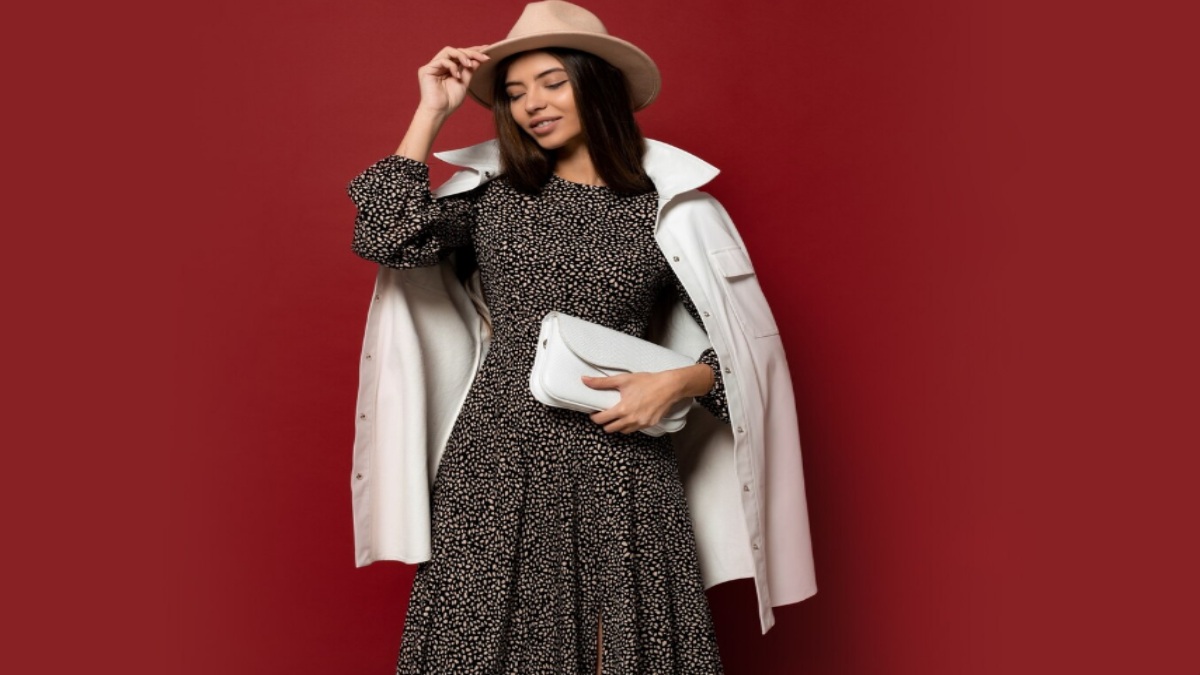
As a result, national differences in fashion offer an interesting glimpse into the identity and values of different societies.While globalisation has made international trends more accessible than ever, many countries continue to maintain distinctive fashion traditions alongside modern styles.
India: A Blend of Tradition and Modernity
Indian fashion is known for its rich colours, textiles, embroidery and diverse regional traditions. Sarees, salwar suits, lehengas and kurta-pajamas remain important parts of traditional and occasion wear, while Western-style clothing is widely worn for work, college and everyday activities.
Related Articles

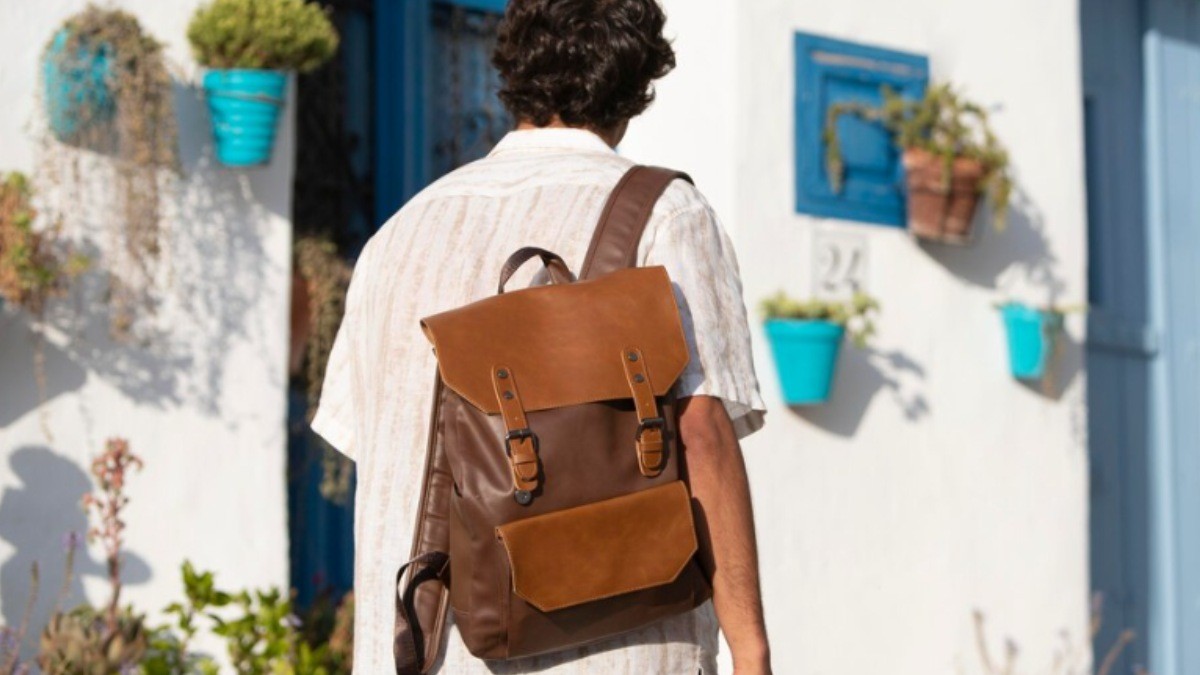
Indian designers frequently combine traditional craftsmanship with contemporary silhouettes. Fabrics such as silk, cotton and handwoven textiles continue to influence modern collections. Festivals and weddings also play a major role in preserving and showcasing traditional clothing.
Japan: Minimalism Meets Tradition
Japanese fashion is often associated with a combination of simplicity, precision and innovation. Traditional garments such as the kimono remain important for ceremonies and special occasions, while contemporary Japanese street fashion is famous for experimentation.
Tokyo has developed a reputation for distinctive subcultures, ranging from minimalist and understated styles to colourful and highly creative looks. Japanese designers have also had a significant influence on global fashion through innovative silhouettes and attention to construction.
Related Articles

France: Elegance and Timeless Style
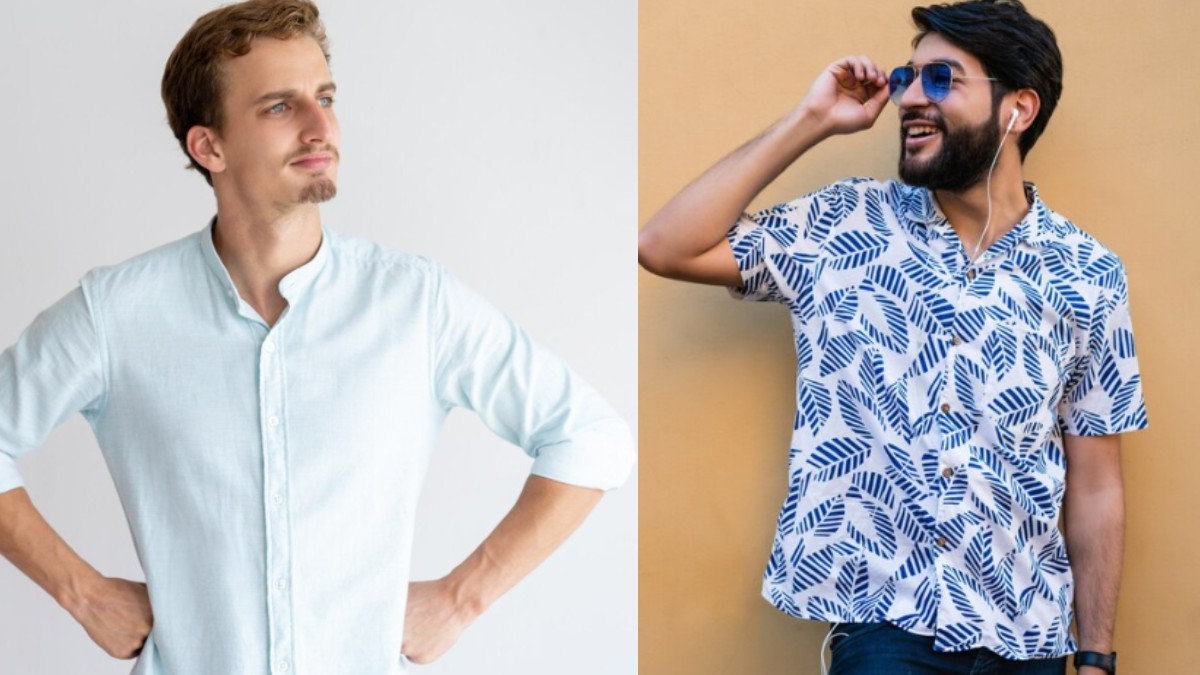
France, particularly Paris, has long been associated with luxury fashion and haute couture. French style is often linked with understated elegance, tailored clothing and an emphasis on quality.
The influence of Parisian fashion extends beyond designer collections. Simple wardrobe staples, neutral colours and carefully chosen accessories are often associated with the classic French approach to dressing. At the same time, France remains an important centre for international luxury fashion.
Italy: Craftsmanship and Sophistication
Italian fashion is strongly connected with craftsmanship, tailoring and high-quality materials. Cities such as Milan are major fashion centres, while Italian brands have become globally recognised for clothing, footwear, handbags and accessories.
Italian style often combines polished tailoring with a strong appreciation for design. Whether in formalwear or casual clothing, attention to fit and details remains an important feature.
United Kingdom: Heritage and Individuality
British fashion reflects a mixture of traditional tailoring and contemporary creativity. Classic elements such as trench coats, tweed, tailored suits and knitwear continue to influence British style.
London is also known for its diverse street fashion and willingness to experiment. British designers have historically challenged conventional ideas about clothing, creating styles that range from refined and traditional to bold and unconventional.
United States: Casual and Diverse
American fashion has had an enormous influence on global clothing trends. Denim, T-shirts, sneakers, sportswear and casual separates are now common worldwide, partly because of the influence of American music, film and popular culture.
Fashion in the United States is also highly diverse because of its multicultural population. Major cities can have very different fashion identities, from the polished styles of New York to the relaxed looks associated with California.
Climate and Lifestyle Influence Fashion
Climate is another major factor behind national differences. People living in hot and humid regions may prefer lightweight, breathable fabrics, while colder climates encourage layering, wool, coats and insulated footwear.
Lifestyle also matters. Urban professionals may have different clothing needs from people living in rural communities. Work environments, transportation, social activities and local customs can all influence everyday fashion.
Globalisation Is Changing Fashion
Social media, international travel and online shopping have made fashion more global. A trend that becomes popular in Seoul, Paris, Mumbai or New York can quickly reach consumers around the world.
However, global trends do not necessarily erase national identities. Instead, many people combine international fashion with local traditions. This has encouraged designers and consumers to create unique combinations of cultural heritage and modern style.
National differences in fashion demonstrate how closely clothing is connected to culture and identity. From India's vibrant traditional textiles to Japan's innovative street style, France's refined elegance, Italy's craftsmanship, Britain's heritage and America's casual influence, every fashion culture has its own character.
Modern fashion is becoming increasingly interconnected, but cultural traditions continue to shape how people dress and express themselves. Understanding these differences makes fashion more than a discussion about clothes it becomes a way of exploring the history, creativity and diversity of people around the world.




Comments 0