
Fashion is often described as a form of self-expression, but its influence extends far beyond personal style. Throughout history, clothing has been closely connected with politics, power, identity and social change. What people wear can communicate political beliefs, challenge social expectations, represent cultural identity or even become a symbol of protest.
From campaign events to international summits, political leaders frequently use clothing to shape their public image. At the same time, ordinary people have used fashion to express solidarity with movements, challenge authority and draw attention to causes. This connection makes fashion an important part of political and cultural conversations.
Clothing as a Political Statement
Clothing can communicate a message without a person saying a word. A particular colour, slogan, accessory or style can become associated with a political movement or social cause.
Related Articles
Protesters have historically used clothing to create a sense of unity. Matching colours, badges, scarves, T-shirts and symbolic accessories can make a large group visually recognizable. In the age of social media, these visual elements can become even more powerful because photographs of demonstrations and public events can reach millions of people.
Political clothing does not always need to feature an obvious slogan. A traditional garment can also carry a political or cultural message by representing heritage, national identity or resistance to cultural homogenisation.
Fashion and Political Campaigns
Political campaigns understand the importance of visual presentation. Politicians are photographed constantly, making clothing an important part of their public image.
Related Articles
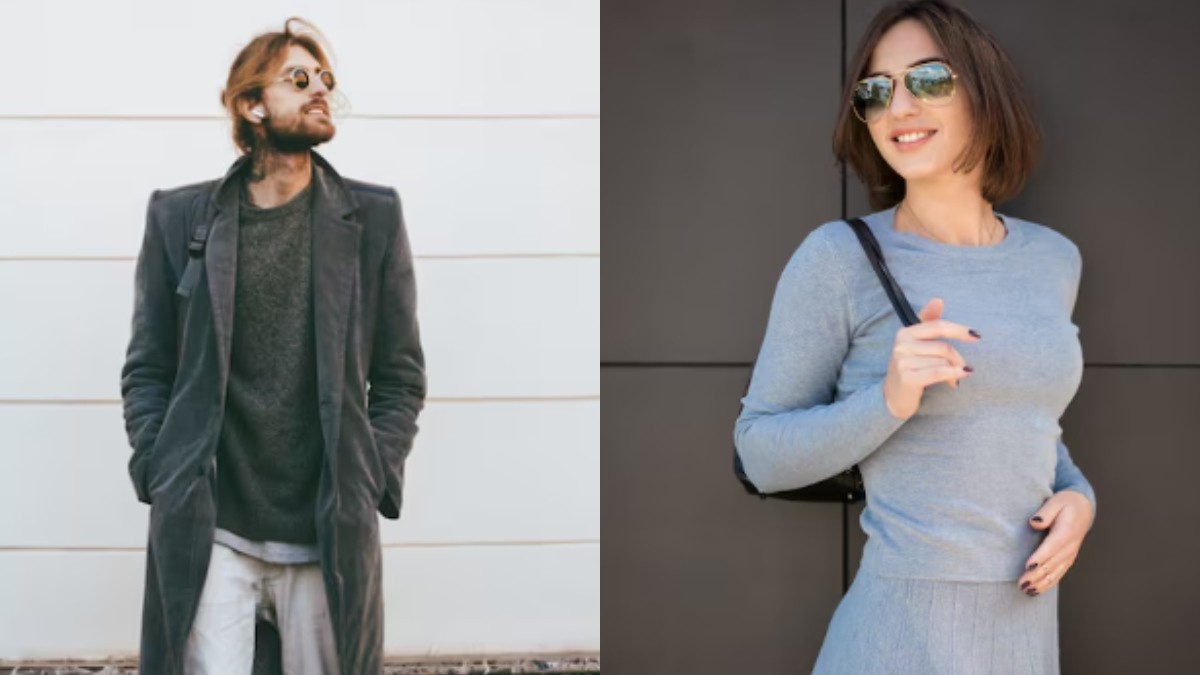
A candidate might choose formal tailoring to communicate authority and professionalism, while another may adopt simpler clothing to appear approachable and connected to ordinary voters. Colours, accessories and even the decision to wear traditional clothing can influence how audiences perceive a political figure.
In many countries, political leaders also wear culturally significant garments during important events. Such choices can communicate respect for local traditions and reinforce a sense of national or regional identity.
The Role of Colour
Colour is one of fashion's most powerful political tools. Political parties and movements often become associated with particular colours, allowing supporters to communicate affiliation through clothing without using words.
Colours can also have broader cultural meanings. Depending on the country and historical context, a particular shade may represent freedom, peace, revolution, environmental causes or national identity.
This makes colour an especially effective tool during elections, demonstrations and public campaigns. A crowd wearing the same colour can create a striking visual image that is easily recognised by television audiences and social media users.
Fashion as Protest
Some of the most memorable political fashion moments have emerged from protest movements. Clothing can challenge conventional expectations and make social issues visible.
Slogans printed on T-shirts, symbolic pins, altered garments and deliberately unconventional styles have all been used to question established ideas. Fashion can therefore become a form of peaceful activism, allowing individuals to participate in political conversations through their appearance.
Young people in particular have often used fashion to challenge established norms. Subcultures have developed distinctive styles that reflect broader attitudes toward politics, society, gender and authority.
Designers and Political Conversations
Fashion designers are not isolated from the political world. Many designers use collections, runway presentations and campaigns to explore subjects such as identity, migration, gender, sustainability and inequality.
Some designers make direct political statements, while others approach political issues indirectly through silhouettes, fabrics, cultural references or presentation concepts. Fashion weeks and major industry events can therefore become platforms for cultural discussion.
However, political fashion can also generate controversy. When designers or brands use cultural symbols, historical references or political imagery, questions about appropriation, authenticity and commercialisation can arise.
Social Media Has Changed Political Fashion
Social media has transformed the relationship between fashion and politics. A political outfit can become a viral topic within minutes, turning clothing into a major part of public debate.
Politicians, activists, celebrities and influencers can use Instagram, TikTok and other platforms to communicate messages through carefully selected outfits. Supporters can replicate these styles, creating visual communities around particular causes.
At the same time, social media can encourage excessive focus on appearance. Political discussions may sometimes become centred on what a public figure is wearing rather than their policies or actions.
Fashion, Identity and Representation
Fashion also intersects with politics through questions of representation. What people are permitted or expected to wear can be influenced by laws, cultural norms and social expectations.
Traditional clothing, religious attire and gendered fashion have all been subjects of political debate in different societies. Decisions about dress can become connected to questions of freedom, equality, cultural preservation and individual rights.
For many people, wearing traditional clothing is not simply a fashion choice. It can be an expression of heritage and belonging.
Why the Relationship Matters
The relationship between politics and fashion demonstrates that clothing is more than an aesthetic choice. It can reflect the values, conflicts and aspirations of a particular society.
Fashion can give political movements a visual identity, help leaders construct public personas and allow individuals to communicate beliefs. It can also challenge stereotypes and bring attention to social issues.
Ultimately, politics influences fashion, while fashion can influence how politics is perceived. Whether through a campaign outfit, a protest T-shirt, a traditional garment or a designer collection, what people wear can become part of a much larger cultural conversation.
As fashion continues to evolve alongside society, its political role is unlikely to disappear. Instead, new technologies, social platforms and changing cultural attitudes will continue to create new ways for clothing to communicate ideas, identity and social change.




Comments 0