
You’re not required to buy new clothes to keep your closet fresh. You can change your clothes, repair them and tailor them to what you already own. Self-stitching can make clothes better; shorten a dress, adjust a loose shirt.
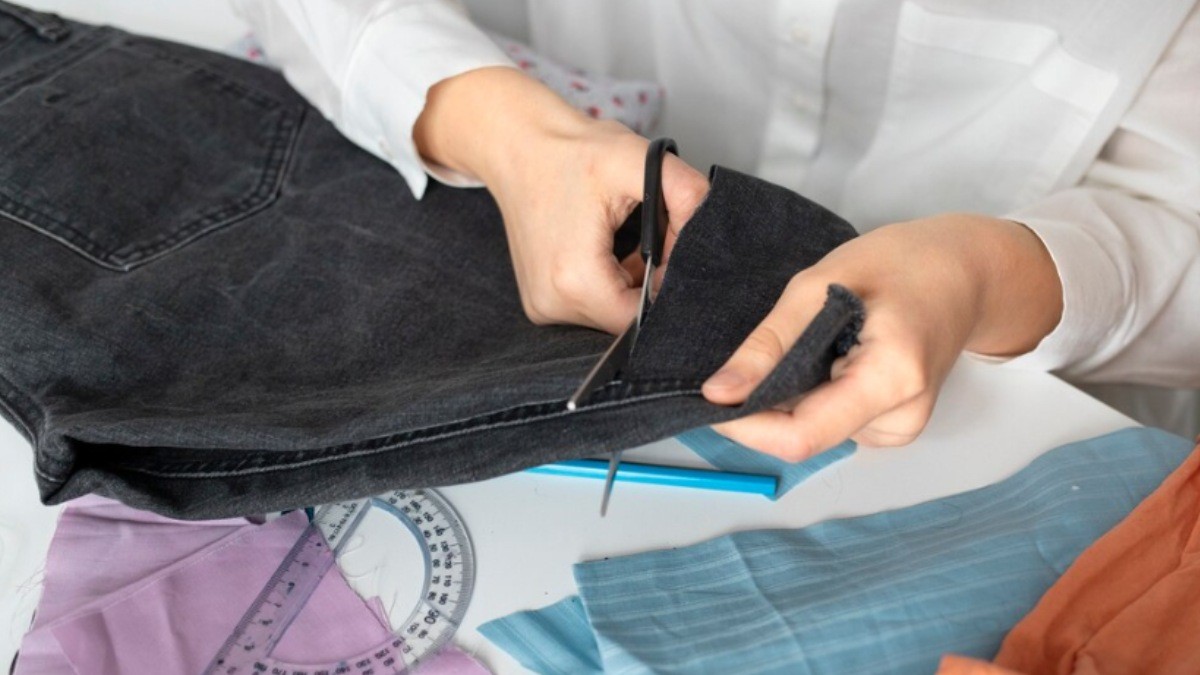
You also don’t need to be a tailor. Basic hand stitching strategies can be sufficient for many basic alterations.
So, start with a basic sewing kit.
Before you start, you must have a few things ready. A basic sewing kit includes needles, matching thread, fabric scissors, measuring tape, pins, tailor's chalk and a seam ripper.
Related Articles

If you are using a sewing machine, first practise straight stitches on a piece of scrap fabric. For hand sewing, start with simple running or backstitches.
Shorten dresses, trousers and skirts
One of the easiest ways to refresh an outfit is to change its length. A long dress can turn into a midi dress and trousers can be cut down to a tailored version.
First, try on the garment and mark the desired length. Measure carefully around the garment before cutting. Leave enough fabric for the new hem and stitch it neatly.
Related Articles
Short cuts are better for beginners, as you can always shorten the garment.
Make an oversized top more fitted
Have a shirt that feels too loose? You can take in the side seams to create a more fitted silhouette.
Turn the garment inside out, mark the areas that need adjustment and pin the excess fabric. Try it on carefully before sewing permanently. Stitch gradually and check the fit again.
This simple change can make an oversized piece look completely different.
Old sleeves a new look
Sleeves can drastically alter the appearance of a garment. You can shorten long sleeves to give it a rolled-up effect or do very simple fabric details.
Short or flutter sleeves for a sleeveless dress are also nice to enhance it. A complementary fabric for a more subtle effect or contrast print to add that statement look.
Add patches, pockets and decorative details
Self-stitching doesn’t have to be all about getting clothes fixed. You can also personalise your wardrobe.
Add fabric patches to denim jackets, decorative pockets to plain shirts or small embroidered details to basic tops. Leftover fabric can also be turned into colourful accents.
Hence, there is a simple way to extend the life of textiles with the use of recycling used clothing into useful or decorative pieces.
Always test before cutting
The biggest mistake that DIY clothing makers make is to cut too much fabric too quickly. Measure twice, mark carefully and test your alterations before making permanent ones.
If possible, first practice the stitch on a scrap of fabric. Professional tailoring services are more appropriate if you are looking at a piece of delicate clothing or for a delicate dress.
Make your wardrobe personal.
Self-stitching allows you to make small changes that reflect your personality. A simple change in the fit can be made; creative details in a shirt can transform an ordinary garment into something unique.
You do not have to master complicated tailoring immediately. Start with a hem, loose button or simple side-seam adjustment and gradually build your skills.
Final thoughts
Self-stitching is more than a practical sewing skill—it can be a fun part of personal fashion. Instead of just throwing out clothes that were in need of a quick change or are at best not quite right, try simple alterations and creative touches. Work on your wardrobe and you’ll develop a more personalised and versatile one.




Comments 0