
Fast fashion has made trendy clothing more accessible, but its low-cost, high-volume model can come with environmental and social costs. From resource-intensive production to textile waste and short clothing lifespans, the way garments are made and discarded has become an important part of the fashion conversation.
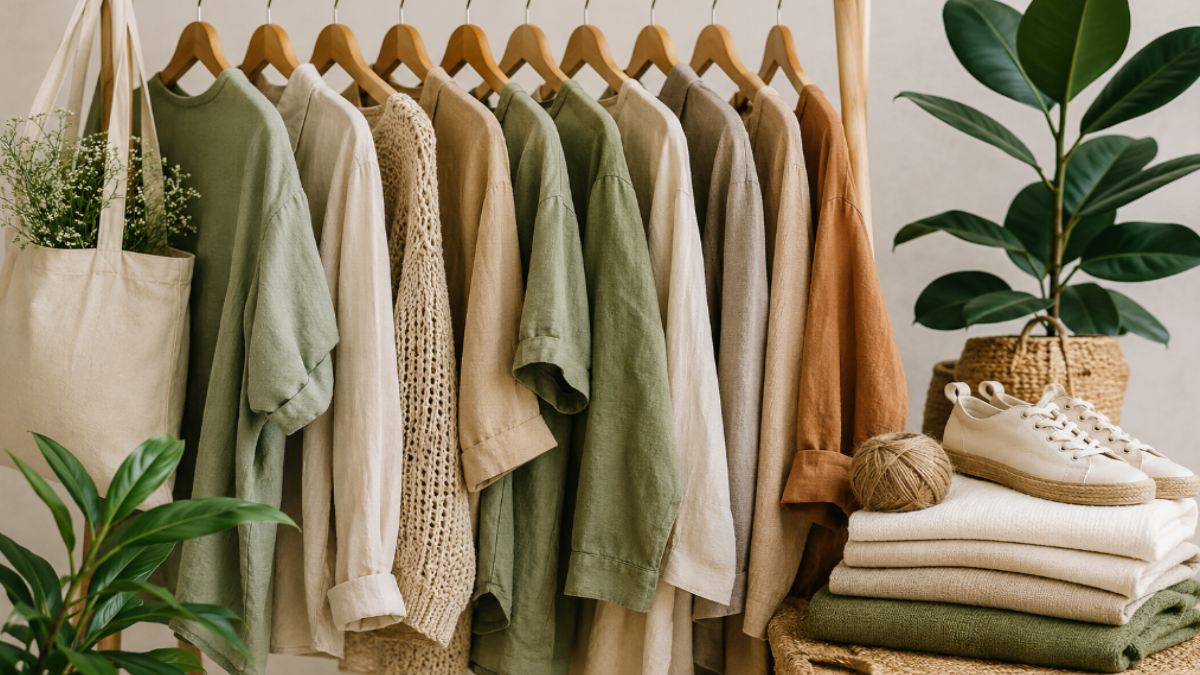
The good news is that building a more sustainable wardrobe does not necessarily mean giving up style. Choosing better materials, buying fewer but more durable pieces, caring for clothes properly and considering second-hand options can all help reduce the environmental impact of fashion.
One of the easiest places to start is by understanding the fabrics in your clothes. Here are eight eco-conscious fabric options worth looking for when shopping for your next wardrobe addition.
Related Articles

1. Organic Cotton
Cotton is a familiar wardrobe staple, but organically grown cotton is produced according to standards that restrict many synthetic pesticides and fertilisers. Depending on how it is grown and processed, organic cotton can be a preferable option for consumers looking to make more environmentally conscious choices.
It is versatile, breathable and suitable for everything from T-shirts and dresses to casual trousers and bedding.
2. Linen
Made from the flax plant, linen is known for its lightweight, breathable texture. Flax can generally grow with relatively fewer agricultural inputs than some other fibre crops, although the overall environmental impact depends on cultivation and processing methods.
Related Articles
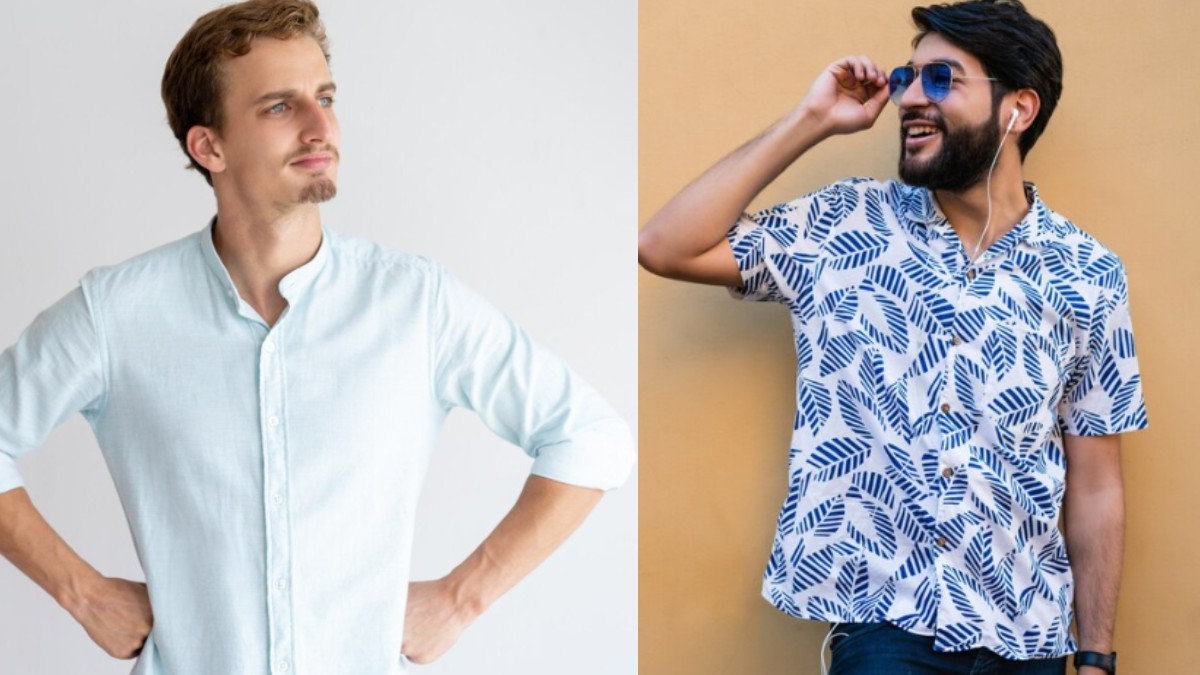

Linen also has a timeless appearance, making it ideal for relaxed shirts, trousers, summer dresses and coordinated sets.
3. Hemp
Hemp has become increasingly popular in sustainable fashion. The plant grows quickly and can produce strong fibres, making hemp clothing durable when properly manufactured.
Hemp fabrics can feel slightly textured at first but often become softer with use and washing. Look for hemp or hemp-blend garments when you want sturdy everyday pieces.
4. Tencel or Lyocell
Tencel is a brand name commonly associated with lyocell and modal fibres made by Lenzing. Lyocell is produced from wood pulp using a solvent-based manufacturing process designed to recover and reuse much of the solvent.
The resulting fabric is soft, breathable and drapes beautifully. It is often used for dresses, shirts, underwear and comfortable everyday clothing.
5. Recycled Polyester
Synthetic fabrics such as polyester are widely used in fashion, but recycled polyester can make use of existing plastic or textile resources instead of relying exclusively on newly produced polyester.
It is particularly common in sportswear, outerwear and performance clothing. However, recycled polyester is still a synthetic fibre and can shed microfibres during washing, so responsible garment care remains important.
6. Recycled Nylon
Recycled nylon is another alternative worth considering, particularly for swimwear, activewear and outerwear. It can be manufactured from sources such as discarded fishing nets and other recovered nylon waste.
Choosing recycled fibres does not automatically make a garment completely sustainable, but it can help support the use of existing materials and reduce dependence on virgin resources.
7. Organic or Responsible Wool
For people who wear animal fibres, wool can be a durable choice because quality wool garments can last for many years when cared for properly. Look for certifications or information about responsible sourcing and animal welfare.
Wool is naturally insulating and can be useful for sweaters, coats, scarves and other cold-weather clothing.
8. Recycled Cotton
Recycled cotton is produced by recovering cotton fibres from textile waste or discarded cotton garments. Using existing textile material can help reduce demand for virgin fibres and divert waste from disposal.
Because recycled fibres can be shorter and weaker depending on the manufacturing process, recycled cotton is often blended with other fibres to improve durability.
How to Make Your Wardrobe More Sustainable
Fabric choice is only one part of sustainable fashion. How often you buy, how long you keep a garment and how you care for it also matter.
Instead of purchasing clothes simply because they are trending, consider whether you will wear them regularly. Choose versatile pieces that can be styled in several ways and prioritise construction and durability over extremely low prices.
Washing clothes only when necessary, following care instructions, using lower-temperature washes when appropriate and repairing damaged garments can extend their lifespan.
Shopping second-hand is another practical option because it gives existing clothing a longer life and can reduce the need to purchase newly manufactured garments.
Ultimately, sustainable fashion is not about creating a perfectly eco-friendly wardrobe overnight. It is about making more informed choices over time. From linen and hemp to organic cotton and recycled fibres, exploring alternative fabrics can be a simple step toward a wardrobe that is kinder to the planet while still being stylish, comfortable and personal.




Comments 0