
The fashion industry is entering a transformative era, driven by technology, sustainability, changing consumer expectations and new approaches to creativity. From artificial intelligence and virtual fashion to recycled fabrics and personalised shopping experiences, the future of fashion is expected to look very different from the industry of the past.
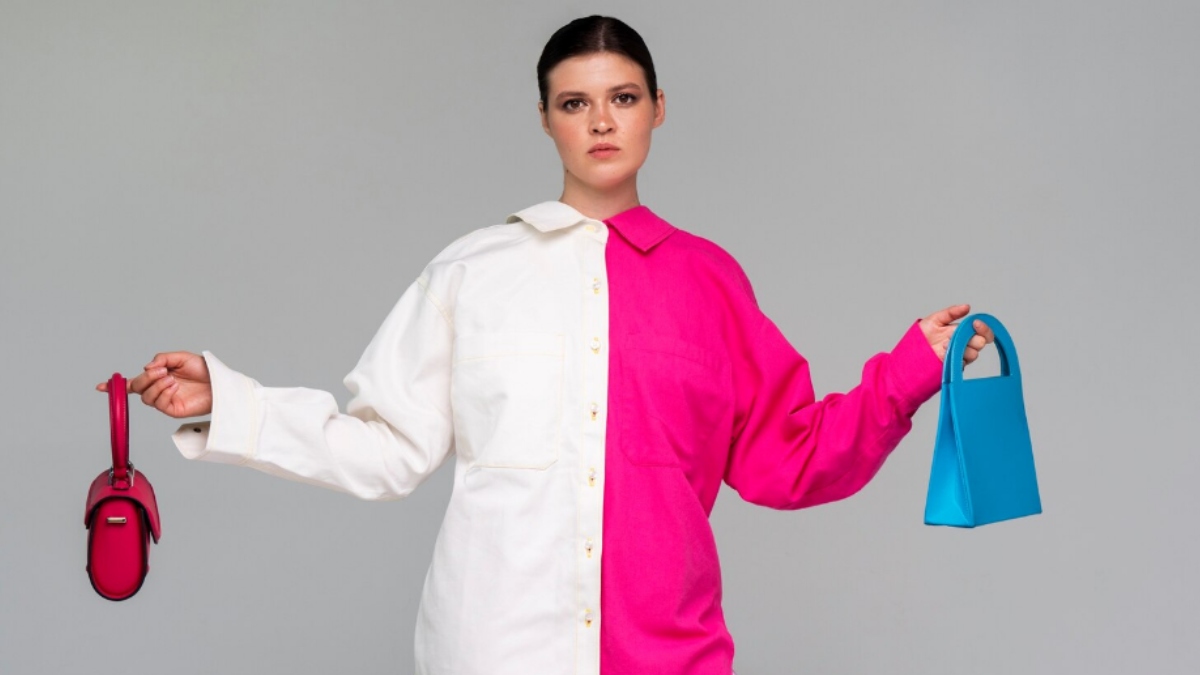
Fashion has always evolved with society, but the pace of change is accelerating. Most people are now so much more interested in the quality of clothing than how it looks and in how it is made, where materials come from, and what happens to garments after they are no longer needed.
Sustainability Will Become a Bigger Priority
One of the most important trends shaping fashion's future is sustainability. The industry is under growing pressure to reduce textile waste, minimise pollution and use resources more responsibly.
Related Articles
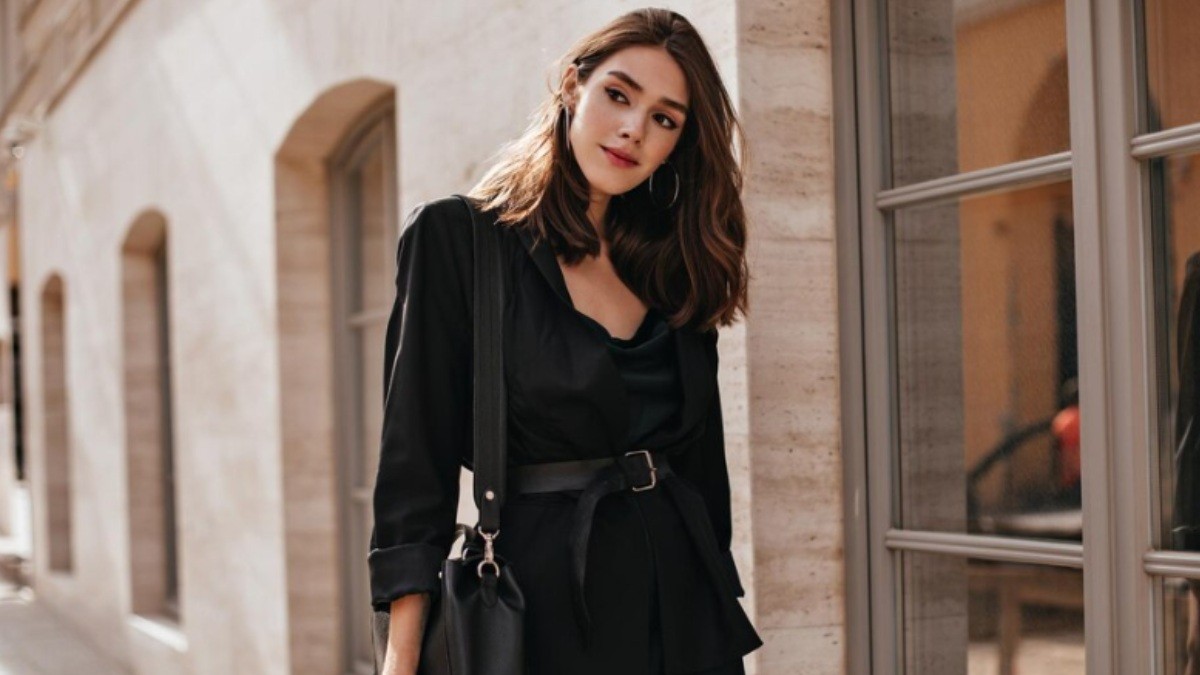
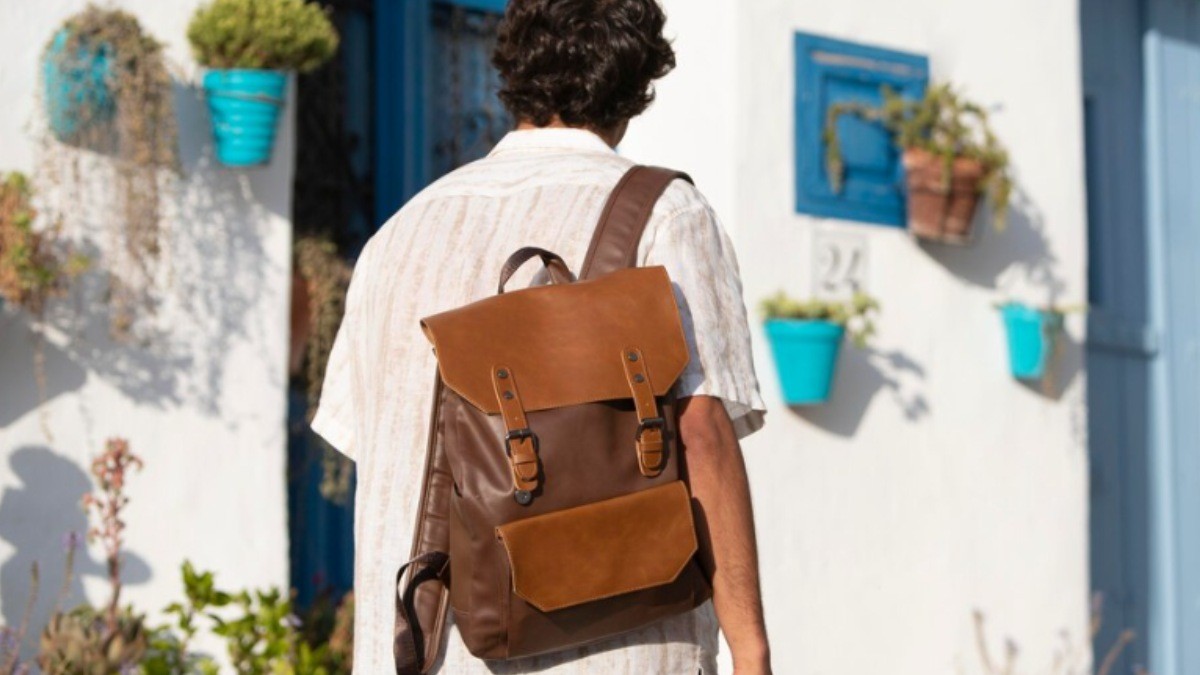
To reduce environmental impact, brands are exploring recycled fibres, organic materials, innovative textiles and production methods designed to reduce environmental impact. Circular fashion—where clothing is repaired, reused, resold or recycled rather than discarded—is also gaining attention.
Second-hand fashion and clothing rental platforms are likely to become increasingly important as consumers look for ways to enjoy fashion while reducing waste.
Artificial Intelligence Will Transform Fashion
Artificial intelligence is already influencing how fashion companies design, manufacture and market products. In the future, AI could help designers identify emerging trends, develop concepts and analyse consumer preferences.
Related Articles
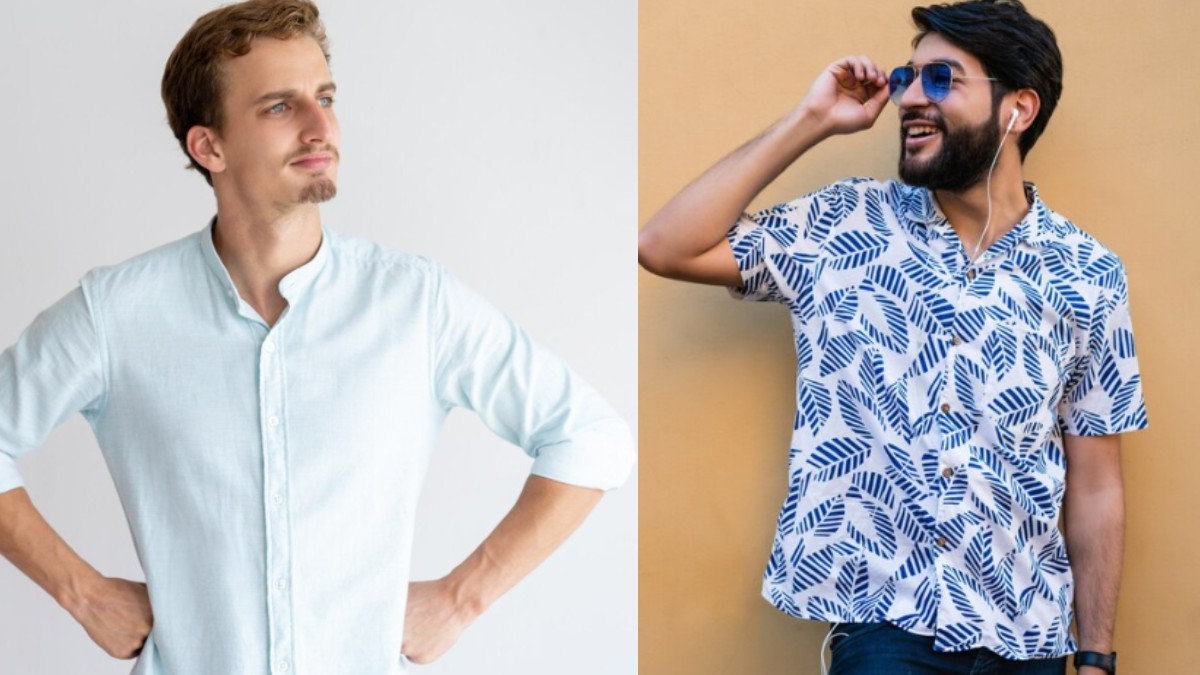
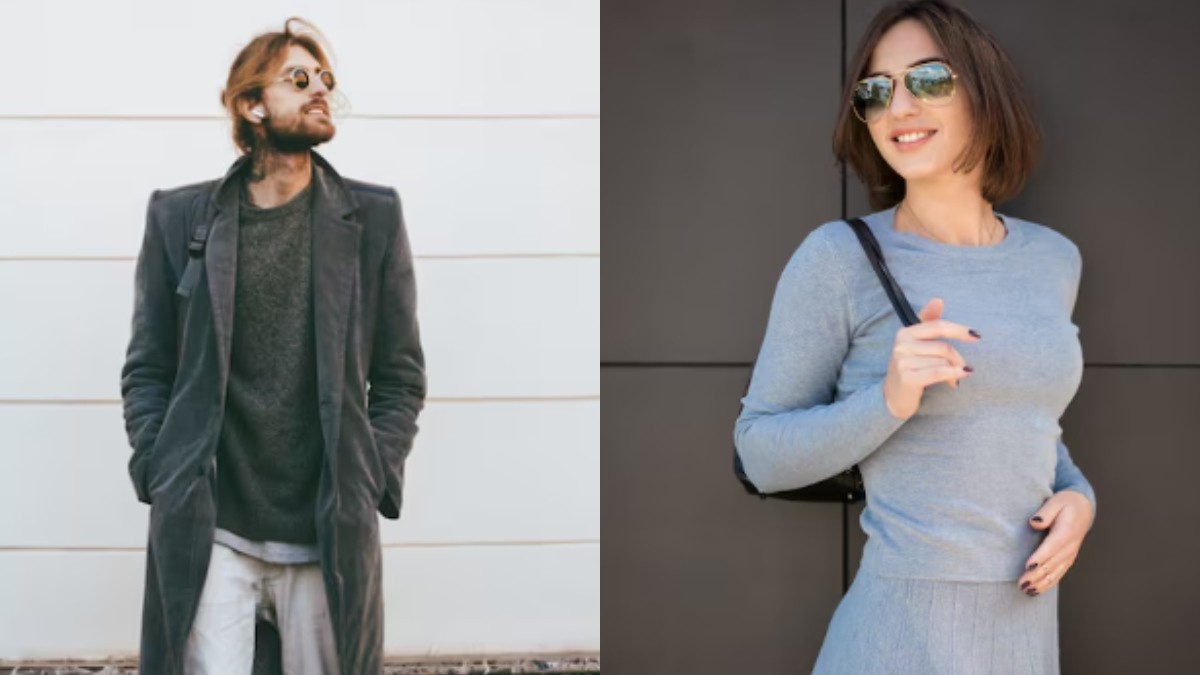
AI-powered recommendation systems may also make online shopping more personalised by suggesting clothing based on an individual's previous purchases, measurements, style preferences and lifestyle.
However, technology is likely to complement human creativity rather than completely replace it. Designers will continue to bring cultural influences, emotion and artistic vision to fashion.
Virtual Fashion and Digital Experiences
The growth of virtual worlds and digital platforms could create new opportunities for fashion. Digital clothing, virtual accessories and online fashion experiences may become increasingly common, particularly among younger consumers.
Virtual try-ons and augmented reality could also make online shopping more interactive. Customers may be able to see how garments look on them digitally before placing an order, potentially reducing returns and improving the shopping experience.
Personalisation Will Shape Shopping
Consumers increasingly expect brands to understand their individual needs. Advances in data analysis and digital manufacturing could make personalised fashion more accessible.
Instead of producing large quantities of identical garments, some companies may increasingly use on-demand manufacturing and customisation. This could help brands reduce excess inventory while offering customers products tailored to their preferences.
The Rise of Conscious Consumers
Future fashion consumers are likely to pay greater attention to transparency. They may want to know where garments were produced, what materials were used and whether workers were treated fairly.
Brands that combine innovation, ethical practices, quality and sustainability could have an advantage as consumer expectations continue to evolve.
Ultimately, the future of fashion will not be defined by one technology or trend. It will be shaped by the intersection of creativity, responsibility and innovation. As fashion becomes more digital, sustainable and personalised, the industry has an opportunity to create a future where style and conscious consumption can coexist.




Comments 0