
Gold has always been important in Indian culture but is way more than just a precious metal or an emblem of wealth. On festivals such as Diwali, Dussehra, Akshaya Tritiya, Onam, Pongal, Navratri, Ugadi, Vishu and wedding celebrations, millions of Indians wear gold jewellery as part of long-standing traditions.
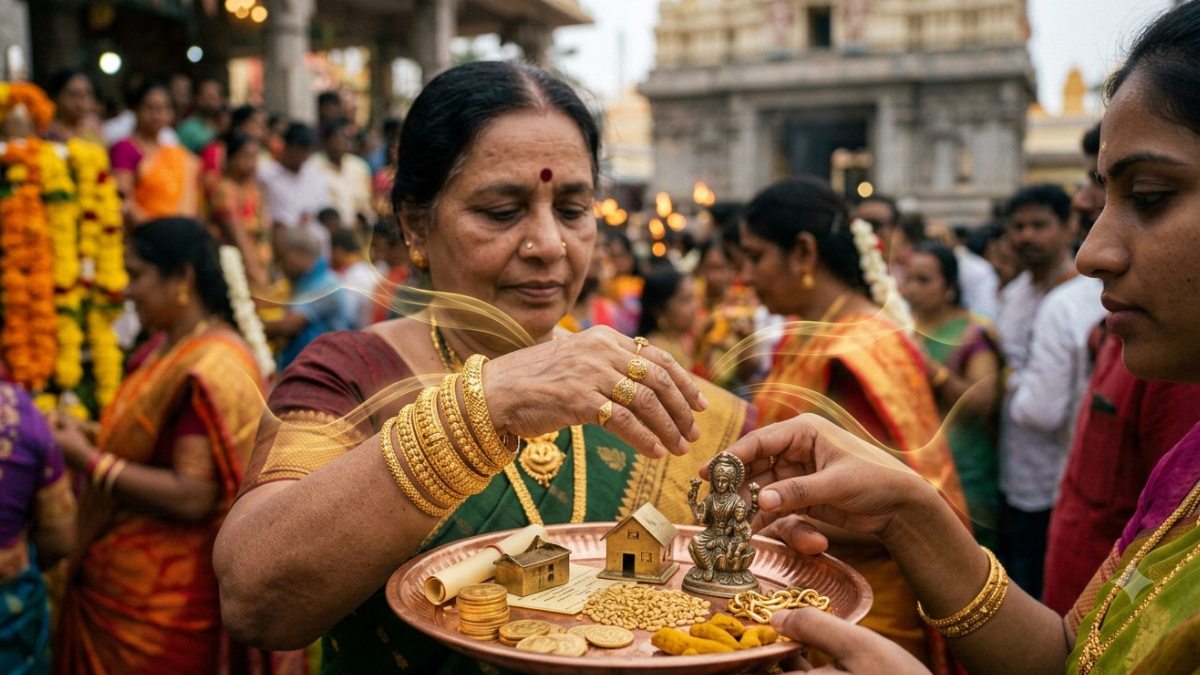
And even though cultural and religious beliefs are the most important factors, psychological explanations of why wearing gold and being on a night out, even on a holiday, are even more significant.
Gold’s psychological affinity is the prosperity and abundance of prosperity. Gold has been linked to financial security, success and good fortune for generations. Gold is associated with wealth, growth and new beginnings, and festivals generate a positive mood of hope and confidence that is also associated with wealth and prosperity.
Related Articles


Festivals are occasions where people celebrate accomplishments, strengthen family bonds, and express gratitude. Gold is an ideal match for these emotions because it is a symbol of permanence and value. As gold is a luxury that lasts longer than other things in the world, it’s a tangible symbol of stability. This psychological reassurance helps people feel safe and secure on important occasions.
Self-confidence is also a key factor. Studies in psychology suggest that people’s clothing and accessories affect how they perceive themselves— what’s known as ‘enclothed cognition’. A lot of people report that jewellery made of gold gives them a feeling of being more confident and socially connected when wearing gold.
Gold is also a marker of cultural identity. Jewellery in India is highly regional, family, and religious oriented. Different communities have different gold ornaments that represent their heritage. When heritage is passed down from generation to generation, it is very emotional to wear family jewellery at festivals.
Related Articles


Memory also matters. Gold jewellery is given out at births, weddings, anniversaries, etc., and there are many such things happening every day. With this kind of emotional attachment, such ornaments bring into life memories of close ones and important events in life.
Gold also communicates celebration and respect, at least from a social psychology perspective. At festivals, people tend to dress up and honor the tradition and express respect. Gold also signifies that you are part of the group celebration and that you are part of the common (cultural) perspective. It is part of a collective happy atmosphere where families come together, share gifts, and celebrate together.
Gold’s emotional significance is further enhanced by religion. In Hinduism, gold is associated with Goddess Lakshmi, who is considered the goddess of wealth, prosperity, and abundance. Purchasing or wearing gold on auspicious days is thought to bring good energy into a home, and because of this, many families and regions share the same belief.
Globally, there is also a neurological explanation for why gold attracts human attention. Its bright yellow colour perfectly reflects light, and in order to draw people in, it is very visually attractive. Humans are attracted to shiny things because they are associated with value, purity, and rarity, and the emotional satisfaction of wearing gold jewellery.
The current consumer psychology has made gold ownership even more interesting. For generations before, gold was more like an investment or family asset; today, it is more a symbol of self-expression. Gold with modern jewellery has been designed so that people can marry old values and new ones with gold.
Gold remains a financial asset for the everyday. Many Indian families purchase gold for adornment but also as a long-term investment that can provide security during emergencies. This practical value only serves to reinforce the emotional comfort of owning and wearing gold.
Experts say the psychological impact of gold is very personal and has a lot to do with cultural background, home life, and family traditions, but it is also influenced by our individual experiences. For some, it is faith; for others, it is accomplishment, beauty, family heritage, or financial stability.
With the recent evolution of India and its people, gold is evolving and still very much rooted in tradition. Gold, whether worn at religious festivals, weddings, or family occasions, is always a bridge between the past and present. Not only is it beautiful or money-based, but it is also the emotions that are associated with it confidence, sense of belonging, prosperity, and fond memories.
What’s great about gold is that it’s not just jewellery, and as the Indian festival is going on and the people wear gold in India, it’s symbolic of who we are as a people and a symbol of hope, celebration, and relationships that go back generations.




Comments 0