
Japanese fashion is renowned for its elegant looks and techniques, detailed craftsmanship, beautiful and well-crafted pieces of clothing, and ties to Japanese culture. From the classic kimono to seasonal textiles and carefully selected accessories, traditional Japanese clothes have been part of the fabric of Japan’s culture in terms of their social customs, festivals, and their artistry and associated cultural heritage. While modern Japanese have adopted Western-style clothing in most people’s daily lives, traditional clothing remains an important part of daily attire. Even though Japan is a Western country where many people wear Western clothing, traditional clothes are still a significant part of Japanese culture.
The Kimono: An Iconic Japanese Garment
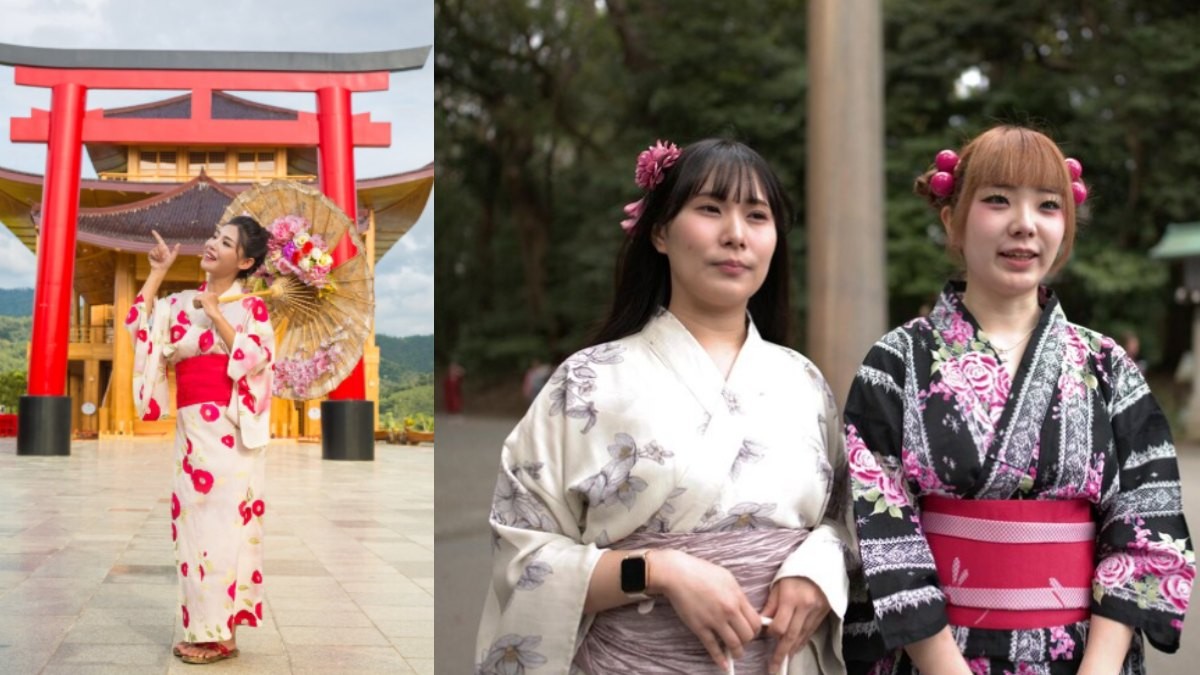
The kimono is perhaps the best known example of traditional Japanese dress. Its name generally refers to a “thing to wear,” and the garment has a particularly T-shaped construction of straight seams and wide sleeves.
Kimonos are typically wrapped around the body with the left side placed over the right and secured with an ‘obi’, a wide decorative sash. Different fabrics, colours, and patterns can communicate the season, occasion, and wearer's age or status.
Related Articles

Yukata and Everyday Tradition
The yukata is a lighter and more casual garment related to the kimono. Traditionally made from cotton, it is particularly associated with summer festivals, fireworks, and hot spring areas.
Yukata are generally simpler and easier to wear than formal kimono. Bright floral, geometric, and seasonal designs are common, making this a popular expression of Japanese summer style.
Colours and Patterns With Meaning
Japanese traditional clothing often uses motifs inspired by nature. Cherry blossoms, cranes, chrysanthemums, waves, bamboo, and maple leaves are among the patterns that appear in textiles.
Related Articles


These designs may have cultural or symbolic associations. Seasonal motifs are especially important, allowing clothing to visually connect the wearer with the time of year.
Colours can also contribute to the overall meaning and aesthetic of an outfit, although interpretations can vary depending on historical period and context.
Traditional Accessories
Accessories are important to complete traditional Japanese outfits. Obi come in all shapes and widths, and decorative cords and obi accessories can add further detail.
Traditional footwear consists of geta and zori, which are usually worn with tabi socks. Sometimes, kanzashi, ornaments used in hair, can also be used for traditional hairstyles, particularly for formal occasions.
Clothing, footwear, hairstyle, and accessories fit together in a way that is in sync.
Clothing for Different Occasions
Japan’s traditional attire includes garments appropriate for various stages of life and social occasions. Formal kimono can be worn for weddings, coming-of-age ceremonies, tea ceremonies, and other important events.
The furisode, recognized for its very long sleeves, is traditionally associated with unmarried young women and is commonly worn on Coming of Age Day.
Men have traditional clothing options as well, including formal kimono and hakama, trousers or skirt-like garments worn over a kimono in some formal settings.
Craftsmanship Behind Japanese Textiles
Traditional Japanese clothing is closely associated with textile craftsmanship. Weaving, dyeing, embroidery, and hand-painting have been developed over centuries.
Silk has historically been associated with formal kimono, while cotton and other fabrics are commonly used for less formal clothing. The amount of craftsmanship involved in some garments can make them highly valued cultural objects as well as clothing.
Japanese Fashion Today
Japanese fashion continues to influence contemporary designers and popular culture. Nowadays, kimono-like silhouettes, obi-like belts, Japanese textile patterns, or traditional dyeing techniques may be included in modern clothing.
At the same time, kimono and yukata remain visible at festivals, ceremonies, and cultural events, helping to keep links with Japan’s clothing heritage.
Conclusion
Traditional Japanese fashion is much more than clothes. Its garments, patterns, colours, textiles, and accessories reflect history, craftsmanship, and cultural traditions. From the formal kimono to the relaxed yukata, these styles continue to provide a distinctive connection between Japan’s past and its contemporary cultural identity.




Comments 0