
Luxury fashion has been associated with brand-new handbags, shoes, watches and designer clothing. But shopping habits are changing. A growing number of consumers are turning to “vintage, pre-owned and resale luxury items” and not simply buying from brands.
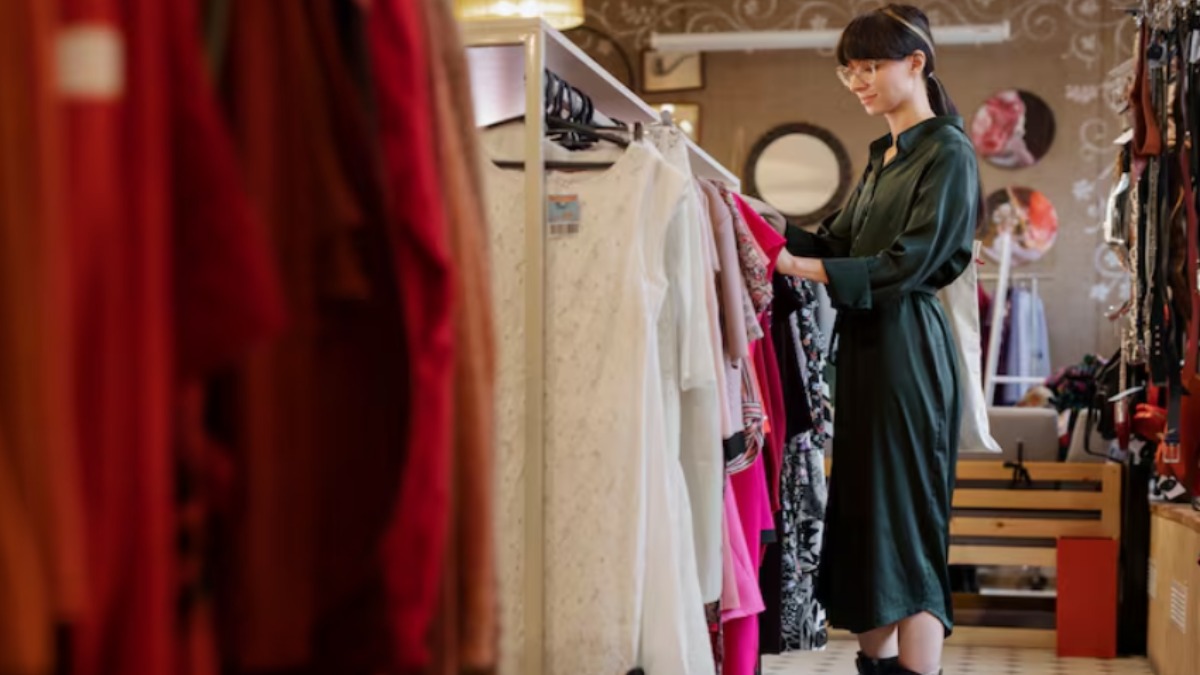
What was once a way to find affordable designer products has become a major fashion movement. Today secondhand luxury provides customers with exclusivity, value, sustainability and individuality.
Vintage Fashion Offers Something Different
Vintage luxury is unique, one of the biggest draws. As opposed to mass-produced seasonal collections, vintage pieces can have distinct designs, materials and craftsmanship that can't be found in contemporary collections.
Related Articles
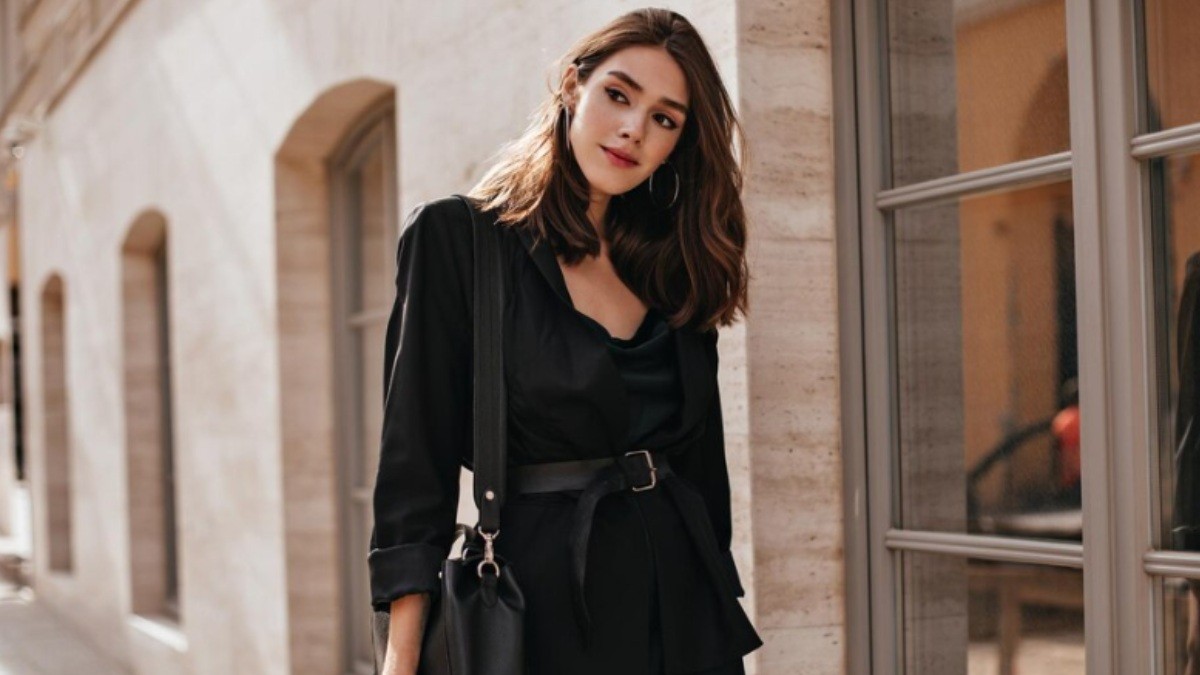
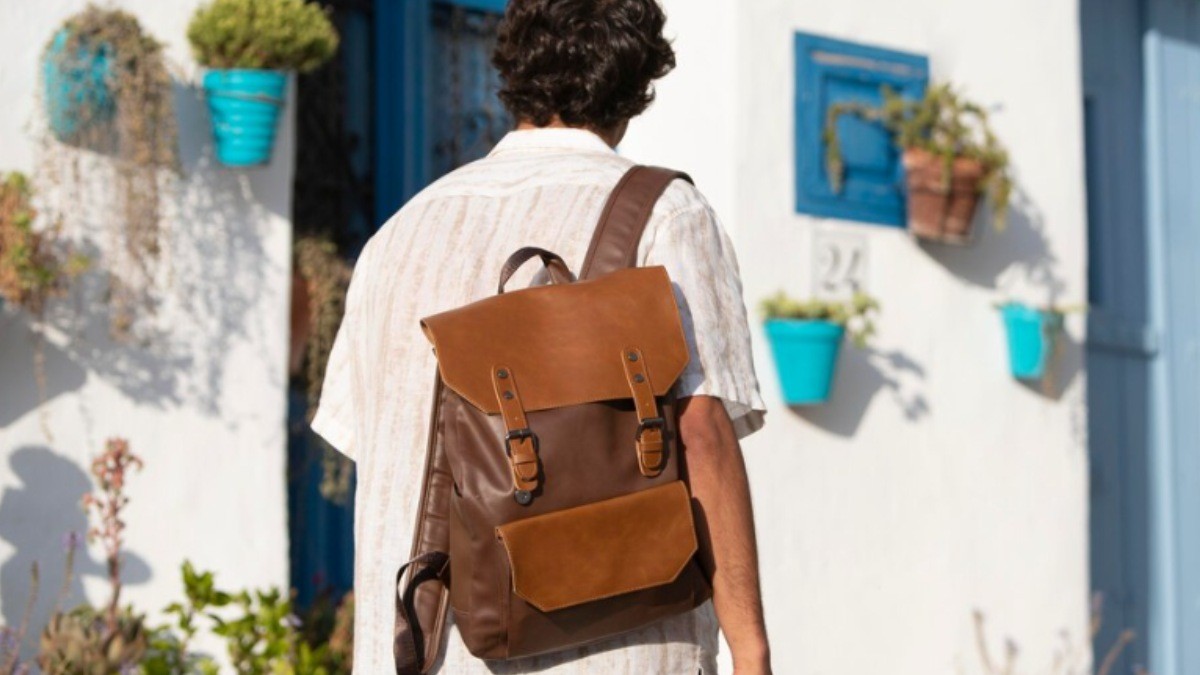
A vintage handbag or watch can also have a story behind it. For fashion enthusiasts, owning something from a particular era can feel more meaningful than purchasing a newly released product.
Resale Can Make Luxury More Accessible
The pricing of luxury goods can be a big barrier for shoppers. Pre-owned marketplaces provide consumers with access to some of the most prestigious brands at lower prices than buying new ones.
Based on the item’s condition, rarity and demand, shoppers can find previously owned designer products at different price points. This has opened up luxury fashion to consumers who would never buy from a luxury boutique.
Related Articles
But buyers should be certain that the item is in good condition, the seller has a good reputation and they can return the product if necessary.
Sustainability Is Influencing Shopping Decisions
Environmental concerns are another reason secondhand fashion is gaining attention. Buying pre-owned items allows existing products to remain in circulation instead of immediately becoming unwanted or discarded.
For environmentally conscious shoppers, extending the useful life of clothing, accessories and other luxury products can seem to be a higher-minded fashion consumption.
Secondhand shopping does not eradicate the environmental effects of fashion but in fact can make consumers choose to think differently about buying, using, and keeping products.
Social Media Is Changing the Resale Culture
Social media also has made vintage and resale fashion more desirable. Influencers, celebrities and fashion designers regularly exhibit vintage handbags, archival clothing and pre-owned designer pieces.
Online groups give shoppers unusual products to buy, compare price points and learn about different fashion generations. A piece that might have been missed once can now be seen as a gamechanger, and if it is featured on social media and made on many occasions, it will become very desirable (at least in the eyes of people).
Collecting Is Becoming Part of Luxury Shopping
For some consumers, secondhand luxury is not just about saving money. It is becoming a form of collecting.
Limited-edition handbags, discontinued designs, vintage watches and archival fashion can appeal to collectors who value rarity and craftsmanship. Some of the most coveted pieces may remain or increase in value at the end of the day, although there is no guarantee that a luxury item will rise in value.
A Shift From Ownership to Conscious Consumption
Resale is a manifestation of a broader shift for consumers about luxury. Rather than buying luxury as the purchase of something new, shoppers are becoming increasingly concerned with “quality, history, rarity and longevity”.
This shift is especially evident in younger consumers, who often want fashion choices to reflect both personal style and broader values.
The Future of Secondhand Luxury
Secondhand luxury will be a part of the fashion industry as resale platforms become more sophisticated and authentication services become more reliable.
The attraction is very clear: shoppers can acquire very distinctive products, spend less than they’d spend on new products and get involved in a more circular fashion business.
Indeed, with the growing popularity of vintage and resale, luxury doesn’t necessarily have to be a brand-new thing. For today’s buyer, “the story, craftsmanship and character behind a product can be just as valuable” as its original price tag.




Comments 0