
Onam Sadya is one of the most celebrated culinary traditions of Kerala. Served on a fresh banana leaf, this elaborate vegetarian feast brings together an impressive variety of flavours, textures and aromas. A traditional Sadya can feature numerous dishes, ranging from tangy pickles and crunchy sides to creamy curries, steamed vegetables, rice preparations and sweet payasam.
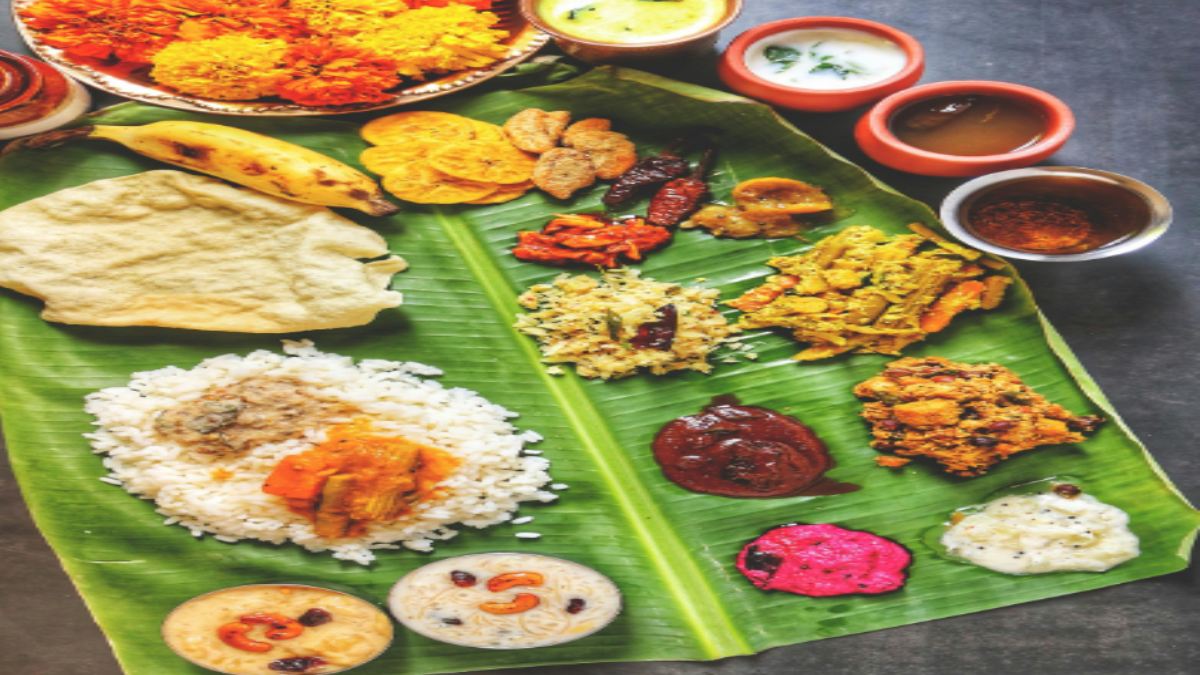
More than just a festive meal, Sadya represents Kerala's traditions of hospitality, togetherness and abundance. During Onam 2026, families and communities will once again gather around banana-leaf meals to enjoy these beloved dishes. While the exact menu can vary from one household or region to another, these 26 traditional Onam Sadya dishes are among the most popular preparations worth trying.
1. Avial
Avial is a classic Kerala mixed-vegetable preparation made with vegetables, coconut, green chilli and yogurt or another souring ingredient. Lightly seasoned with curry leaves and coconut oil, it has a distinctive creamy and mildly tangy flavour.
Related Articles


2. Sambar
A Sadya is rarely complete without sambar. This lentil-based vegetable curry combines pigeon peas, vegetables, tamarind and aromatic spices. It is served generously with rice and forms one of the main components of the feast.
3. Parippu Curry
Parippu curry is a simple yet flavourful lentil dish. Cooked dal is combined with coconut and spices and often finished with a drizzle of ghee. It is traditionally enjoyed with rice during the early part of the Sadya.
4. Olan
Made with ash gourd and cowpeas, olan has a delicate flavour. Coconut milk gives the dish its characteristic creaminess, while green chillies and curry leaves add gentle fragrance.
Related Articles


5. Kalan
Kalan is a thick, tangy curry prepared using raw banana or yam, yogurt and coconut. Its rich consistency and sour flavour make it an important part of many Sadya menus.
6. Pulissery
Pulissery is a yogurt-based curry that can be prepared with ingredients such as ripe mango, pineapple or cucumber depending on the recipe. Coconut and spices add depth to its refreshing flavour.
7. Pachadi
Pachadi combines vegetables or fruits with coconut and yogurt. Pineapple pachadi and cucumber pachadi are popular choices, offering a pleasant balance of sweetness, tanginess and creaminess.
8. Kichadi
Although its name may vary by region, Kerala-style kichadi is generally a yogurt-based preparation made with vegetables such as cucumber or bitter gourd. It provides a cooling contrast to spicier dishes.
9. Thoran
Thoran is a dry vegetable preparation cooked with grated coconut. Cabbage, beans, carrot, beetroot and other vegetables can be used. The dish is lightly spiced and often finished with coconut oil.
10. Mezhukkupuratti
Mezhukkupuratti is a simple stir-fried vegetable preparation. Raw banana, yam, beans or other vegetables can be cooked with spices until tender and lightly roasted.
11. Erissery
Erissery is commonly prepared using pumpkin, yam or other vegetables along with coconut and spices. Some versions include cowpeas, while the combination of sweet and savoury flavours gives the dish its distinctive character.
12. Koottukari
Koottukari is a thick preparation featuring vegetables, legumes and coconut. Raw banana, yam and chickpeas are commonly used. It provides a hearty texture and earthy flavour.
13. Inji Curry
Inji curry, made primarily with ginger, tamarind, jaggery and spices, offers a powerful combination of spicy, sweet and sour flavours. A small serving can add considerable flavour to the meal.
14. Naranga Curry
Naranga curry is a traditional lemon-based pickle-like preparation. Its sharp, salty and tangy taste works particularly well alongside rice and creamy curries.
15. Mango Pickle
A small portion of mango pickle adds heat, saltiness and acidity to the Sadya. Spices and oil give the pickle its characteristic bold flavour.
16. Sharkara Varatti
Sharkara varatti is a popular sweet snack made from raw banana pieces coated in jaggery and spices. It offers a crunchy texture and rich sweetness.
17. Upperi
Upperi, or banana chips, are thin slices of raw banana fried until crisp. They are among the most recognizable accompaniments served with Kerala festive meals.
18. Pappadam
Crisp pappadam provides a satisfying crunch against the soft rice and curries. It is commonly broken into pieces and mixed with different Sadya preparations.
19. Banana
A ripe banana is traditionally included toward the end of the meal and can also be enjoyed alongside certain preparations. It adds natural sweetness and provides a simple transition toward dessert.
20. Steamed Rice
Rice is the central component of the Sadya. Traditionally, generous portions of steamed rice are served on the banana leaf and combined with different curries throughout the meal.
21. Palada Payasam
Palada Payasam is a creamy dessert made using rice ada, milk and sugar. Slow cooking gives it a rich consistency, while cardamom adds fragrance.
22. Ada Pradhaman
Made with rice ada, jaggery and coconut milk, Ada Pradhaman is another iconic Kerala dessert. Its deep sweetness and coconut flavour make it a favourite during Onam.
23. Parippu Payasam
Parippu Payasam combines lentils, jaggery and coconut milk. The earthy flavour of dal pairs beautifully with the sweetness of jaggery and the richness of coconut.
24. Semiya Payasam
Vermicelli, milk, sugar, cardamom, cashews and raisins come together in Semiya Payasam. It is a popular festive dessert that is relatively simple to prepare.
25. Prathaman
The term Prathaman refers to a family of traditional Kerala payasam preparations, often featuring ingredients such as rice, lentils, jaggery and coconut milk. Different households have their own cherished variations.
26. Rasam
Although lighter than many of the rich curries in a Sadya, rasam is an important part of the meal. Its peppery, tangy broth helps refresh the palate and is traditionally enjoyed with rice toward the later stages of the feast.
How Is an Onam Sadya Traditionally Served
One of the most distinctive aspects of Sadya is its presentation. Dishes are arranged on a banana leaf, generally following traditional serving customs. The placement and sequence can vary, but the meal typically progresses from smaller accompaniments and curries to rice-based servings and finally desserts.
The feast is designed to provide a balance of sweet, sour, salty, spicy and mildly bitter flavours. Different textures—from crisp banana chips and pappadam to creamy curries and soft rice make every mouthful unique.
The Cultural Importance of Sadya
Onam Sadya reflects Kerala's culinary heritage and the spirit of community associated with the festival. Families often prepare several dishes together, while large community celebrations may serve Sadya to hundreds or even thousands of people.
The emphasis is not simply on the quantity of food but on sharing, hospitality and togetherness. Eating from a banana leaf and experiencing multiple traditional dishes also connects modern celebrations with Kerala's culinary customs.
From avial, olan and thoran to crunchy upperi, pappadam and traditional payasam, an Onam Sadya offers an extraordinary variety of Kerala flavours in a single meal. These 26 dishes showcase the diversity of ingredients and cooking techniques that make the Sadya so special.
Whether you are celebrating Onam 2026 at home, attending a community feast or visiting Kerala during the festival season, trying these traditional dishes is a wonderful way to experience the state's rich food culture. The true magic of Sadya lies in bringing people together around a banana leaf filled with delicious food, shared memories and festive joy.

Comments 0