
If your child seems to catch a cold, cough or other common infections frequently, you may naturally wonder whether their immunity needs extra support. Children are exposed to a wide range of viruses and bacteria as they grow, particularly when they attend school, daycare or participate in group activities. Frequent minor illnesses can sometimes be a normal part of childhood, but everyday habits can play an important role in supporting overall health.
According to child-health guidance shared by Dr Silky Jain, parents can focus on simple, consistent lifestyle practices rather than looking for quick fixes. A child’s immune system is supported by several factors, including nutritious food, adequate sleep, physical activity, hygiene and a healthy daily routine.
Here are five everyday habits parents can encourage.
Related Articles


1. Make a balanced diet a daily priority
Good nutrition provides the body with the nutrients it needs for normal growth and immune function. Instead of focusing on a single “immunity-boosting” food, aim to offer children a varied diet.
Include colourful fruits and vegetables, whole grains, pulses, beans, dairy or suitable alternatives, nuts and seeds where age-appropriate, and protein-rich foods such as eggs, fish, poultry or legumes.
Vitamin and mineral deficiencies can affect health, so children should receive adequate nutrition through a balanced diet. Foods rich in vitamin C, vitamin A, zinc, iron and other essential nutrients can be included as part of regular meals.
Related Articles


Try to limit the routine consumption of highly processed snacks, sugary drinks and foods with little nutritional value. These foods do not need to be completely banned, but they should not routinely replace nutritious meals and snacks.
2. Protect their sleep routine
Sleep is often overlooked when parents think about immunity. Children need considerably more sleep than adults because their bodies and brains are still developing.
Maintaining a consistent bedtime and wake-up schedule can help children get adequate rest. A calming bedtime routine, reduced screen exposure before sleep and a comfortable sleeping environment can also encourage better sleep habits.
The amount of sleep a child needs varies with age. Younger children generally require more sleep than school-age children and teenagers, so parents should follow age-appropriate recommendations.
A well-rested child may also find it easier to concentrate, regulate emotions and remain physically active during the day.
3. Encourage regular physical activity
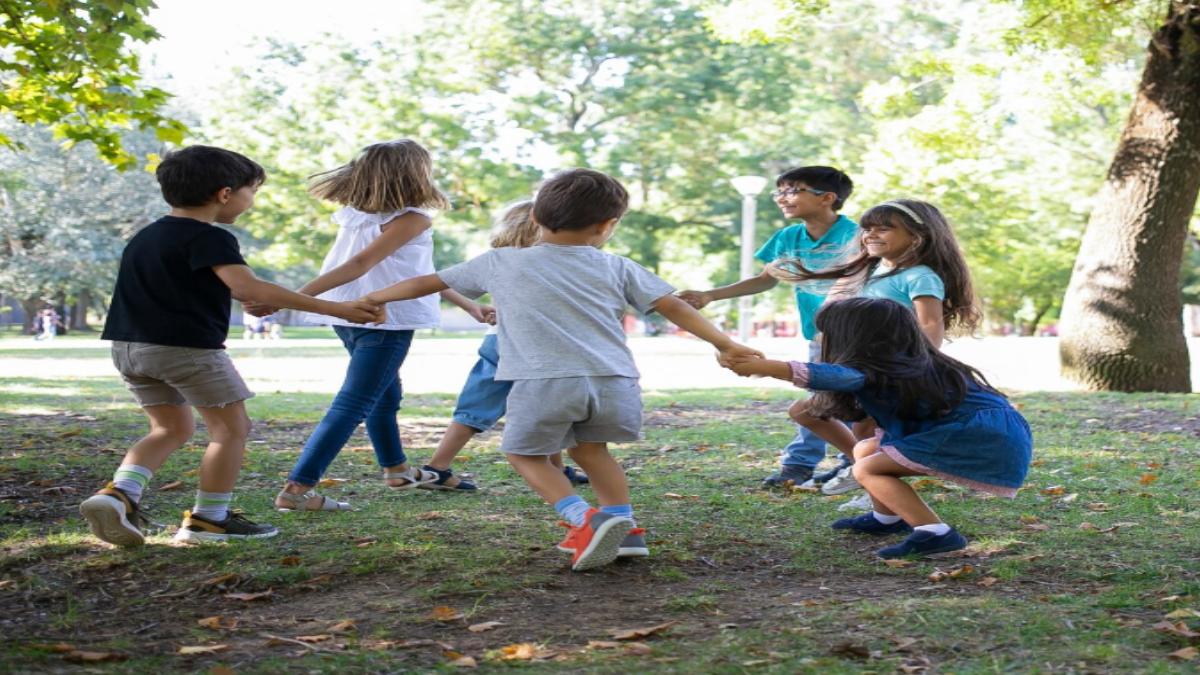
Children are naturally active, and encouraging movement is an important part of a healthy lifestyle. Outdoor play, walking, cycling, swimming, dancing and age-appropriate sports can help children remain physically active.
Regular physical activity supports cardiovascular fitness, muscle and bone development and overall wellbeing. It can also contribute to maintaining a healthy weight.
Rather than treating exercise as a strict workout, make movement enjoyable. Playing outdoors with friends or family can help children develop an active lifestyle without making it feel like a chore.
4. Teach good hygiene habits
Good hygiene can help reduce exposure to germs and lower the spread of infections. One of the simplest habits is regular handwashing.
Teach children to wash their hands with soap and water, particularly before eating and after using the toilet, playing outdoors, coughing or sneezing, and returning home from public places.
Children should also be encouraged to avoid touching their eyes, nose and mouth unnecessarily and to cover coughs and sneezes appropriately.
However, hygiene should be balanced with normal childhood activities. Children do not need to live in a completely germ-free environment. The goal is to practise sensible hygiene and reduce the spread of infectious illnesses.
5. Build a healthy, consistent routine
Children generally benefit from predictable routines that include nutritious meals, adequate sleep, physical activity, school or learning time and opportunities for relaxation and play.
Stress can affect overall wellbeing, so emotional health deserves attention too. Give children opportunities to talk about their feelings, spend quality time with family and enjoy hobbies and social activities.
A supportive home environment can contribute to healthy development and help children establish habits that continue into adulthood.
Should parents give immunity supplements
Many parents turn to multivitamins, herbal products or “immunity boosters” when their child falls sick frequently. However, supplements are not automatically necessary for every child.
Children should generally obtain nutrients from a balanced diet whenever possible. Supplements may be appropriate in certain circumstances, such as a diagnosed nutritional deficiency or when recommended by a paediatrician.
Parents should avoid giving children supplements, herbal preparations or high-dose vitamins without professional advice. More is not necessarily better, and some nutrients can be harmful in excessive amounts.
When should frequent illness be checked by a doctor
Frequent minor infections do not necessarily mean that a child has a weak immune system. Children can experience several infections each year, particularly during the early years and when they are regularly around other children.
However, parents should speak with a paediatrician if illnesses are unusually severe, persistent, recurrent in a concerning pattern or associated with poor growth, unexplained weight loss, prolonged fever, breathing difficulties or other worrying symptoms.
A healthcare professional can assess the child’s growth, nutrition, medical history and symptoms and determine whether further evaluation is needed.
Supporting a child’s immune health does not require complicated routines or expensive products. A balanced diet, adequate sleep, regular physical activity, good hygiene and a consistent daily routine can provide a strong foundation for overall health.
Rather than focusing on preventing every cough or cold, parents can concentrate on helping children develop healthy habits that support their growing bodies. If your child is repeatedly experiencing severe or unusual infections, however, consult a paediatrician instead of relying solely on home remedies or supplements.
Every child is different, and personalised medical advice is especially important when there are concerns about growth, nutrition, recurrent infections or immunity.

Comments 0