
An aging spine can be subject to natural changes, but that does not mean back and neck pain will always happen. Spinal discs lose some of their water content, muscles become weaker and joints become stiffer as you age. These changes can affect mobility and make things harder in everyday life.
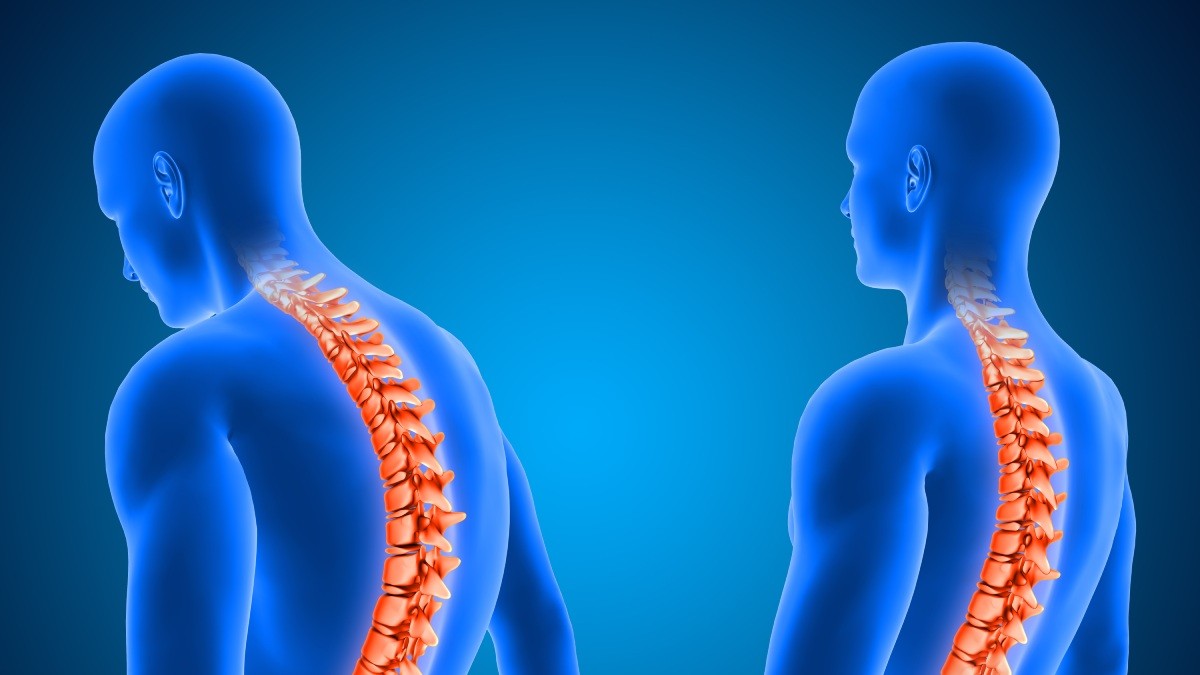
But muscle strength, flexibility and healthy habits can help with spinal health as we get older.
Dr Pushkar Chawla, director and unit head of orthopaedics at ShardaCare-Healthcity, said that regular exercise, good posture, healthy body weight and proper nutrition are important for the spine. He also stressed the need for sleep and proper medical evaluation.
Related Articles


What are the six ways to protect your spine as you age?
1. Make Exercise Routine.
In exercise, the muscles that support the spine and maintain flexibility are strengthened.
Low-impact activities like walking, swimming, cycling and yoga can help people stay active without putting too much pressure on their joints. Strength training is also essential: core, back, hips and legs exercises are good for that.
Related Articles


Exercise routines should be based on a person’s age, physical health and medical condition. Older adults should not do heavy workouts suddenly or lift heavy weights without training.
People who have back problems or osteoporosis will need to consult a medical professional.
2. Maintain Good Posture And Avoid Sitting For Too Long
Sitting in a slouched position can make you feel uncomfortable and stiff. For people who work at a desk, you should also make sure that you are on a regular movement break and that you have to keep your position appropriate.
At all times, keep your back supported, place your feet flat on the floor and place your computer screen at approximately eye level. Try to stand, stretch or walk briefly every 30 to 60 minutes.
Lifting technique is that much more important. When you pick up an object, bend your knees, keep the object close to your body and avoid twisting your back while lifting.
Such small adjustments would help in reducing unnecessary strain when working in everyday life.
3. Maintain A Healthy Body Weight
Body weight can influence the amount of mechanical stress placed on the spine. Additional weight may increase the load on the back and can contribute to difficulties in managing existing back problems.
What’s more: A healthy weight is maintained by eating healthy and getting active in a sustainable way, which promotes mobility and overall musculoskeletal health.
But weight loss should focus on sustainable habits. It’s much more practical for long-term health to eat regular meals, make healthy food choices and maintain movement.
If people have chronic back pain, then they should seek medical help, and not assume that weight is the only factor.
4. Get Enough Protein, Calcium And Vitamin D
Nutrition is essential for muscles and bones to function. Protein is necessary for muscle maintenance, while calcium and vitamin D assist in bone health.
As people get older, bone strength becomes necessary because osteoporosis can weaken bones and increase the risk of fractures, including fractures in the vertebrae.
A balanced diet can include dairy products or suitable substitutes, pulses, beans, eggs, fish and other protein-rich foods. Some people may also require additional sources of calcium or vitamin D, depending on their diet and medical needs.
Supplements are not necessary for everyone. If you suspect a deficiency or have a condition affecting bone health, consult a healthcare professional before starting supplements.
5. Pay Attention To Sleep And Your Sleeping Position
Sleep allows us to rest and recover. When the spine is under stress or the mattress is uncomfortable, or you are in a position that makes it uncomfortable to sleep, stiffness in the morning may be too much for some people.
A mattress and pillow that are comfortable will allow you to maintain a relatively neutral spinal position. If you wake up frequently with back pain or neck pain, consider whether your sleeping situation is contributing to the problem.
But persistent discomfort should not be blamed on the mattress: recurring pain or worsening pain should be treated with medical assessment to clarify the cause.
6. Do Not Ignore Persistent Or Worsening Back Pain
Occasionally, there can be aches after exercise or sitting for long hours. But persistent, recurring or worsening pain should not be discounted as an inevitable part of aging.
An orthopaedic assessment might help to determine the cause and whether treatment, physiotherapy or lifestyle changes are appropriate.
Certain symptoms require immediate medical attention, including back pain with weakness or numbness, difficulty walking, loss of bladder or bowel control, unexplained weight loss or pain after a fall.
Sudden loss of bladder or bowel control, especially in the wake of new leg weakness or numbness around the groin, requires emergency medical assessment.
Early evaluation can help identify serious conditions and reduce the risk of complications.
Healthy Habits Can Support Your Spine As You Age
Spinal changes are a normal part of aging, but habits can affect mobility, strength and comfort. Good posture, a balanced diet, healthy body weight and adequate sleep are all factors that contribute to overall musculoskeletal health.
The most important step is consistency. Small changes, such as taking movement breaks during work, including strength exercises in your routine and paying attention to persistent pain, can support long-term spinal health.


Comments 0