
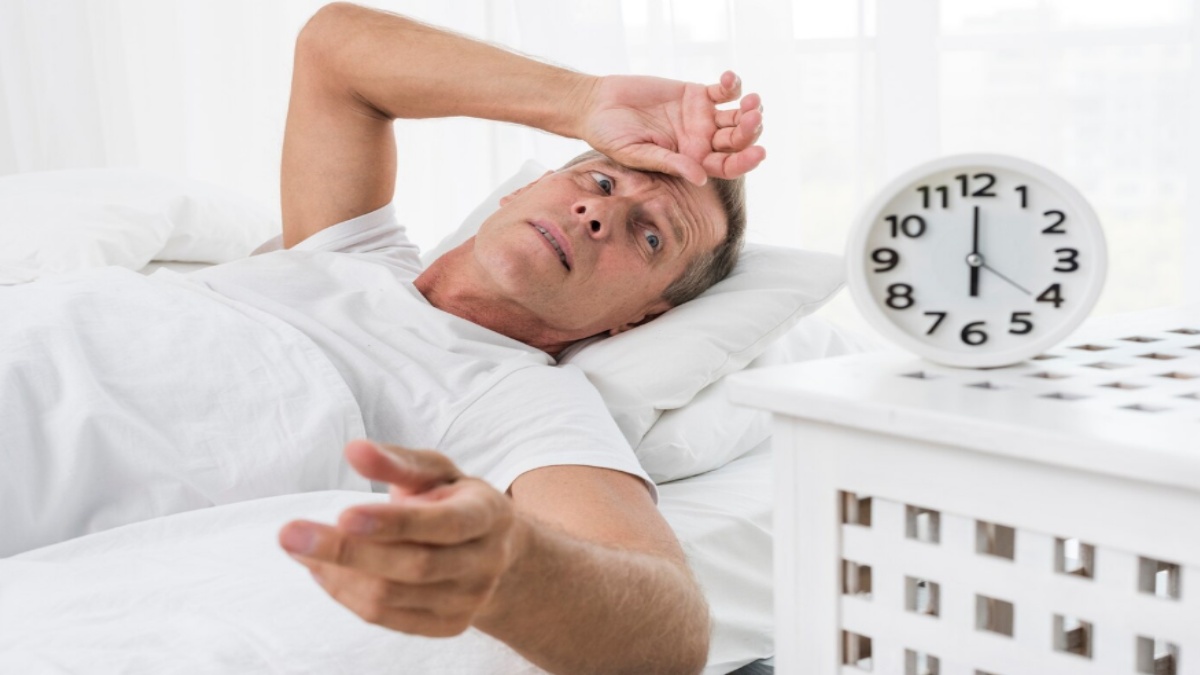
It is 2 AM, the room is dark, your body is tired, but your brain seems determined to stay awake. Thoughts about work, relationships, tomorrow’s schedule or something that happened earlier in the day can suddenly feel much louder at night. If this sounds familiar, a simple eye-based relaxation technique discussed in sleep and neuroscience conversations may be worth trying.
Stanford neuroscientist and science communicator Andrew Huberman has frequently discussed practical strategies for improving sleep and regulating the nervous system. Among the techniques associated with relaxation is the idea of using slow, controlled eye movements to encourage a calmer state before sleep.
The technique should not be viewed as a guaranteed “off switch” for the brain. However, deliberately shifting attention away from racing thoughts and toward slow physical sensations can be useful for some people.
Related Articles


What Is the Eye Trick
One commonly discussed approach involves keeping the head still and gently moving the eyes from side to side. The movement should be slow and comfortable rather than exaggerated or forced.
The basic idea is to give the brain a simple, repetitive task to focus on. Instead of mentally replaying conversations or worrying about tomorrow, you concentrate on the physical movement of your eyes.
Try sitting or lying comfortably with your head relaxed. With your eyes open or gently closed, depending on what feels comfortable, slowly move your gaze from one side to the other. Keep the movement easy and avoid straining your eyes.
Related Articles


After several slow repetitions, allow your eyes to settle naturally and return your attention to your breathing.
If the technique feels uncomfortable, stop. There is no need to force the movement.
Why Might It Help
Eye movements are closely connected with brain systems involved in attention, arousal and sleep. More broadly, relaxation techniques can work by interrupting repetitive thinking and redirecting attention toward the present moment.
When someone is lying awake and worrying about not sleeping, a frustrating cycle can develop: “I need to sleep” leads to more anxiety, which makes falling asleep even harder.
A simple exercise can provide something neutral to focus on, potentially reducing the mental effort associated with trying to fall asleep.
That does not mean eye movements directly “shut off” the brain. Sleep is a complex biological process influenced by the circadian rhythm, sleep pressure, light exposure, stress, temperature and many other factors.
Try Combining It With Slow Breathing
The eye technique may be even more relaxing when paired with slow, comfortable breathing.
Lie down and allow your shoulders and jaw to relax. Take a gentle breath in and slowly breathe out. Repeat several times without trying to make every breath perfect.
Then introduce slow side-to-side eye movements for a short period.
The goal isn't to force yourself to fall asleep. Instead, think of it as creating conditions in which your body and mind can relax.
Your Bedtime Habits Still Matter
A sleep trick cannot compensate for consistently poor sleep habits. If you regularly struggle to fall asleep, look at your overall nighttime routine.
Keeping a relatively consistent sleep and wake schedule can help reinforce your body's internal clock. Reducing bright light exposure late at night, limiting caffeine later in the day and creating a cool, quiet bedroom can also support better sleep.
Heavy meals, alcohol and stimulating activities close to bedtime may interfere with sleep for some people as well.
Another useful strategy is to avoid repeatedly checking the clock. Watching the minutes pass can increase anxiety and make sleep feel like a test you are failing.
What If You Still Can't Sleep
If you have been awake for a long time and feel increasingly frustrated, continuing to lie in bed and fight sleep may not be helpful. Sleep specialists often recommend getting out of bed for a quiet, relaxing activity in dim light and returning when you feel sleepy.
Reading something calming, practising gentle breathing or listening to quiet audio may be preferable to scrolling through social media or watching stimulating videos.
Importantly, persistent sleep difficulties should not simply be dismissed as a lack of discipline.
When to Talk to a Doctor
Occasional sleepless nights are common. However, frequent difficulty falling asleep, staying asleep or waking too early can be signs of insomnia or another underlying issue.
Loud snoring, gasping during sleep, significant daytime sleepiness, restless legs, persistent anxiety or other symptoms may also warrant professional evaluation.
The eye technique is best considered a relaxation strategy, not a medical treatment.
Being awake at 2 AM with a racing mind can be frustrating, but you don't necessarily need an elaborate routine to begin calming down. A simple eye-movement exercise, combined with slow breathing and a relaxing sleep environment, may give your attention something neutral to focus on.

Comments 0