
Mosquitoes are more than an irritating household nuisance. Their bites can transmit illnesses such as dengue, malaria, chikungunya, Japanese encephalitis and other infections. As a result, mosquito repellents are commonly used in homes and outdoors, particularly during warmer and rainy months.
However, not every mosquito-control product works in the same way, and the way a product is used can influence its safety. Internal medicine expert Dr Chirag Tandon has highlighted the importance of understanding the differences between mosquito repellents and using them according to their instructions rather than assuming that every product is equally safe for everyone.
What Are Mosquito Repellents
Mosquito repellents are products designed to reduce the likelihood of mosquitoes landing on or biting people. They are available in several forms, including creams and lotions applied to the skin, sprays, electric vaporisers, mosquito coils, patches and other devices.
Related Articles


Different products contain different active ingredients and work through different mechanisms. Therefore, their safety profile can vary depending on the ingredients, concentration, duration of exposure and how the product is used.
Skin-Applied Repellents
Topical repellents are applied directly to exposed skin or, depending on the product, clothing. Ingredients such as DEET, picaridin and certain plant-derived substances are used in mosquito-repellent products.
When used according to the label, registered repellents can provide effective protection. However, users should avoid applying them to broken or irritated skin and should follow directions regarding how much product to use.
Related Articles


It is also important to avoid getting repellent into the eyes or mouth. Hands should generally be washed after applying the product, particularly before eating.
Children require additional care. Parents and caregivers should check the product label for age restrictions and follow recommended application instructions.
Mosquito Coils and Smoke-Based Products
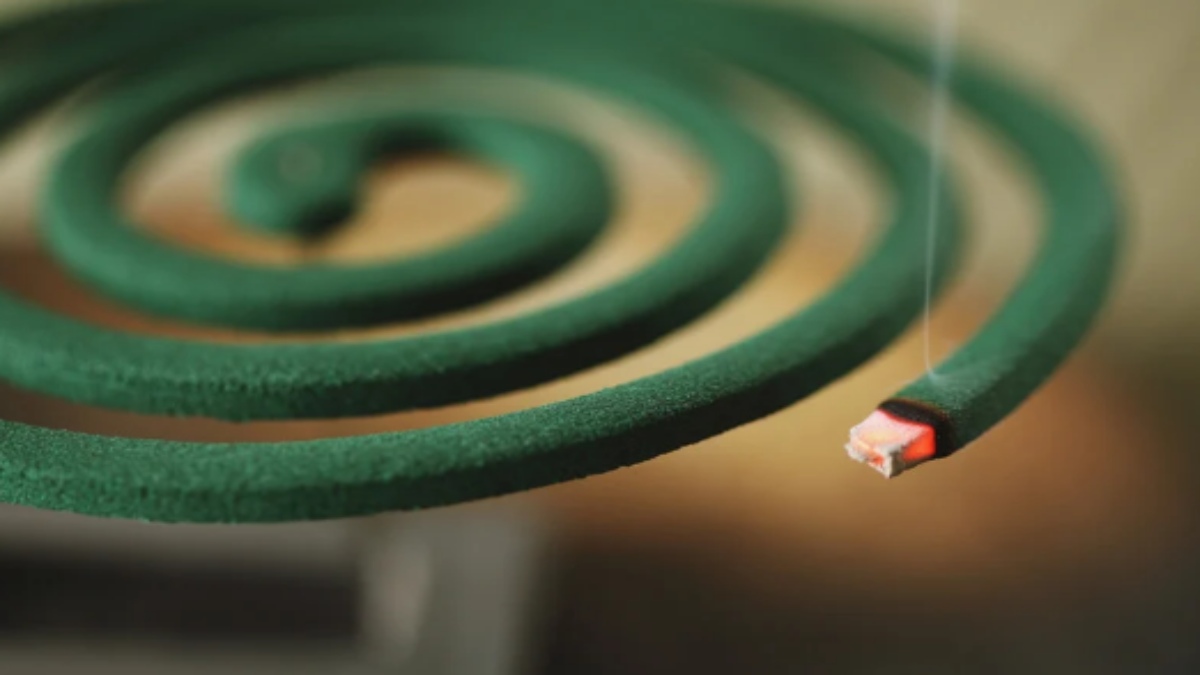
Mosquito coils are widely used in many households because they can provide protection in an outdoor or semi-enclosed area. However, they produce smoke and particulate matter when burned.
Using coils in poorly ventilated rooms can expose people to irritating smoke and may worsen respiratory symptoms in susceptible individuals. They should therefore be used carefully and according to the manufacturer's instructions, with adequate ventilation and appropriate placement away from flammable materials.
A mosquito coil should never be left burning unattended.
Electric Vaporisers
Electric liquid vaporisers and other plug-in devices release mosquito-repellent chemicals into the surrounding air. They are commonly used indoors, but correct placement and ventilation remain important.
Users should follow the instructions supplied with the device and avoid modifying the product or using refills that are not intended for that particular device.
Keeping such products away from children and pets and ensuring electrical devices are used safely are also important precautions.
Natural Does Not Always Mean Risk-Free
Many consumers prefer products marketed as natural or herbal. Ingredients such as citronella and certain essential oils may offer some mosquito-repellent properties, but "natural" does not automatically mean harmless or equally effective.
Essential oils can cause skin irritation or allergic reactions in some people, particularly when used in concentrated form. Products intended for mosquito protection should be used according to their formulation and label rather than applying undiluted essential oils directly to the skin.
How to Use Repellents More Safely
Regardless of the product, responsible use is essential. Read the label before using a repellent and follow the recommended quantity and frequency. Avoid applying more product than necessary, as excessive use does not necessarily provide better protection.
For topical products, apply only to exposed areas as directed. Do not apply repellent to cuts, wounds or irritated skin. When using sunscreen and a topical mosquito repellent, follow the product instructions and apply each product appropriately.
Physical protection should also be part of mosquito prevention. Wearing long sleeves and trousers, using window screens and eliminating standing water around the home can reduce mosquito exposure.
When to Seek Medical Advice
If you develop symptoms such as high fever, severe headache, persistent vomiting, unusual bleeding, breathing difficulty, confusion or significant weakness after possible mosquito exposure, seek medical attention promptly. Symptoms of mosquito-borne illnesses can vary, and early medical assessment may be important.
Similarly, anyone who develops significant skin irritation, breathing problems or other concerning symptoms after using a repellent should stop using the suspected product and seek appropriate medical advice.
Mosquito repellents are useful tools for preventing bites, but they are not necessarily interchangeable. Different products have different active ingredients, methods of exposure and precautions. A product that is appropriate for one setting may not be ideal for another.
The safest approach is to choose a reputable, appropriately labelled product, use it exactly as directed and combine repellents with other mosquito-control measures. Rather than asking whether all mosquito repellents are equally safe, consumers should consider the type of product, its ingredients, how it will be used and who will be exposed to it.
Most importantly, preventing mosquito bites is about more than comfort. In areas where mosquito-borne diseases are circulating, sensible protection can be an important part of reducing infection risk.


Comments 0