
Alcohol consumption is known to be very harmful to health but do beer, wine and whisky affect the human body in the same way over time? A major study of more than 3.4 lakh people has highlighted how different types of alcoholic drinks may have different health outcomes: type of alcohol consumed as well as quantity and frequency of drinking could be associated with risk of death from different causes.
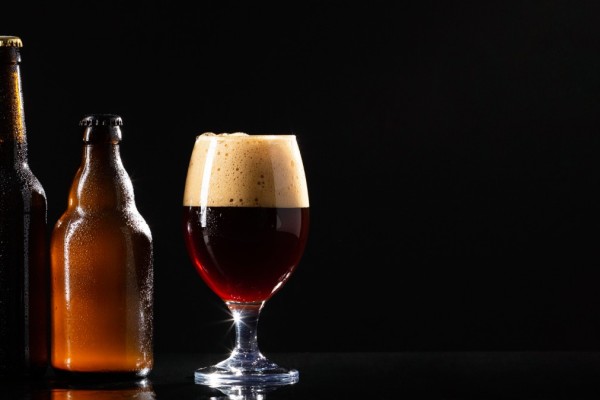
The results have re-ignited debate about alcohol consumption, cardiovascular health and cancer risks but experts say they should not be seen as proof that any alcoholic drink is completely safe.
Study Analyses Health Data of More Than 3.4 Lakh People
The health information was collected from 340,924 people in the UK Biobank. The average age of participants was about 56 years. Researchers looked at consumption patterns for beer, cider, wine and spirits (whisky and brandy). The health outcomes were tracked over a period of about 13.4 years. During follow-up 22,381 participants died.
Related Articles


The study was published in Nutrition Journal in 2026. The researchers wanted to know whether different categories of alcoholic beverages were associated with different risks of overall mortality, cardiovascular disease-related deaths and cancer-related deaths. Because there were so many participants and follow-up was long enough the research made an important contribution to ongoing discussion about alcohol related health risks.
Beer and Cider Consumption Linked to Higher Health Risks
Higher alcohol intake was associated with increased risk of overall mortality, cardiovascular disease-related deaths and cancer-related deaths. Beer and cider consumption showed a particularly worrying pattern: the more you drink the higher your risk of dying.
Other research found that certain cancer risks were linked to beer and cider consumption even at low levels. These results show that alcohol-related health risks aren’t just about heavy drinking regular consumption (depending on amount and individual health factors) can also lead to long term health problems.
Related Articles


Beer is generally thought to be a harmless alcoholic beverage because it has less alcohol than spirits but the total amount of alcohol consumed is still important frequent beer drinking leads to liver disease, cardiovascular problems and certain cancers. The study reiterates that caution is needed rather than assuming that beer is safer than other alcoholic drinks.
Whisky, Brandy and Other Spirits Also Raise Concerns
The study also looked at the consumption of spirits (whisky, brandy and other distilled alcoholic beverages). Low to moderate consumption of spirits was associated with increased health risks in certain categories.
Higher spirits consumption was also associated with higher overall mortality and deaths from cardiovascular disease and cancer. Spirits are generally more concentrated than beer or wine so it is easier for people to drink a lot of alcohol in a short time period.
Long-term alcohol consumption has been linked to liver damage, high blood pressure, heart disease and certain cancers. Consumers should not assume that moderate whisky or other spirits drinking is safe because it’s “not as bad for you.”
Does Wine Consumption Carry a Lower Risk?
Wine consumption yielded somewhat different results in the study. Low to moderate wine drinking was associated with a lower overall mortality risk and certain health-related deaths as well.
Red wine in particular was associated with a lower risk of CVD-related mortality at low to moderate consumption levels. Some researchers have previously looked into whether compounds (polyphenols) present in red wine may contribute to cardiovascular health.
However the study also showed that higher wine consumption was linked to increased health risks (cancer mortality). Higher red and white wine consumption was linked to certain adverse outcomes.
These results don’t mean wine protects the heart or that people should start drinking wine for health reasons; associations may be affected by other things (diet, socioeconomic status, lifestyle choices and existing health conditions).
Is Drinking Alcohol With Meals Safer?
Another interesting finding from the study was that alcohol consumption with meals was associated with a lower risk of mortality in some analyses.
But this doesn’t mean that drinking alcohol with meals is safe or healthy food may affect how much alcohol you absorb but it doesn’t get rid of the effects of alcohol on your body. Alcohol can still cause liver disease, cancer and other chronic conditions whether it’s taken before, during or after a meal.
The researchers’ observations therefore need to be interpreted with caution. An association between drinking with meals and a lower mortality risk does not mean that the practice itself provides a protective health effect.
What Is the Main Health Warning?
The study was observational (associations between alcohol use and health outcomes were looked at but not cause and effect). Other lifestyle factors could have influenced the results too (diet, physical activity, smoking habits, socioeconomic status).
The findings also don’t prove that wine is good for you or beer and whisky kill people directly; they simply add to the evidence that different patterns of alcohol consumption could lead to different health outcomes.
The World Health Organization has said many times that no level of alcohol consumption is completely risk free for health. Alcohol causes several diseases (including cancers) and reducing consumption lowers the risks associated with it.
In conclusion, the large-scale study of more than 3.4 lakh people shows how complex the relationship is between different alcoholic beverages and long-term health wine had comparatively favourable associations in some analyses but shouldn’t be considered a healthy drink either; beer, cider, whisky, brandy etc can all have health risks too. The safest way to protect long term health is to avoid alcohol or reduce it as much as possible.




Comments 0