
Strength training is no longer just associated with bodybuilders or competitive athletes. For women of all ages and fitness levels, resistance exercise can be an important part of a balanced fitness routine. It can help improve muscle strength, support bones, enhance balance and make everyday activities easier.
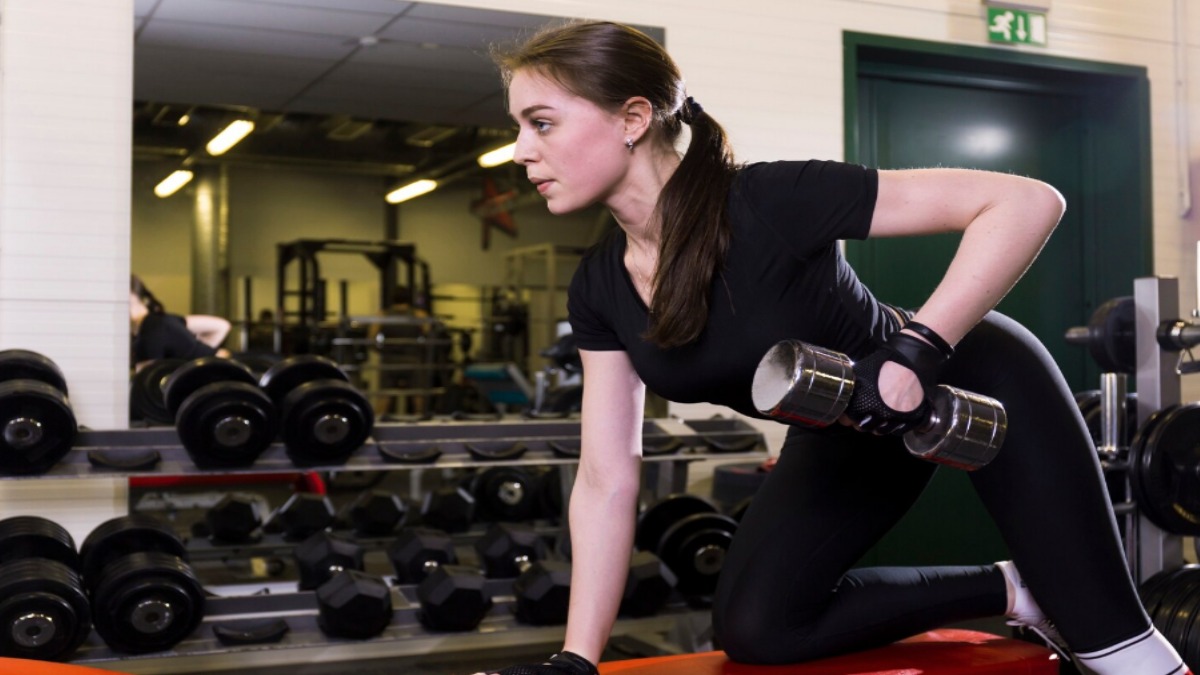
For beginners, however, walking into a gym filled with unfamiliar equipment can feel intimidating. The good news is that you do not need a complicated workout to get started. A few basic movements can train many of the body's major muscle groups and provide a strong foundation for future progress.
Here are five beginner-friendly strength training exercises every woman should know, along with tips for performing them safely.
Related Articles


1. Bodyweight Squats
The squat is a fundamental movement that works the muscles of the legs and hips while also challenging the core.
How to do it
Stand with your feet approximately hip- to shoulder-width apart. Keep your chest comfortably lifted and your core gently engaged. Bend your knees and push your hips backward as though you are sitting into a chair.
Lower yourself only as far as you can comfortably maintain good form. Then push through your feet to return to standing.
Related Articles


Beginner tip
If a full squat feels difficult, place a chair behind you and practise sitting down and standing up with control.
As you become stronger, you can progress to holding a dumbbell or using another appropriate form of resistance.
2. Wall or Incline Push-Ups
Push-ups strengthen the chest, shoulders and arms while also engaging the core.
Traditional floor push-ups can be challenging for beginners, so starting against a wall or sturdy elevated surface is an excellent option.
How to do it
Place your hands on a wall or stable elevated surface slightly wider than your shoulders. Step your feet back and maintain a straight line through your body.
Bend your elbows and bring your chest toward the surface. Push away until your arms are comfortably extended.
Beginner tip
Choose an elevation that allows you to perform the movement with control. As you gain strength, progress gradually from wall push-ups to a lower incline and eventually to floor push-ups if appropriate.
3. Glute Bridges
Glute bridges target the muscles around the hips and buttocks while also encouraging control through the core.
How to do it
Lie on your back with your knees bent and your feet flat on the floor. Keep your arms comfortably by your sides.
Engage your abdominal muscles and squeeze your glutes as you gently lift your hips from the floor. Pause briefly at the top without excessively arching your lower back, then lower your hips slowly.
Beginner tip
Focus on controlled movement rather than lifting your hips as high as possible. The goal is to use the muscles around the hips rather than creating momentum.
4. Dumbbell Rows
Rows are useful for strengthening the upper back and arms. Developing pulling strength is particularly helpful because many everyday activities involve carrying, pulling and lifting.
How to do it
Hold a light dumbbell in each hand or begin with one dumbbell at a time. Hinge slightly at your hips while keeping your back in a comfortable neutral position.
Pull the weight toward your ribs while keeping your elbow relatively close to your body. Lower the weight slowly and repeat.
Beginner tip
Start with a light weight that allows you to maintain good technique. Avoid using momentum or shrugging your shoulders toward your ears.
If you do not have dumbbells, resistance bands can provide another option.
5. Step-Ups
Step-ups combine lower-body strength with balance and functional movement.
How to do it
Use a sturdy, low step or platform. Place one foot securely on the step and press through that foot to rise. Bring the other foot up, then carefully step back down.
Alternate legs or complete several repetitions on one side before switching, depending on your training plan.
Beginner tip
Choose a low platform initially. Make sure it is stable and that you have enough space around you. Hold onto a suitable support if you need help with balance.
How Often Should Beginners Strength Train
Beginners do not need to train for hours every day.
A simple full-body strength routine performed two or three times per week can be a practical starting point for many healthy adults. Allowing recovery between challenging sessions gives the body time to adapt.
Start with a manageable number of repetitions and focus on technique. As the exercises become easier, gradually increasing resistance, repetitions or difficulty can provide a new training stimulus.
Focus on Form Before Weight
One of the most important principles for beginners is to learn the movement before adding significant resistance.
Good form does not mean every repetition will look identical for every person. Body proportions, mobility, previous injuries and fitness levels can influence how an exercise should be performed.
If you are unsure about technique, consider working with a qualified fitness professional or physiotherapist.
Safety Tips for Beginners
Warm up with several minutes of comfortable movement before exercising. Start with resistance that allows you to maintain control and stop if you experience sharp or unusual pain.
If you have a medical condition, recent injury, are pregnant or have been inactive for a long period, speak with an appropriate healthcare professional before beginning a new exercise program.
Adequate sleep, hydration and nutrition are also important components of recovery.
You do not need a complicated gym routine to begin strength training. Squats, incline push-ups, glute bridges, dumbbell rows and step-ups provide a simple foundation for developing full-body strength.
Start slowly, prioritise technique and increase the challenge gradually. With consistency, strength training can become much more than another item on your fitness checklist it can help you feel stronger, more capable and more confident in everyday life.

Comments 0