
Corn, also known as maize, has been regarded as one of the most widely consumed grains in the world and is frequently prepared in various forms (cooked corn, roasted corn, popcorn, corn soup and salads). Corn is delicious and versatile and has a great deal of nutrition in it, so that it can be added to a healthy diet. Corn is rich in fiber, vitamins, minerals and antioxidants which have many health benefits for all age groups.
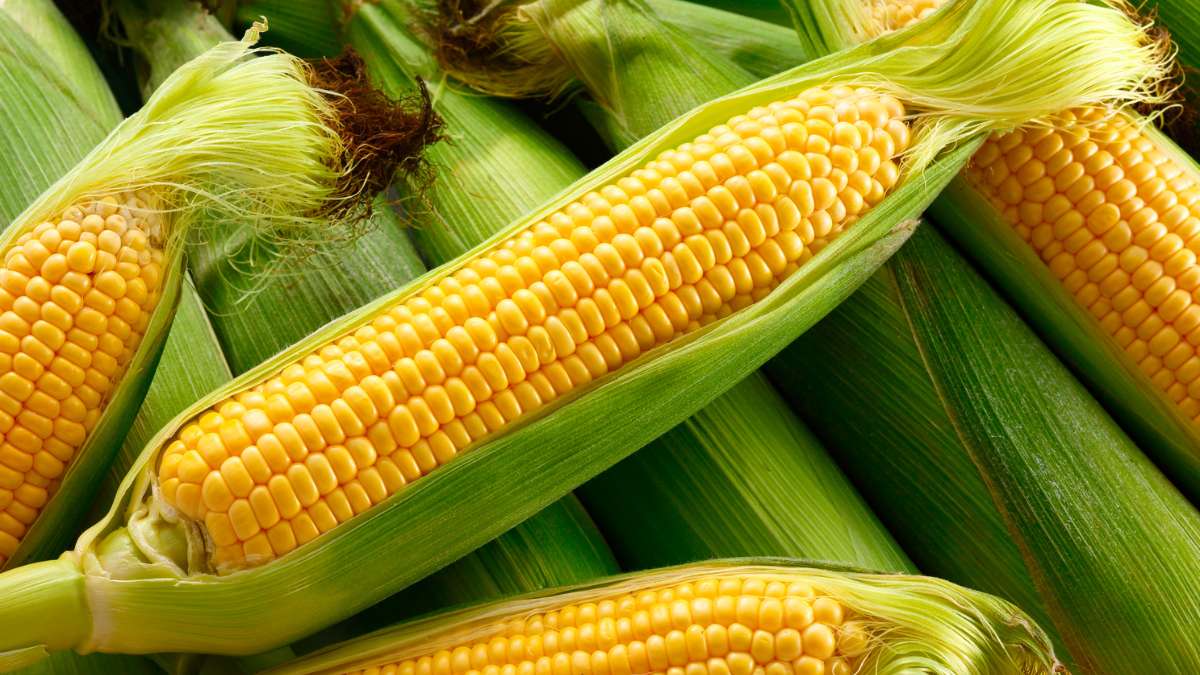
Corn has one of the best benefits of eating it, because it is a good source of energy. Corn is rich in complex carbohydrates and provides us with steady energy for the day. It is good for students, working professionals, and athletes who require sustained energy for daily life.
Corn is also rich in dietary fiber that plays an important role in maintaining digestive health. Fiber promotes regular bowel movements, prevents constipation, and supports a healthy gut microbiome. Fiber-rich foods such as corn can also help you feel full for longer, reducing unnecessary snacking and supporting healthy weight control.
Related Articles

One of the benefits of corn is that it is also rich in antioxidant compounds. Yellow corn contains carotenoids such as lutein and zeaxanthin, which are known for eye health. These antioxidants protect the eye from oxidative damage and may help to decrease age-related vision problems such as macular degeneration and cataracts.
Corn also contributes to heart health. It has fiber, potassium and magnesium, which are great for healthy blood pressure and cholesterol levels with a good diet and a healthy lifestyle. If you are going to eat boiled or roasted corn instead of butter-loaded or fried corn, then it is a heart-friendly snack.
Corn also contains several essential vitamins and minerals like vitamin B1 (thiamine), vitamin B6, folate, phosphorus and magnesium for brain function, energy metabolism, nerve health, and the production of healthy red blood cells.
Related Articles


For people with gluten intolerance or celiac disease, corn is naturally gluten-free and it is a good alternative to wheat-based grains. Processed corn should be checked for added ingredients that may be gluten.
But portion control is important for diabetes. Corn has carbohydrates and diabetes patients should be able to consume it in moderation and pair it with protein and healthy fats to control blood sugar levels. Sweet corn should also be prepared with minimal butter, salt, or sugary toppings to maximize its nutritional value.
Healthy ways to eat corn include boiling, steaming, roasting or adding it to soups, salads, stir-fries and vegetable dishes. Air-popped popcorn with no salt or butter is also a good whole-grain snack.
Corn is a healthy whole grain and can be a good addition to a healthy diet. Fiber, antioxidants, vitamins, and minerals in this combination promote digestion and heart health, eye health, and energy. When it is properly consumed and prepared tastily, corn is a great and good option for health and well-being.


Comments 0