
Sugar is an ingredient we all use in our everyday diets — morning tea and coffee; desserts, cakes and other sweet treats. When it comes to brown sugar versus white sugar people tend to think brown sugar is healthier because of its colour (darker) and natural appearance (brown). But is brown sugar really better for you?
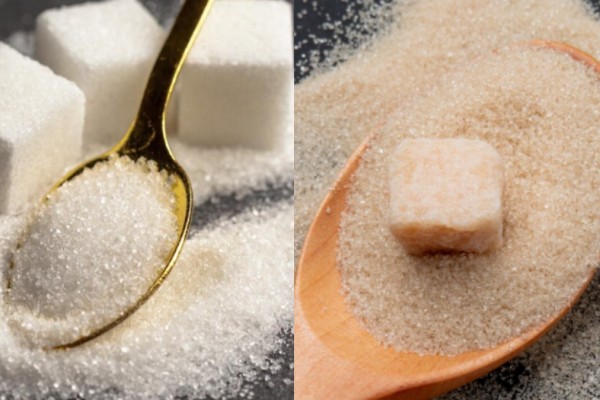
Brown sugar and white sugar both provide sweetness and energy but they are processed differently, have different flavours and nutritional composition. Knowing these differences can help you choose wisely about how much sugar you eat each day.
What Is White Sugar?
White sugar (also called refined sugar) is usually made from sugarcane or sugar beet. Molasses and other natural components are removed during processing so white sucrose crystals remain.
Related Articles


It is used in tea, coffee, baked goods, sweets and packaged food products. White sugar has about 4 calories per gram and is primarily carbohydrates.
Since most of its natural molasses content is removed during refining white sugar has very small amounts of minerals.
What Is Brown Sugar?
Brown sugar is made from sugar crystals with molasses added. Brown sugar can be produced by retaining some of the molasses during processing or adding back molasses to refined white sugar.
Related Articles


The molasses gives brown sugar its characteristic colour, slightly moist texture and caramel-like flavour.
Brown sugar contains small amounts of minerals (calcium, potassium, magnesium and iron) but the quantities are generally too low to make any nutritional difference.
Like white sugar, brown sugar provides about 4 calories per gram.
Brown Sugar vs White Sugar: Nutritional Differences
The difference between the two types of sugar is not in their nutritional value but in their molasses content.
White sugar is almost entirely sucrose, brown sugar contains sucrose plus a small amount of molasses.
Brown sugar may have slightly more minerals but the difference is nutritionally insignificant because people generally eat sugar in small amounts.
Both types add sugar to the diet and can increase calorie intake when eaten in excess.
Which Sugar Is Better for Blood Sugar Levels?
One common misconception is that brown sugar is better for people who are concerned about blood sugar levels.
However brown sugar and white sugar both have large amounts of sucrose. Both can raise blood glucose after consumption.
Brown sugar should therefore not be seen as a safer option for diabetics. Portion control and overall carbohydrate intake are more important than choosing one colour of sugar over another.
People with diabetes should follow their healthcare professional’s dietary advice.
Health Risks of Eating Too Much Sugar
Brown sugar or white sugar, eating too much added sugar can have an effect on your health.
Some potential health concerns include:
- Weight gain: Excessive calorie intake can lead to weight gain and obesity.
- Dental problems: Frequent sugar intake increases the risk of tooth decay.
- Heart health: High added-sugar intake is associated with increased cardiovascular risk.
- Blood sugar issues: If you eat sugary foods and drinks regularly, it can be harder to manage blood glucose.
- Metabolic health: High added sugar intake (from sugary drinks) is linked with metabolic problems.
How Much Sugar Should You Consume Daily?
The WHO says free sugar intake should be less than 10% of total daily energy intake. Further lowering it to below 5% may have additional health benefits.
So if an adult eats 2,000 calories a day that’s about 50 grams of free sugar or less (ideal target lower than that is around 25 grams).
These recommendations include sugars added to foods and drinks but also sugars naturally found in honey, syrups and fruit juices.
Simple Ways to Reduce Daily Sugar Intake
- You don’t have to eliminate sugar completely to change your eating habits. Small changes will do the trick.
- Reduce the amount of sugar added to tea and coffee.
- Choose fresh fruits instead of sugary desserts.
- Limit packaged juices and soft drinks.
- Check food labels for added sugar.
- Reduce the amount of cakes, biscuits and sweets you eat.
Do not replace white sugar with large amounts of brown sugar because you think it’s healthier.
Final Verdict: Brown Sugar or White Sugar?
Neither brown sugar nor white sugar has a significant advantage when it comes to health. Brown sugar has slightly more minerals because of molasses but the difference is too small to have any real health benefits.
Both should be consumed in moderation. Instead of worrying about the colour or type of sugar you’re eating — look at portion sizes and overall added-sugar intake to keep your diet healthy.
Disclaimer: This article is for general health education purposes only and not a substitute for personalised medical or nutritional advice.




Comments 0