
Feeling chilly hands or feet occasionally is usually not a reason for concern. Air conditioning, cold drinks, swimming pools or spending time in a cool environment can temporarily lower the temperature of your extremities. However, if your hands and feet consistently feel cold even when the weather is warm, it may be worth paying attention to what your body is telling you.
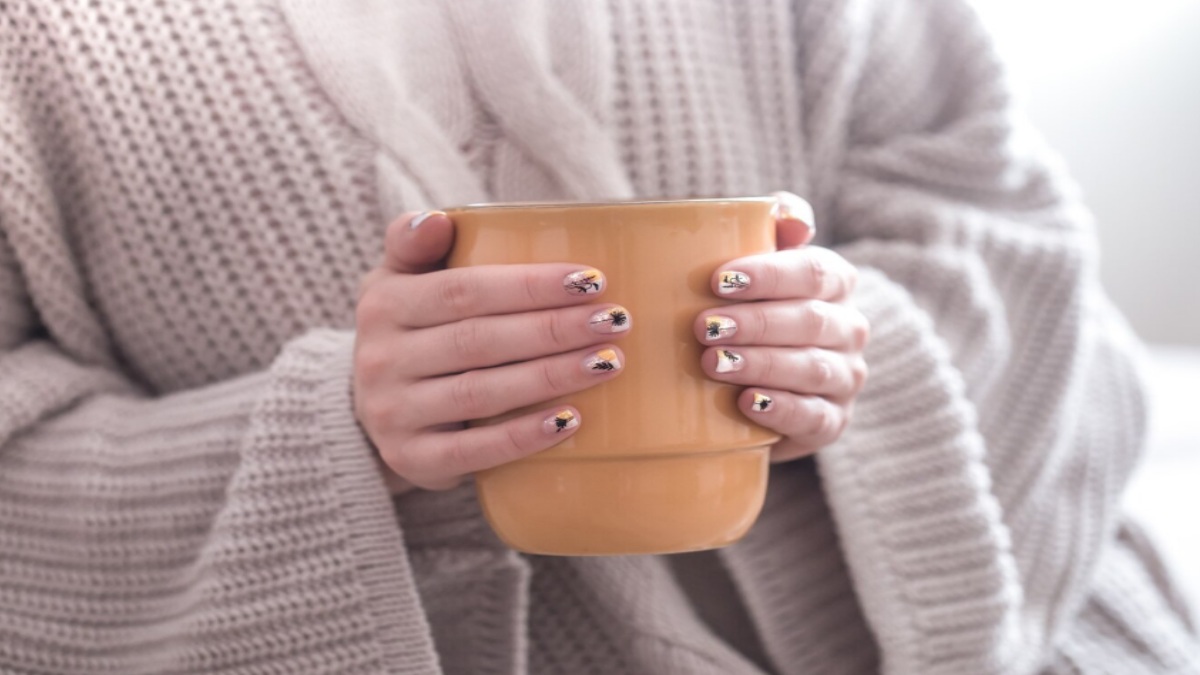
Persistent cold sensations can sometimes be associated with circulation, hormone levels, nutritional deficiencies or certain medical conditions. Understanding the possible causes can help you decide when simple lifestyle changes may be enough and when professional medical advice is appropriate.
Why Do Hands and Feet Feel Cold
Your body naturally prioritises blood flow to vital organs when it is exposed to cold temperatures. Blood vessels in the hands and feet can narrow, reducing blood flow and making these areas feel colder.
Related Articles


Some people naturally have colder extremities than others. But frequent or unexplained coldness may have other causes.
1. Poor Blood Circulation
Reduced circulation can make the hands and feet feel cold because less warm blood reaches the extremities. Sitting in one position for long periods, smoking and certain cardiovascular or blood-vessel conditions can affect circulation.
Regular movement, such as walking and stretching, can support healthy circulation.
Related Articles


2. Iron Deficiency and Anaemia
Iron is essential for producing haemoglobin, which helps red blood cells carry oxygen throughout the body. Iron-deficiency anaemia may cause symptoms such as fatigue, weakness, dizziness, pale skin and cold hands or feet.
If you experience persistent coldness along with unusual tiredness or weakness, a healthcare professional may recommend blood tests to investigate possible anaemia.
3. An Underactive Thyroid
The thyroid gland helps regulate metabolism and body temperature. An underactive thyroid, known as hypothyroidism, can cause increased sensitivity to cold.
Other possible symptoms include fatigue, dry skin, constipation, unexplained weight changes and changes in hair or mood. These symptoms can have many causes, so proper medical evaluation is important.
4. Raynaud's Phenomenon
Raynaud's phenomenon causes the small blood vessels in the fingers and toes to overreact to cold or stress. During an episode, fingers or toes may become unusually cold and change colour, sometimes turning white or blue before returning to their normal colour.
Keeping the body warm and avoiding sudden temperature changes can help some people manage symptoms. Frequent or severe episodes should be discussed with a doctor.
5. Low Body Weight or Inadequate Nutrition
People with very low body weight or insufficient calorie and nutrient intake may be more sensitive to cold. A balanced diet provides the energy and nutrients the body needs to regulate temperature and support normal physiological functions.
Rather than relying on restrictive diets, focus on varied meals containing protein, whole grains, vegetables, fruits and healthy fats.
6. Stress and Anxiety
Stress can trigger the body's "fight-or-flight" response. This may cause blood vessels in the extremities to constrict temporarily, making hands and feet feel cold.
Relaxation techniques, regular physical activity, adequate sleep and stress-management strategies may help if emotional stress is contributing to the sensation.
Simple Ways to Keep Hands and Feet Warm
If cold hands and feet are occasional and there are no concerning symptoms, simple measures may help:
- Wear warm socks and comfortable footwear
- Keep your hands covered in cool environments
- Move around regularly instead of sitting for long periods
- Avoid smoking, which can affect blood vessels and circulation
- Maintain a balanced and nutritious diet
- Stay adequately hydrated
- Manage stress through breathing exercises, relaxation or physical activity
- Avoid exposing cold hands or feet suddenly to very hot water, particularly if sensation is reduced
When Should You See a Doctor
Occasional cold hands and feet are generally harmless. However, persistent or severe symptoms deserve attention, particularly when accompanied by numbness, tingling, pain, skin colour changes, sores, swelling, significant fatigue, dizziness or unexplained weight changes.
Seek prompt medical care if an extremity suddenly becomes very cold, pale or blue, especially when accompanied by severe pain or loss of sensation.
A doctor may ask about your symptoms, medical history and medications and may order tests such as a complete blood count or thyroid testing when appropriate.
Cold hands and feet during summer do not automatically indicate a health problem. Air conditioning, individual sensitivity and temporary blood-vessel changes can all play a role. However, persistent coldness especially when combined with other symptoms can sometimes point to conditions such as anaemia, thyroid disorders or circulation problems.
Instead of ignoring recurring symptoms or self-diagnosing online, pay attention to patterns and speak with a healthcare professional if the problem persists. Understanding the underlying cause is the best way to determine whether treatment is necessary.

Comments 0