
Recovering from dengue doesn’t mean you are immune to the infection for life. In fact, a second dengue infection has an increased risk of severe complications (particularly if the new infection is caused by a different type of virus). Doctors are therefore warning people who have recovered from dengue previously not to be complacent: recognise warning signs and get medical help quickly.
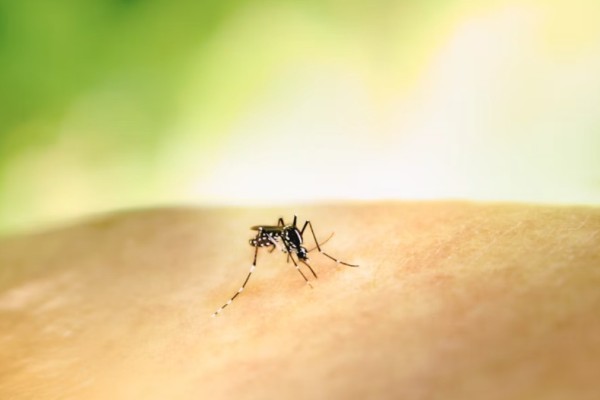
Dengue is a mosquito-borne viral infection that usually causes high fever, headaches, muscle and joint pain nausea and skin rashes. Most patients recover with medical care but some develop serious complications which can be life threatening very quickly.
Speaking to Hindustan Times, Dr Harshad Limaye, director and senior consultant in infectious disease and internal medicine at Nanavati Max Super Speciality Hospital in Mumbai said a repeat infection can be more dangerous because different types of dengue virus play a role as well as antibody-dependent enhancement (ADE).
Related Articles


Why Can a Person Get Dengue More Than Once?
One of the misconceptions about dengue is that recovery from infection gives immunity against future infections. In fact dengue virus has 4 serotypes (DENV-1, DENV-2, DENV-3 and DENV-4).
“One serotype infection generally confers long term protection against that type of virus but not the other three,” Dr Limaye said.
So someone who has recovered from DENV-1 can still get dengue caused by DENV-2, DENV-3 or DENV-4.
Related Articles


Since different dengue serotypes circulate in the affected areas (India included), previous infection does not preclude another episode. People who have recovered from dengue should therefore continue to take precautions against mosquito bites.
Why Can a Second Dengue Infection Be More Severe?
One reason for the increased risk of a second dengue infection is a process called antibody-dependent enhancement.
When the body first gets infected, antibodies are made to fight the virus. Those antibodies protect against that serotype (the type of virus causing that infection).
However, if a person is infected later by another serotype some antibodies produced during the first infection may bind to the new virus but will not neutralise it effectively. Under certain conditions these antibodies can help the virus get into immune cells so that viral replication increases.
This is called antibody-dependent enhancement (ADE).
“That immune response can increase the viral load and make a subsequent infection more severe,” Dr Limaye says.
However, a second infection does not mean that person will develop severe dengue. Risk varies and many people recover without serious complications. WHO also classifies people who get a second dengue infection as being at greater risk of severe disease.
How Can Severe Dengue Affect the Body?
Severe dengue can affect the blood circulation in the body and cause problems with blood vessels, fluid balance and vital organs.
One of the main problems is plasma leakage. Plasma is the liquid part of blood which carries blood cells, proteins and other substances around the body.
In severe dengue increased permeability of blood vessels can lead to leakage of plasma into surrounding tissues and body cavities (fluid may accumulate around lungs or inside abdomen).
If leakage is severe enough, the volume of blood circulating drops (dengue shock syndrome). Circulatory system can’t supply enough blood and oxygen to vital organs.
Severe dengue also includes serious bleeding and organ impairment. These complications require immediate medical attention (hospitalization or intensive care) and, in some cases, hospitalization.
Dengue Warning Signs: Symptoms to Watch For
One of the most important aspects of dengue management is to recognize warning signs before the condition becomes critical.
Patients and caregivers should also be aware of symptoms that may appear as the fever starts to subside, says Dr Limaye.
Important warning signs include:
- Severe abdominal pain: Pain that is constant or intense should not be ignored.
- Persistent vomiting: Repeated vomiting signals worsening illness and increases the risk of dehydration.
- Rapid breathing: Breathing is hard or fast this could be a sign of serious complication.
- Bleeding: bleeding from nose or gums, blood in vomit or blood in stools need immediate medical attention.
- Extreme fatigue: Unexplained weakness, extreme tiredness or sudden drop in energy levels can be worrying.
- Restlessness or irritability: Behaviour changes, unusual restlessness or drowsiness may all be signs of deterioration.
- Reduced urination: Passing less urine may indicate poor fluid circulation or dehydration.
- Cold or pale skin: Cold, clammy or unusually pale skin could be a sign of serious circulatory problem.
The WHO and US Centers for Disease Control and Prevention (CDC) also include severe abdominal pain, persistent vomiting, bleeding, restlessness and extreme tiredness in the warning signs of severe dengue.
Anyone who has these symptoms should go to the emergency room instead of waiting for it to get better.
Why a Falling Fever Does Not Always Mean Recovery
A very dangerous misconception about dengue is that the patient is recovering once the fever comes down.
In fact the period right after the fever goes away is critical. The CDC says warning signs of severe dengue usually appear 24 to 48 hours after fever subsides.
This is when dengue is in the critical phase. Many people start feeling better but some develop plasma leakage and other complications during this time.
The condition can change quickly so medical monitoring should continue even after the temperature is back to normal.
Patients and caregivers should follow doctor’s orders about visits, blood tests, hydration and monitoring of symptoms. Falling fever or improvement in one symptom isn’t evidence that infection is completely gone.
How to Prevent Another Dengue Infection
Because previous dengue infection does not provide protection against all four serotypes of virus, mosquito control is needed even after recovery.
The following precautions can help reduce the risk of another infection:
1. Remove stagnant water: Check water containers, flower pots, coolers, discarded tyres, buckets and other places where water can collect. Empty and clean them regularly.
2. Keep drains clear: Don’t let drains and water-storage areas become mosquito breeding grounds. Construction areas should also be checked for standing water.
3. Use mosquito protection: Wear clothing that covers exposed skin and use appropriate mosquito repellents. Mosquito nets and window screens can also be used to protect against mosquitoes.
4. Check surroundings regularly: Look at homes, workplaces, schools and nearby areas for breeding sites. Community-level mosquito control is also important.
5. See a doctor early: Anyone with fever, severe headache, pain behind the eyes, muscle pain, nausea or rash should see a doctor (especially if dengue is circulating locally).
When Should You Seek Immediate Medical Help?
Dengue can go from a mild illness to a medical emergency very quickly. Severe abdominal pain, repeated vomiting, bleeding, breathing problems, unusual drowsiness or extreme weakness all need medical attention immediately.
There is no antiviral treatment for dengue yet. Medical management consists of monitoring the patient, adequate hydration and supportive care (doctors may recommend blood tests or hospital monitoring depending on the condition of the patient).
Patients should not self-medicate. The CDC advises against aspirin and nonsteroidal anti-inflammatory drugs (NSAIDs) such as ibuprofen in dengue because of bleeding risk. Medicines for fever and pain should be taken only on advice from a doctor.
The lesson here is that dengue recovery does not protect against future infections. A second infection will have additional risks but early diagnosis, close monitoring, mosquito prevention and timely medical treatment can help reduce risk of serious complications.




Comments 0