
Diabetes can affect almost every part of the body, including the eyes. Yet despite the availability of effective screening and treatment options, misconceptions about diabetic eye disease remain common. One particularly concerning belief is that laser treatment for diabetic eye disease causes blindness.
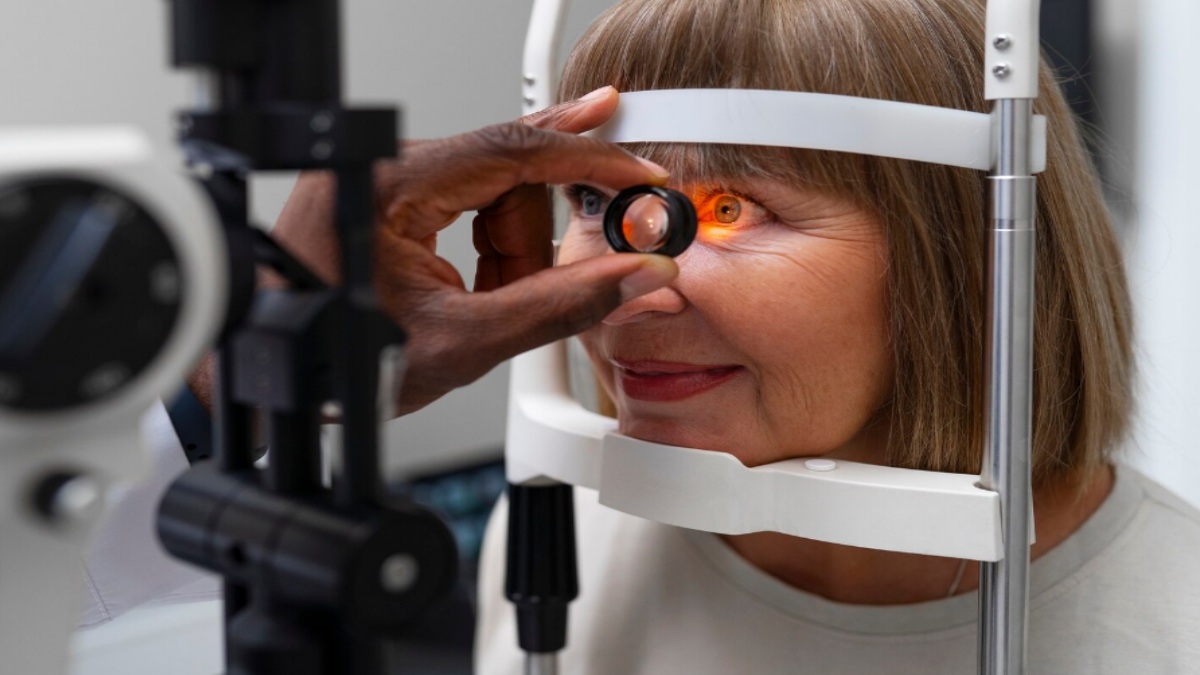
Retinal specialists emphasize that delaying appropriate treatment because of fear or misinformation can put vision at greater risk. Diabetic eye disease includes several conditions, most notably diabetic retinopathy and diabetic macular edema, which can damage the retina and cause vision loss when left untreated.
Virginia retinal specialist Dr Rohit Adyanthaya has addressed common misconceptions surrounding diabetic eye disease. Here are 13 myths worth understanding, along with the facts patients should know.
Related Articles


Myth 1: Laser Treatment Causes Blindness
This is one of the most common fears surrounding diabetic eye treatment.
Fact: Laser treatment is used to treat certain forms of diabetic retinal disease and reduce the risk of severe vision loss. Depending on the condition and the type of laser used, treatment may target abnormal or leaking blood vessels in the retina.
Laser therapy can have side effects and is not appropriate for every patient, but the claim that it simply causes blindness is misleading. Treatment decisions should be made by a qualified retinal specialist based on the individual's eye condition.
Related Articles


Myth 2: Diabetes Only Affects Vision When Blood Sugar Is Extremely High
Fact: The longer someone has diabetes, the greater the potential risk of diabetic eye complications. Blood glucose control is important, but diabetic eye disease can develop even when a person does not notice obvious symptoms.
Regular eye examinations are therefore important for people with diabetes.
Myth 3: You Will Know When Diabetic Retinopathy Begins
Fact: Early diabetic retinopathy may produce no noticeable symptoms.
A person can have retinal changes while their vision still seems perfectly normal. This is why screening is so important. Waiting for blurry vision or other symptoms before seeing an eye specialist may allow the disease to progress.
Myth 4: Good Vision Means Your Retina Is Healthy
Fact: Clear vision does not necessarily mean that there are no retinal abnormalities.
A comprehensive dilated eye examination or other retinal imaging can identify changes that aren't obvious to the patient.
Myth 5: Diabetic Eye Disease Cannot Be Treated
Fact: Several treatment options are available depending on the specific condition and its severity.
Treatment may include laser therapy, injections of medicines into the eye, surgery in certain advanced cases or careful monitoring when immediate treatment is not necessary.
Early detection generally provides more opportunities to protect vision.
Myth 6: Diabetes-Related Vision Loss Is Always Permanent
Fact: Not every case of diabetic vision impairment is irreversible.
Some vision problems can improve when the underlying retinal disease is appropriately treated. The outcome depends on factors including the type and severity of retinal damage and how early treatment begins.
Myth 7: Eye Exams Are Only Necessary After Vision Changes
Fact: People with diabetes should not wait for symptoms before having their eyes checked.
Diabetic retinopathy can progress silently. Following the screening schedule recommended by your diabetes care team and eye-care professional is an important part of protecting vision.
Myth 8: Only People With Type 1 Diabetes Develop Diabetic Eye Disease
Fact: Both type 1 and type 2 diabetes can affect the eyes.
Anyone with diabetes should discuss appropriate retinal screening with their healthcare provider. The timing and frequency of examinations can vary according to the type and duration of diabetes and the presence of retinal changes.
Myth 9: Controlling Blood Sugar Doesn't Affect Eye Health
Fact: Blood glucose management is an important component of reducing the risk of diabetes-related complications.
Blood pressure and cholesterol management, along with not smoking and maintaining an overall healthy lifestyle, can also be important for vascular health.
Good diabetes management does not guarantee that eye disease will never occur, but it is an important part of risk reduction.
Myth 10: Laser Is the Only Treatment for Diabetic Retinopathy
Fact: Laser therapy is only one treatment option.
Depending on the retinal condition, doctors may recommend medications delivered by injection, laser treatment, surgery or observation. Anti-VEGF medications, for example, are commonly used for diabetic macular edema and certain retinal complications.
The appropriate approach depends on the patient's individual diagnosis.
Myth 11: Eye Injections Are Dangerous and Should Always Be Avoided
Fact: Injections into the eye can sound frightening, but they are established treatments for several retinal conditions.
As with any medical procedure, there are potential risks, which should be discussed with the treating specialist. For appropriate patients, these treatments can help control retinal swelling and abnormal blood vessel growth.
Myth 12: Once Treatment Starts, Vision Is Guaranteed to Return to Normal
Fact: Treatment aims to control disease and preserve or improve vision, but outcomes vary.
The retina may already have sustained significant damage before treatment begins. Some patients experience meaningful visual improvement, while others may primarily benefit from preventing further deterioration.
Following the recommended treatment and monitoring schedule is important.
Myth 13: If One Eye Is Healthy, the Other Eye Doesn't Need Attention
Fact: Diabetes can affect both eyes, although the severity may differ between them.
Regular examinations are important even when one eye appears to have normal vision. Monitoring both eyes allows specialists to identify changes early and recommend appropriate care.
Why Early Screening Matters
The biggest misconception to overcome may be the idea that eye care can wait until vision becomes noticeably worse.
Diabetic eye disease can develop gradually and without obvious symptoms. Regular retinal examinations can identify abnormalities before significant vision loss occurs.
People with diabetes should discuss their individual screening schedule with their healthcare provider or eye specialist.
When Should You Seek Urgent Eye Care
Sudden changes in vision should never be ignored. New flashes, a sudden increase in floaters, a curtain-like shadow across the field of vision, sudden loss of vision or significant visual distortion can require urgent evaluation.
These symptoms can have several causes, some of which may threaten sight if treatment is delayed.
The belief that laser treatment causes blindness is a dangerous oversimplification. Laser therapy is an established treatment for certain diabetic retinal conditions, although it is not appropriate for every patient and, like all medical treatments, carries potential risks.
The most effective way to protect vision is to combine good diabetes management with regular eye examinations and timely treatment when needed.
The 13 myths above highlight an important message: diabetic eye disease can often develop quietly, but it is not something patients should simply accept or ignore. If you have diabetes, speak with your doctor and an eye-care professional about your individual risk, screening schedule and treatment options.

Comments 0