
Diwali is one of the most popular festivals in India; it brings families and communities together with lights, sweets and festive celebrations. But as the use of firecrackers increases during this festival serious air pollution (which can affect respiratory health) also occurs.
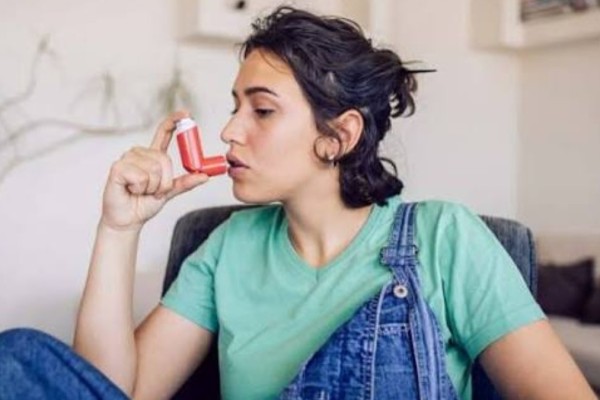
Smoke from firecrackers releases harmful pollutants into the atmosphere making it difficult to breathe for asthma sufferers, lung-related conditions etc. Children, elderly people and people with chronic respiratory diseases are more vulnerable to poor air quality.
While celebrating Diwali a few precautions can be taken to reduce exposure to harmful pollutants and protect lung health. Know how firecracker smoke affects the respiratory system and take simple safety measures so that festival becomes safer and healthier for all.
Related Articles


Firecracker smoke contains several harmful pollutants (fine particulate matter PM2.5 and PM10 gases such as sulphur dioxide and nitrogen oxides). These pollutants can remain suspended in the atmosphere and enter the respiratory system when people breathe them in.
Fine particles are particularly dangerous because they travel deep into the lungs causing irritation and inflammation. Polluted air causes coughing, wheezing, chest tightness throat irritation and breathing problems.
People with asthma even short-term exposure to concentrated firecracker smoke will have symptoms or worsen an existing respiratory condition. People with COPD and other lung conditions may also experience increased discomfort when breathing during high pollution periods.
Related Articles


One of the most important precautions for people with asthma is to stay away from firecrackers and areas where fireworks are being burst. Watching fireworks may be part of Diwali celebrations but standing near places filled with smoke increases your exposure to harmful pollutants. People with asthma should not burst firecrackers themselves and limit outdoor activities when pollution levels are high.
During periods of heavy smoke windows and doors should be kept closed so polluted outdoor air does not enter the house. Prescribed inhalers and medications must also be available at all times. People should continue taking their normal asthma medication as directed by their doctor never stop or change dosage without medical advice first. If you have an asthma action plan follow it carefully throughout the festive season.
Wearing a properly fitted N95 mask is another useful precaution when going outside during periods of air pollution. N95 masks filter a high percentage of airborne particles (many of the fine ones in firecracker smoke) but they do not protect against harmful gases released by fireworks so wearing a mask should not be seen as permission to spend long hours in heavily polluted areas.
Avoiding direct exposure to firecracker smoke remains one of the most effective ways to protect respiratory health. People who have trouble breathing while wearing a mask should also listen to their healthcare professional’s advice about appropriate respiratory protection.
Monitoring the Air Quality Index (AQI) is another important thing to do during Diwali. The AQI tells us how polluted air is at a given location and helps people decide if it’s safe to go outside or not. Before going out for a walk, exercise or other activity check the latest air quality information for your area. If pollution levels are poor or very poor don’t exercise outdoors, run or do prolonged outdoor activities.
Physical activity increases breathing rate so we inhale more airborne pollutants. Stay indoors when pollution is heavy; close windows; use an air purifier with HEPA filter in case of heavy pollution.
Children and the elderly are particularly vulnerable during Diwali because their respiratory systems are still developing and older people may have reduced lung function or existing health problems. Parents should not take young children to crowded places where firecrackers are being burst. Children should not play in areas filled with smoke after fireworks displays.
Elderly people (asthma, COPD or heart related conditions) should limit outdoor exposure when air quality is poor. Indoor pollution also needs to be addressed cigarette smoke, incense sticks, mosquito coils and other sources of indoor smoke irritate the respiratory system further so reducing them inside home can make a healthier Diwali possible.
Good indoor air quality is particularly important when outdoor pollution levels increase. If possible, use an appropriately sized air purifier with HEPA filter in frequently used rooms; do not open windows when outdoor pollution is highest but ensure that indoor ventilation is maintained safely when conditions improve outdoors; regularly clean indoor surfaces (using damp cloth) to remove settled dust and particles.
People with respiratory problems should avoid unnecessary exposure to irritants such as strong fragrances, smoke and dust. These simple steps will make indoor spaces more comfortable over the festive period.
Early warning signs of respiratory problems need to be recognised too. People who have been exposed to firecracker smoke may cough persistently, wheeze, feel chest tightness or throat irritation or experience shortness of breath after the fireworks are set off anyone with these symptoms should see a doctor (especially if they have an existing respiratory condition).
Asthma sufferers must follow their action plan and take medication as directed. If breathing is difficult, cannot speak comfortably because of breathlessness or there is severe chest discomfort then emergency medical help must be sought immediately.
In the end, Diwali celebrations are about happiness, togetherness and health. Firecracker smoke and deteriorating air quality can be difficult for people with respiratory problems but preventive measures can help reduce risks: avoid heavily polluted areas; wear properly fitted N95 mask when necessary; check AQI levels; keep prescribed medicines handy; protect children and elderly family members too.
Awareness and responsibility go a long way. Celebrating Diwali paying more attention to air quality and respiratory health will ensure that it is joyful and safe for all.




Comments 0