
Earphones and earbuds have become part of everyday life. From listening to music and podcasts to attending online meetings and making phone calls, many people use them for several hours a day. With their growing popularity, social media has also produced plenty of health claims about their potential effects on the ears.
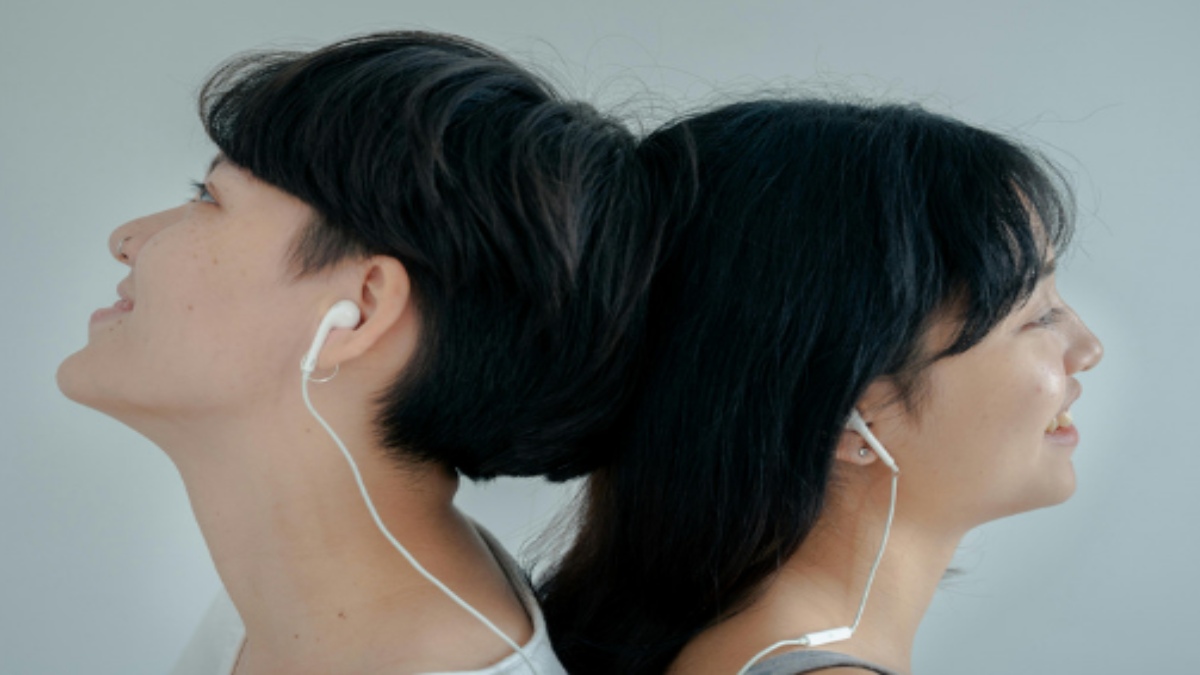
One claim that frequently circulates online is that wearing earphones causes excessive earwax build-up. But is there really a direct connection? According to ENT specialists, the relationship is more complicated than a simple “earphones cause earwax” explanation.
What Exactly Is Earwax
Earwax, medically known as cerumen, is a natural substance produced inside the ear canal. Although it is often considered something that needs to be removed, earwax actually serves several useful purposes.
Related Articles


It helps trap dust and other particles while also providing some protection to the delicate skin lining the ear canal. It can also help prevent the skin from becoming excessively dry.
Normally, the ear has a natural self-cleaning mechanism. Old wax gradually moves toward the outer part of the ear, where it can usually be wiped away without inserting anything into the ear canal.
Do Earphones Directly Cause Earwax
Earphones do not necessarily cause the body to produce excessive earwax in every person. However, in-ear devices may contribute to wax accumulation in some individuals.
Related Articles


Earbuds that sit inside the ear canal can physically interfere with the natural movement of earwax toward the outside. Repeatedly inserting and removing them may also move existing wax deeper into the canal.
For some people, prolonged use can create a warm, enclosed environment inside the ear. This may contribute to irritation or discomfort, particularly if the earbuds are not cleaned regularly.
Therefore, the more accurate message is that earphones may contribute to earwax retention or blockage in some people rather than universally causing excess earwax production.
Why Does Earwax Sometimes Become Impacted
Several factors can increase the likelihood of impacted earwax. Ear anatomy plays an important role, as some people naturally have narrower or differently shaped ear canals.
Using objects such as cotton buds inside the ear can also push wax deeper rather than removing it. Regularly wearing in-ear headphones may add to the problem if wax already tends to accumulate.
Some hearing devices and earplugs can similarly interfere with the normal outward movement of wax.
Symptoms of impacted earwax can include a blocked or full sensation in the ear, reduced hearing, ringing or discomfort. Some people may also experience itching or dizziness.
Avoid Putting Cotton Buds Deep Inside Your Ears
One of the most common mistakes people make when they notice earwax is trying to remove it with cotton buds.
Although cotton buds may appear to clean the ear, inserting them into the ear canal can push wax further inward. There is also a risk of scratching the delicate skin or damaging the eardrum if the object is inserted too deeply.
The outer ear can generally be cleaned gently with a soft cloth. The ear canal itself usually does not need routine manual cleaning.
How to Use Earphones More Safely
People who regularly use earbuds do not necessarily need to stop using them. Instead, good hygiene and sensible listening habits can help reduce potential problems.
Clean reusable earbuds according to the manufacturer's instructions, especially if they are used frequently. Avoid sharing earphones because this can transfer bacteria and other microorganisms between users.
It can also be helpful to take regular breaks from prolonged earbud use. Giving the ears some time without an in-ear device may improve comfort.
Volume is another important consideration. Listening at excessively high volumes for long periods can increase the risk of noise-related hearing damage, regardless of whether earphones contribute to earwax accumulation.
When Should You See an ENT Specialist
Earwax does not usually require professional removal unless it becomes impacted or causes symptoms. If you develop persistent hearing loss, significant ear pain, discharge, bleeding, severe dizziness or ongoing ringing in the ears, it is important to seek medical evaluation rather than assuming earwax is responsible.
An ENT specialist can examine the ear canal and determine whether wax is actually causing the problem. Professional removal may be recommended when necessary.
People with a history of eardrum problems, ear surgery or recurrent ear infections should also avoid attempting aggressive ear cleaning without medical advice.
The internet claim that “earphones cause earwax build-up” is an oversimplification. Earphones, particularly in-ear earbuds, may interfere with the natural movement of earwax and contribute to accumulation in some people. However, they are not automatically responsible for excessive wax production.
Earwax is a normal and protective part of ear health. Instead of repeatedly cleaning deep inside the ears, focus on keeping reusable earbuds clean, avoiding cotton buds inside the ear canal, taking breaks from prolonged use and keeping listening volumes at safe levels.
If you notice persistent blockage, pain, hearing changes or other unusual symptoms, an ENT professional can determine the underlying cause and recommend appropriate treatment.
Ultimately, healthy ears do not require aggressive cleaning. Understanding the ear's natural self-cleaning process can help separate genuine health advice from alarming claims circulating online.

Comments 0