
Scrolling through social media, news feeds and short videos may feel like an easy way to relax before bed. But if checking your phone turns into an hour-long cycle of alarming headlines, endless updates and emotionally charged posts, the habit could interfere with your sleep and leave you feeling mentally foggy the next morning.
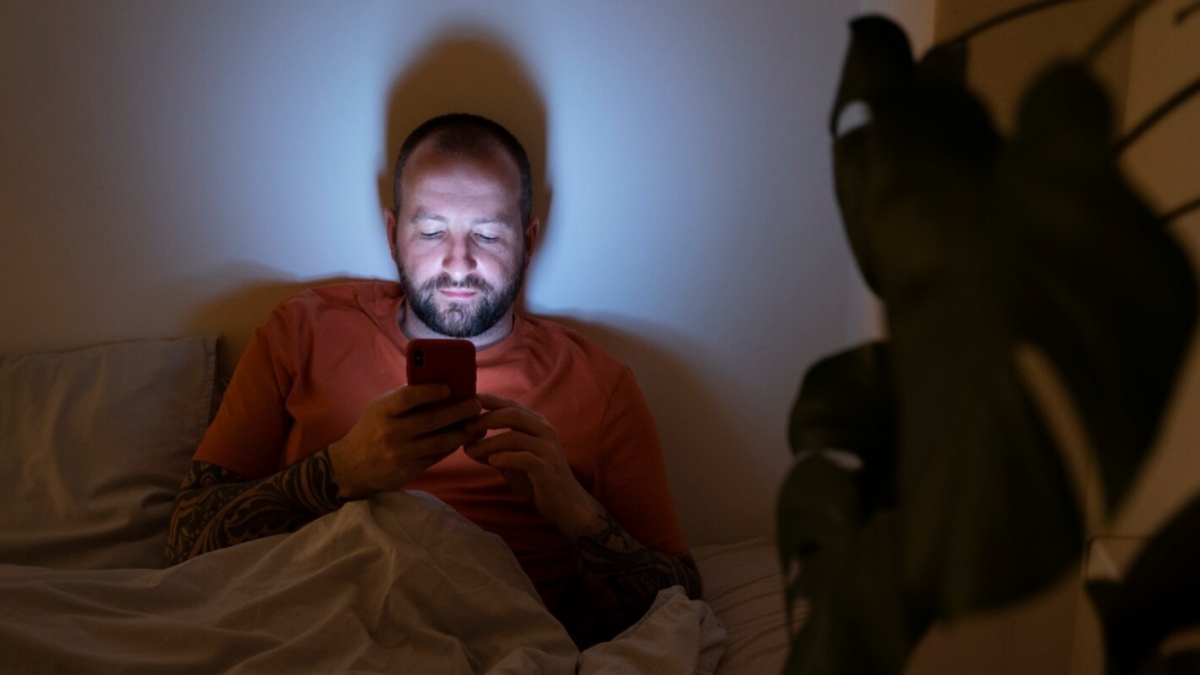
The term doomscrolling describes repeatedly consuming negative, distressing or anxiety-provoking content online, often for longer than intended. While occasional late-night scrolling may not cause significant problems, making it a nightly routine can affect sleep quality, attention and daytime energy.
Why Doomscrolling Before Bed Can Be a Problem
One of the biggest concerns is that doomscrolling keeps the brain engaged at a time when it should be transitioning toward sleep. Instead of allowing the mind to wind down, constantly changing posts, videos and headlines provide a stream of new information to process.
Related Articles


Negative or threatening content may be particularly stimulating. Reading about disasters, conflict, health scares or upsetting events can increase worry and make it harder to mentally switch off.
Even when you are physically tired, your mind may continue replaying what you have seen online. This can contribute to delayed sleep or restless sleep.
Screen Exposure Can Also Affect Your Sleep Routine
Smartphones and other screens produce light that can influence the body's sleep-wake rhythm. More importantly, however, the content and behavior surrounding screen use can be just as significant.
Related Articles


When someone tells themselves they will scroll for five minutes but continues for 30 or 60 minutes, their bedtime gets pushed later. Repeatedly doing this can reduce total sleep time.
Poor or insufficient sleep can affect concentration, memory, mood and reaction time. As a result, the mental fog experienced the following morning may not be caused by doomscrolling alone it may reflect the combination of late-night stimulation and inadequate sleep.
What Does 'Brain Fog' Feel Like
Brain fog is a general term people use to describe difficulty thinking clearly. Someone experiencing it may feel unusually distracted, forgetful or mentally slow.
After a night of poor sleep, you might struggle to concentrate at work, forget small tasks, find it harder to make decisions or feel less mentally alert than usual.
However, persistent brain fog should not automatically be blamed on smartphone use. Sleep disorders, stress, certain medications, nutritional problems and other health conditions can also contribute to cognitive difficulties.
Why Doomscrolling Can Become a Cycle
Doomscrolling can become surprisingly repetitive. A person may feel anxious about current events and check their phone for reassurance or information. Instead, they encounter another worrying story and continue scrolling.
The brain receives a constant stream of novelty, making it difficult to stop. Before long, bedtime has passed.
The next morning, tiredness may lead to reduced productivity and increased stress. That stress can encourage more passive phone use later in the day, potentially continuing the cycle.
Simple Ways to Break the Habit
You do not necessarily have to stop using your phone completely. Creating boundaries around bedtime can make a meaningful difference.
Try setting a digital wind-down period 30 to 60 minutes before sleep. During this time, choose calming activities such as reading a physical book, gentle stretching, listening to relaxing music or preparing for the next day.
Turning off unnecessary notifications can also reduce the temptation to check your phone repeatedly. If social media is difficult to resist, consider moving those apps away from your home screen or using built-in screen-time limits.
Another useful strategy is keeping your phone away from your bed. If you use your phone as an alarm, placing it across the room can make nighttime checking less automatic.
Choose What You Consume
If you do use your phone before bed, be intentional about the content. Avoid repeatedly checking breaking news or emotionally upsetting posts immediately before trying to sleep.
Instead, consider content that is neutral, calming and unlikely to trigger prolonged engagement.
When to Seek Medical Advice
Occasional tiredness after a late night is normal. But if you regularly experience severe daytime sleepiness, persistent concentration problems, insomnia, headaches, mood changes or other concerning symptoms, speak with a healthcare professional.
A neurologist or sleep specialist can help determine whether your symptoms are related to sleep habits or whether another issue needs attention.
Doomscrolling before bed may seem harmless, but turning it into a nightly habit can keep your brain engaged, delay bedtime and contribute to poor-quality sleep. The resulting sleep loss may leave you feeling mentally foggy, distracted and less energetic the next day.
The goal isn't necessarily to abandon technology. Instead, create a healthier relationship with it especially during the final part of the day. Putting the phone aside, reducing notifications and giving your mind time to slow down can help create a more restful bedtime routine and support better mental alertness the following morning.


Comments 0