
Chia seeds have become a popular addition to health-conscious diets, particularly through the viral trend of chia water. The tiny black or white seeds are packed with fibre, contain plant-based omega-3 fatty acids and provide minerals such as calcium, magnesium and phosphorus.
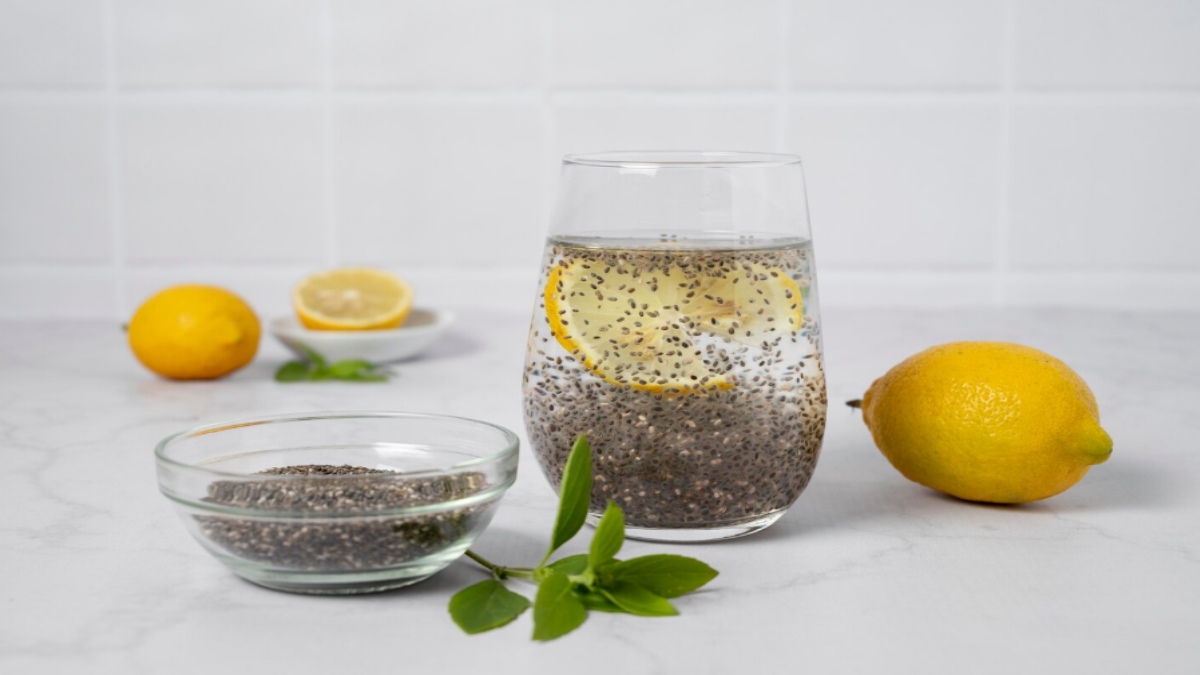
But drinking chia seeds mixed into water isn't the only way to consume them. Gastroenterologist Dr Joseph Salhab, known for sharing digestive-health information online, has discussed alternative ways of incorporating chia seeds into meals rather than simply drinking chia water.
For people who enjoy chia seeds, using them in foods can make them easier to incorporate into a balanced diet. However, chia seeds are not a magic solution for digestive problems, weight loss or overall health. Their benefits are best understood as part of an overall nutritious eating pattern.
Related Articles


Why Are Chia Seeds So Popular
Chia seeds are particularly rich in dietary fibre. Fibre plays an important role in digestive health and can contribute to regular bowel movements when consumed alongside adequate fluids.
They also provide alpha-linolenic acid (ALA), a plant-based omega-3 fatty acid. Chia seeds additionally contain protein and several micronutrients.
Because they absorb liquid and develop a gel-like texture, chia seeds can be used in a variety of recipes.
Related Articles


1. Add Chia Seeds to Yogurt
One of the simplest ways to eat chia seeds is to add them to yogurt.
A spoonful of chia seeds can be mixed into plain yogurt along with fruit, nuts or other nutritious toppings. This creates a convenient breakfast or snack containing protein, fibre and other nutrients.
Allowing the seeds to soften in the yogurt can also create a pleasant texture. If you are new to high-fibre foods, start with a small amount and increase gradually according to your tolerance.
2. Make Chia Pudding
Chia pudding is another popular option. Chia seeds are mixed with milk or a suitable dairy-free alternative and refrigerated until they form a thick, pudding-like consistency.
Fresh fruit, cinnamon, unsweetened coconut or nuts can be added for flavour and additional nutrients.
Chia pudding can be prepared ahead of time, making it convenient for busy mornings.
3. Sprinkle Them Over Meals
Chia seeds don't have to be the main ingredient in a recipe. They can simply be sprinkled over foods such as oatmeal, porridge, smoothies, salads or fruit bowls.
This approach requires little preparation and allows chia seeds to become part of an existing meal.
Grinding isn't generally necessary for chia seeds to provide their nutritional benefits, although preparation preferences can vary.
4. Blend Them Into Smoothies
Chia seeds can also be incorporated into smoothies. Combining them with fruit, vegetables, yogurt or milk creates a nutrient-dense drink.
Because chia seeds are high in fibre, adding large quantities to a smoothie may make it unusually thick and may cause digestive discomfort in some people.
Starting with a modest amount and drinking enough fluids throughout the day can be a sensible approach.
5. Use Them in Oatmeal or Homemade Foods
Another easy option is mixing chia seeds into oatmeal, overnight oats or homemade energy bites.
They can also be incorporated into certain baked goods, although heating can affect some nutrients, particularly delicate fats. Chia seeds should complement a nutritious recipe rather than turn an otherwise highly processed food into a health food.
Is Chia Water Bad for You
Chia water isn't necessarily harmful for most people when prepared appropriately. The important point is that it isn't essential to consume chia seeds in water to obtain their nutritional benefits.
Because chia seeds absorb liquid, consuming large quantities without adequate hydration may be uncomfortable for some people. People with swallowing difficulties or certain digestive conditions should discuss the appropriate form and amount of fibre with a healthcare professional.
It is also important not to swallow large amounts of dry chia seeds by themselves, particularly if you have difficulty swallowing, because the seeds can expand after absorbing liquid.
How Much Chia Should You Eat
There is no universal amount that everyone needs. Chia seeds are fibre-rich, so suddenly adding a large quantity to your diet can lead to bloating, gas or abdominal discomfort.
A practical approach is to begin with a small serving and gradually increase it if your body tolerates it. Adequate fluid intake is also important when increasing dietary fibre.
People with gastrointestinal conditions or those following specific dietary restrictions should seek individualized advice from a qualified healthcare professional.
Chia seeds can be a nutritious addition to a balanced diet, but chia water is only one way to consume them. Following the approach discussed by gastroenterologist Dr Joseph Salhab, people can incorporate chia seeds into yogurt, chia pudding, smoothies, oatmeal and other everyday foods.
Their high fibre content can support digestive health, while their nutritional profile adds plant-based omega-3 fats and important minerals to meals.
However, chia seeds should not be viewed as a cure-all or a shortcut to weight loss. Introduce them gradually, consume them with adequate fluids and choose preparation methods that fit comfortably into your normal eating pattern.

Comments 0