
When people talk about nutrition, calories are always the main focus. Whether it is weight loss or weight gain or maintaining healthy living, calorie intake is used as a measure of how much food the body gets. But good nutrition is so much more than calories. And for India, one of the biggest challenges is getting enough ‘micronutrients’— vitamins and minerals that the body requires in a tiny amount to function but is simply not able to without.
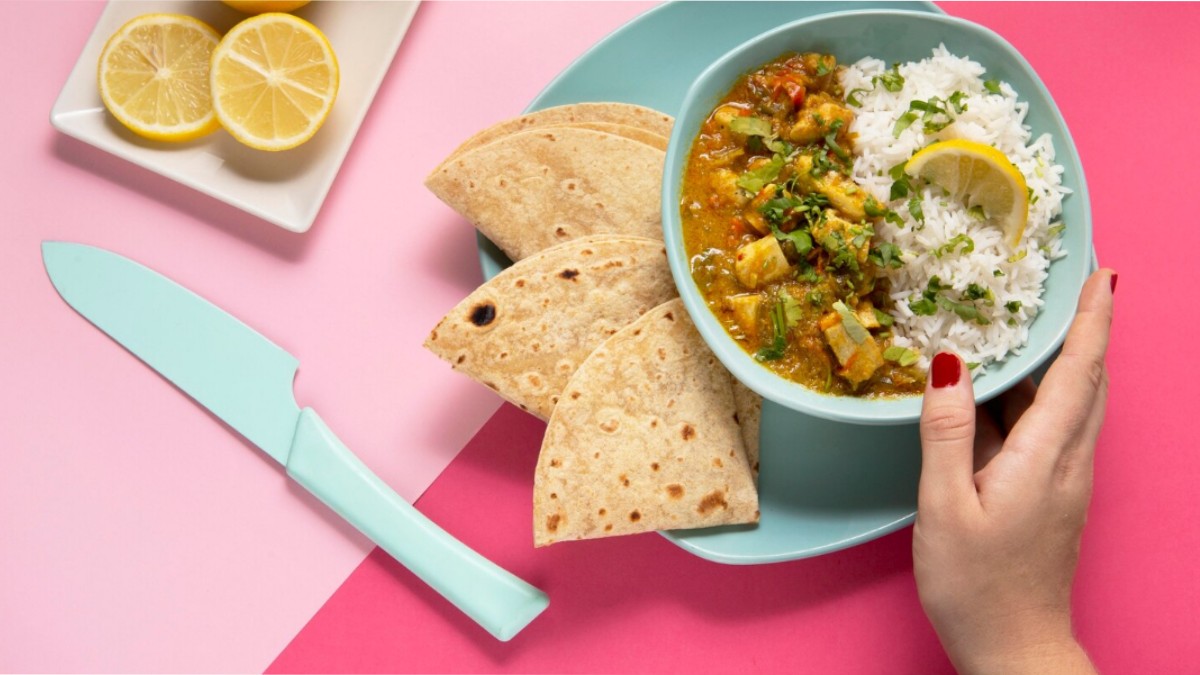
A person can consume enough calories and still be short on essential nutrients. That is why nutrition conversations need to move beyond quantity to food quality, variety and nutrient density.
What Are Micronutrients?
Micronutrients include iron, folate, vitamin A, vitamin B12, vitamin D, iodine, calcium and zinc. They assist, for example, in immunity, energy metabolism, brain development, bone health, blood formation and normal growth.
Related Articles


In comparison to carbohydrates, proteins and fats, micronutrients are required in much smaller quantities. But a deficiency can still have considerable implications for children, adolescents, pregnant women and older adults.
Why Calories Alone Don't Tell the Full Story
Two meals may contain similar calories but have very different nutritional value. A meal dominated by refined carbohydrates, added sugars or highly processed foods may provide energy without sufficient amounts of essential vitamins and minerals.
On the other hand, a variety of vegetables, fruits, pulses, whole grains, nuts, seeds, dairy or suitable substitutes and nutrient-rich protein sources can provide a wider range of nutrients.
Related Articles


This is particularly true in a country as diverse as India, in which the dietary habits of a nation differ greatly across places, regions, communities and income groups.
Iron and Anaemia Remain Important Concerns
Iron is necessary to produce haemoglobin which carries oxygen throughout the body. Inadequate iron intake can result in iron-deficiency anaemia and may be associated with tiredness, weakness and reduced concentration.
Women of reproductive age, pregnant women and young children are particularly vulnerable to iron deficiency. To supplement iron intake, lentils, beans, leafy greens, meat, eggs, and fortified foods are all good candidates for iron intake.
The Importance of Vitamin D, B12 and Other Nutrients
Vitamin D is important for calcium absorption and bone health, and vitamin B12 promotes healthy red blood cells and nervous system functions. Factors such as diet, sunlight exposure, and the individual health status of some people are more likely to have inadequate intake or status of certain nutrients.
But supplements are not the answer. Supplementing should be taken, and preferably in conjunction with professional advice, because excessive vitamin and mineral intake can also be harmful.
Making Indian Diets More Nutrient-Dense
Improving micronutrient intake does not necessarily require expensive foods. When meals are diverse in food groups, traditional Indian diets provide great nutritional variety.
Seasonal vegetables, fruits, pulses, beans, whole grains, nuts and seeds can further expand dietary diversity. Appropriate sources of protein and fortified food selection that are available, too, are also important.
Food preparation and combinations matter too. For instance, we have shown that iron absorption of plant-based sources of iron is increased when vitamin C-rich foods are paired.
A Broader Definition of Good Nutrition
India’s nutrition challenge can’t be measured only by calorie intake. Energy is more important, but so are vitamins and minerals that help the body grow, repair itself and function normally.
Moving beyond calories requires promoting ‘diverse, balanced and nutrient-rich diets’ as well as better awareness, food fortification, and access to healthy food for everyone or access to nutritious foods and appropriate health care.
The goal of good nutrition is not just to eat enough. It is to provide the body with the right range of nutrients it needs to thrive.
This article is only for general advice and is not intended to replace medical or nutritional advice. All nutrient deficiencies should be taken seriously by a qualified healthcare professional or registered dietitian for the best assessment and guidance.


Comments 0