
Protein has become an important part of conversations about fitness, weight management and healthy eating. Protein powders and nutrition bars to high protein breakfast cereals more people are looking for ways to increase their daily intake. But adding more protein doesn’t necessarily make a diet healthier.
Protein intake isn’t just a matter of grams. Quality of protein sources, portion size, distribution across meals and balance of other nutrients are also important. Plenty of protein can be found in a diet lacking fibre, vitamins, minerals and healthy fats but still meet nutritional needs overall.
Nutritionist Akhila LS of Happy Cultures told Hindustan Times about six mistakes people make when trying to increase their protein intake. Here’s what not to do and how to make everyday meals more balanced.
Related Articles


1. Eating Most of Your Protein at Dinner
One common mistake is to eat very little protein for breakfast and lunch and then try to make up the whole day’s requirement through dinner.
So someone might have tea and toast for breakfast, a meal of rice and vegetables mainly for lunch and then eat a big bowl of paneer or chicken or eggs at dinner.
Although you want to hit the daily requirement, spreading protein across meals can help muscle protein synthesis throughout the day. It also makes it easier to get different protein sources in the diet without having to eat one big meal.
Related Articles


What to do instead: Have a protein source in breakfast, lunch and dinner. Eggs curd paneer milk dal sprouts tofu chicken fish.
For breakfast moong dal chilla with curd, eggs with whole grain toast or paneer bhurji. Dal, rajma, chole, curd or another protein source with lunch; paneer, tofu, fish, chicken or pulses with dinner along with vegetables and whole grains.
There’s no need to time protein intake. Daily intake and meal pattern (balance) are more important than obsessing about a specific post workout window.
2. Ignoring the Quality of Protein Sources
Not all protein sources are created equal. Different foods have different digestibility, amino acid composition and amount of protein per serving.
A diet dominated by refined cereals (white rice and wheat products) without pulses, dairy, soy, eggs or other protein-rich foods may not be balanced in terms of protein intake.
Animal-based foods (eggs, fish, chicken and dairy) are good sources of high quality protein. Plant-based foods (lentils, beans, chickpeas, soy, nuts and seeds) also provide nutrients.
Vegetarians can get enough protein by mixing plant and dairy sources throughout the day. Dal-rice, roti-chana and idli-sambar are traditional combinations that provide complementary amino acids.
What to do instead: Don’t rely on one food for protein pulses, dairy, soy products, nuts, seeds and if part of your diet eggs, fish or lean meat.
Dal with rice, rajma with roti or moong dal chilla with curd can make everyday meals more nutritionally diverse.
3. Misjudging Protein Portions and Serving Sizes
Another mistake is to assume that every food labelled high-protein has a lot of protein in it.
A food may contain some protein but still contribute relatively little to the daily requirement. Similarly people sometimes confuse the weight of a food serving with the amount of protein it contains.
For example, a 100-gram serving of food doesn’t mean there is 100 grams of protein in that food. The protein content depends on the food and how it is prepared.
Nutrition labels can help consumers figure out how much protein a product has per serving. But be sure to check the serving size before comparing products.
What to do instead: Read nutrition labels carefully and check the protein per serving. Don’t just look at the number of servings on the package — see how much you eat not how many are shown there.
Also look at the whole nutritional profile (calories, added sugar, sodium, saturated fat) not just protein content. A product labeled high-protein is not automatically a healthy everyday choice.
4. Neglecting Fibre and Other Nutrients While Increasing Protein
Focusing on protein alone can make people reduce their consumption of other important food groups.
For example, someone on a high protein diet may substitute fruits and vegetables for protein shakes, whole grains for meat or dairy products.
This can make the diet less balanced. Fibre helps with digestion; fruits and vegetables supply vitamins minerals other compounds; healthy fats and carbohydrates also play roles in normal body functions (energy supply).
Adequacy, balance, moderation and diversity are all part of the World Health Organisation’s definition of healthy eating so protein should be considered alongside other essential nutrients.
What to do instead: Mix protein-rich foods with vegetables, fruits, whole grains and healthy fats.
For example, have paneer or tofu with vegetables and roti; fish or chicken with brown rice and a serving of vegetables. Add fruit nuts and seeds where possible to meals.
The aim should be a balanced eating pattern not maximising protein at the expense of everything else.
5. Replacing Balanced Meals With Protein Shakes
People who exercise regularly or don’t get enough food to meet their needs use protein supplements. Whey, soy and plant based protein powders can be convenient in some cases.
But replacing regular meals with protein shakes is not a good long-term strategy for most people.
A protein supplement may contain a concentrated amount of protein but it won’t have the same fibre, vitamins, minerals and other nutrients as are in a varied meal.
Shakes also lead to less dietary variety and people not paying attention to affordable whole-food protein sources.
What to do instead: Think of protein powders as supplements not substitutes for balanced meals. Check first whether your regular diet has enough protein.
Dal, chana, rajma sattu roasted chana peanuts milk curd paneer tofu soy are some of the everyday Indian foods that can increase protein intake without making supplements the centre of your diet.
If you choose a protein powder check its protein content, ingredient list, amino acid profile and suitability for your diet. People with existing medical conditions should consult their doctor before taking supplements.
6. Ignoring Food Preparation Methods
How protein-rich foods are prepared can also affect how well they are digested and how nutritious they are.
Legumes (chickpeas, kidney beans and lentils) contain compounds which can impact digestion and nutrient absorption. Inadequate preparation may also cause some people to feel bloated or uncomfortable after eating legumes.
Soaking, sprouting, fermenting and thorough cooking (traditional preparation methods) can increase digestibility of many legumes and reduce certain antinutritional compounds.
What to do instead: Pay attention to food preparation rather than only the amount of protein.
Soak rajma and chickpeas before cooking them. Include sprouted pulses in meals where possible; use fermented foods like idli and dosa as part of a varied diet.
These methods can make plant protein sources easier to fit into everyday meals and also add variety to the diet.
How Much Protein Do You Actually Need Every Day?
Protein needs vary from person to person. Body weight, age, physical activity, health conditions and physiological stages (pregnancy and breastfeeding) all affect daily needs.
The ICMR-National Institute of Nutrition recommends that the safe protein allowance for healthy adults eating a diet rich in high quality protein is about 0.83 g/kg body weight per day; for diets predominantly cereal based and low in quality protein around 1 g/kg body weight per day.
For example, if we use 0.83 grams per kilogram as a reference then a healthy adult weighing 60 kg would need about 50 grams of protein daily (this is just a general reference calculation not an individual prescription).
People who regularly strength train or do endurance sports/intensive physical activity may have different needs. Intake should be based on training demands, total energy intake and health status.
Just because you increase protein intake doesn’t mean it is necessarily good for you. People with kidney disease or other medical conditions should talk to a healthcare professional or registered dietitian before starting a high-protein diet.
Easy Ways to Add More Protein to Everyday Indian Meals
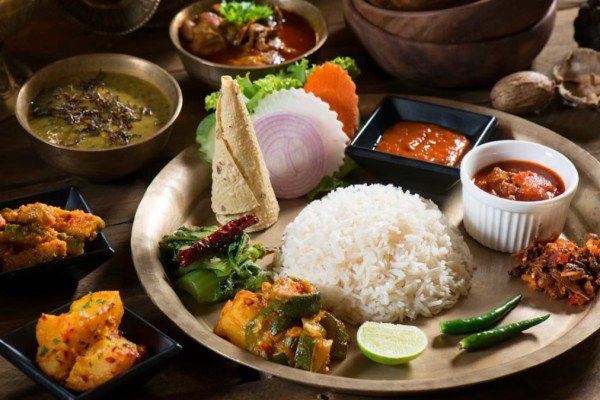
Protein intake doesn’t have to involve expensive foods or totally change our eating habits. Several familiar Indian meals can provide protein, carbohydrates fibre and other nutrients together.
Some practical combinations include:
- Dal and rice with vegetables: Plant based protein along with carbohydrates and fibre.
- Rajma or chole with whole wheat roti: mixes pulses with cereals to provide complementary amino acids.
- Moong dal chilla with curd: It provides plant and dairy protein.
- Paneer or tofu with vegetables: Protein but also opportunities to add more veg.
- Eggs with whole grain toast and fruit: Protein + carbohydrates, fibre + micronutrients. Eggs with whole grain toast and fruit: protein + carbs fibre micronutrients
- Sprouts with curd and seeds: Plant based and dairy protein along with fibre.
- Sattu and roasted chana: Low cost foods that can help increase protein intake through everyday food.
The most practical approach is to have different protein sources through the day and maintain a varied diet.
The Bottom Line
Eating more protein can help muscles stay healthy, tissue repair and several other body functions. But a healthy diet isn’t just about hitting the highest possible protein target.
Don’t put all your protein in one meal, eat low-quality or limited food sources, misread serving sizes, ignore fibre, substitute shakes for meals or don’t prepare food.




Comments 0