
Packaged food is often considered a convenient and reliable choice, but what happens if the information printed on the label cannot be trusted? Expiry and manufacturing date tampering have been allegations of customers being sold products that have no idea after they are already out of their original shelf life.
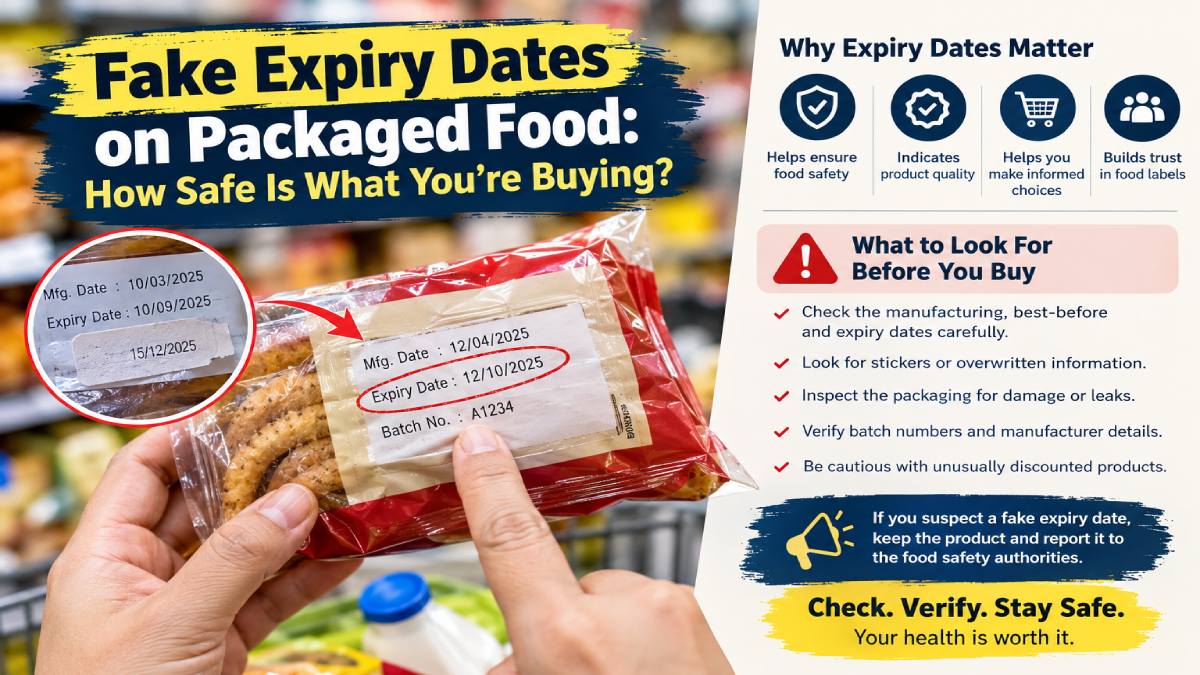
Expiry dates, best-before dates, batch numbers and manufacturing information are more than just little details printed on food packaging. They help consumers make informed decisions about what they buy and consume. Consequently, any suspected manipulation of these details can be a major food-safety and consumer-trust issue.
Why expiry dates matter
Food products change over time. Quality can deteriorate and, in some cases, food safety can be affected by food types, storage conditions and packaging.
Related Articles


The date printed on a package gives consumers important information about the product's shelf life. But consumers should also understand the difference between “expiry date” and “best before.” A best-before date is usually indicative of quality expected for some product in the appropriate storage environment, and an expiry or use-by date may have more safety implications for any product.
The danger of date tampering to consumers.
If a product's expiry or manufacturing date is changed, covered or replaced, consumers may not be able to determine its true age. That can be especially problematic for foods that are sensitive to long storage.
Tampering can also undermine consumer confidence in packaged food. People use labels to compare products, check shelf life and decide whether an item is suitable for their household.
Related Articles


Importantly, an odd sticker or label is not automatically proof of fraud. Packaging practices differ from product to product and the suspected violations should be verified by the food safety authorities.
Signs consumers should look for
- Before buying packaged food, take a few seconds to inspect the label and packaging.
- Check the date carefully: Look for manufacturing, packing, best-before or expiry information. Make sure the printing is clear and consistent.
- Look for stickers or overwritten information: Be careful if a date has been covered, scratched out or replaced. If something looks suspicious, consider a different product.
- Inspect the package: Do not buy products with broken seals, leaks, swelling, unusual damage or compromised packaging.
- Check the batch number: Manufacturer details, batch or lot numbers and other label information can help identify a product if there is a safety complaint or recall.
- Be careful with heavily discounted products: A low price is not a sign of an unsafe product but we should always check shelf life information before purchasing.
What would you do when you suspect a fake expiry date?
If you have concerns about safety or authenticity don’t eat a product. Keep the packaging, label and purchase receipt if available, as these may help authorities investigate a complaint.
Consumers can also report suspected food-labelling or safety violations to the appropriate food-safety authorities. Not just social media allegations alone are all that is required to know if the tampering is deliberate or not.
Consumer awareness is key
Food labelling is crucial to a safe food system. And although authorities and food businesses have the responsibility to ensure that products meet regulatory requirements, consumers can also protect themselves by checking labels before purchasing.
A few seconds spent examining the date, packaging information, and product information could help you make a safer and more informed choice.
Disclaimer: This article is for informational purposes only. Allegations of expiry-date manipulation should not be treated as established facts unless confirmed by the relevant authorities. Food safety concerns should be reported to the appropriate regulatory authorities.


Comments 0