
If you can read clearly, recognize faces and see faraway objects, you can feel that your eyes are healthy. But clear vision isn’t always that everything is operating at normal inside the eyes.
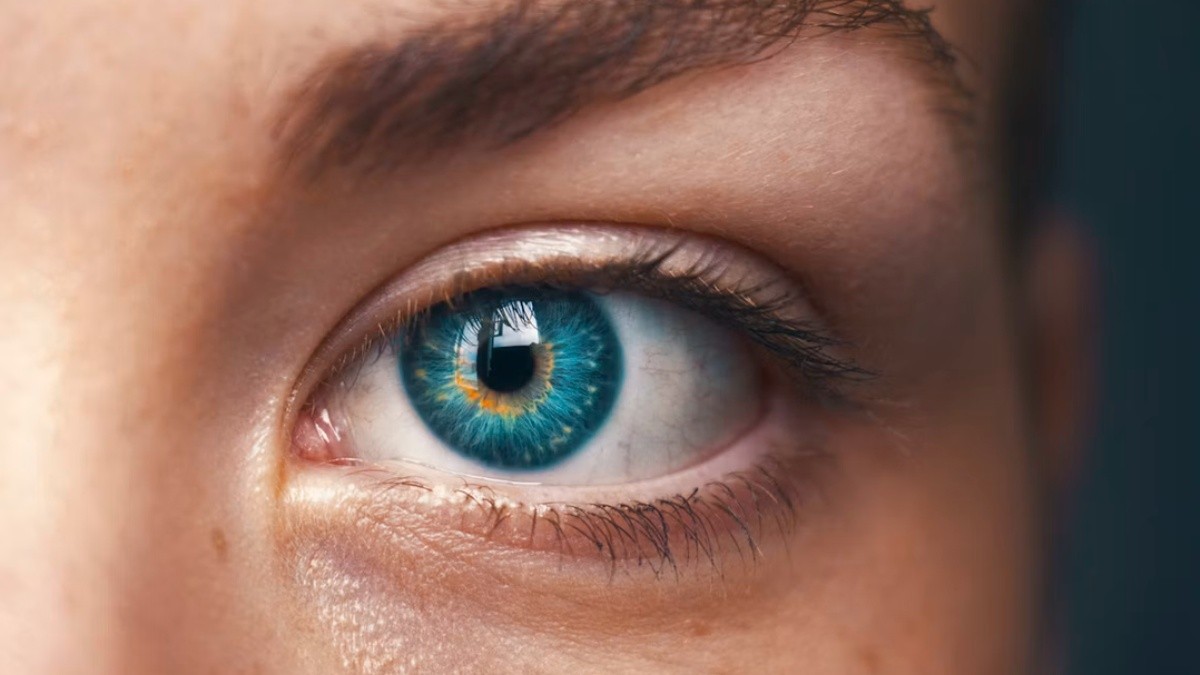
Some eye conditions develop gradually without noticeable symptoms in the early stages. But by the time a person has blurred vision or other changes, the condition may already entail medical attention.
Dr Rishi Bhardwaj (Ophthalmologist) has advised that people shouldn’t simply look at the eyesight alone to judge their eye health. Eye examinations can detect the problem before it’s apparent.
Related Articles
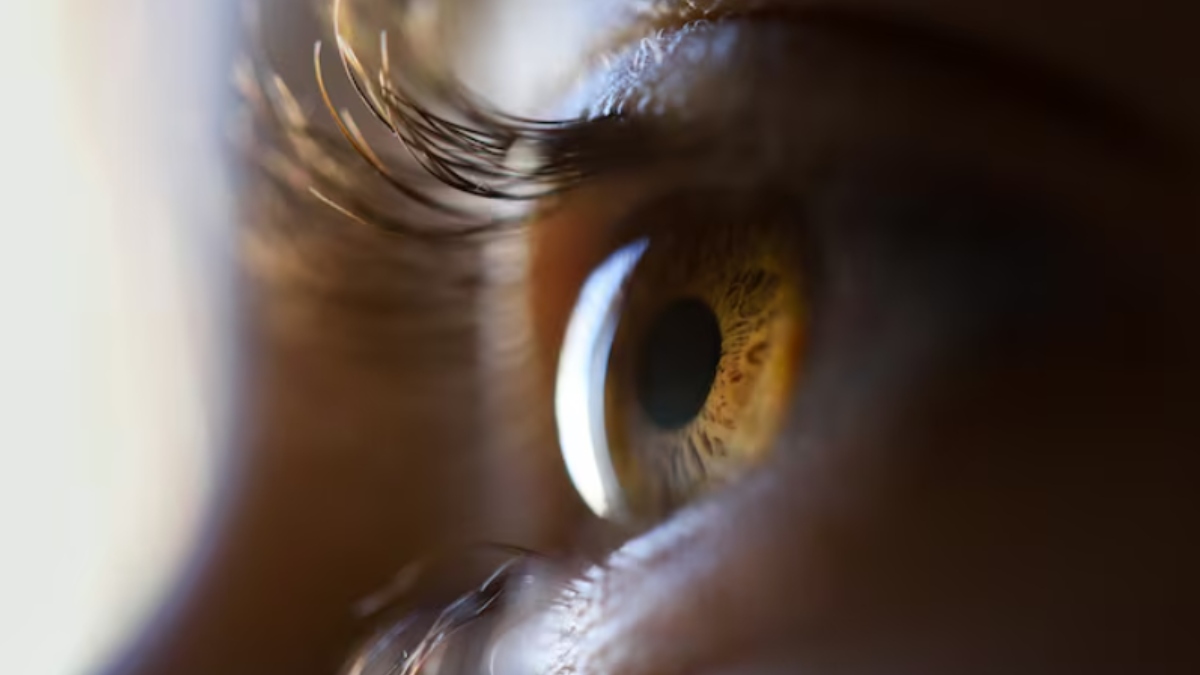

From glaucoma to diabetic retinopathy, five eye diseases that may develop silently and why preventive eye care is so important.
1. Glaucoma: The Eye Disease That Can Damage Vision Silently.
Glaucoma is a group of eye conditions that damage the optic nerve which carries visual information from eye to the brain. Eye pressure increases are a significant risk factor, but glaucoma can also occur if eye pressure is within the normal range.
One of the main concerns is that the most common forms of glaucoma may not cause noticeable symptoms in the early stages. A person can still see clearly but the damage gradually affects their peripheral vision.
Related Articles


As the condition progresses it can lead to permanent vision loss. Vision already lost due to glaucoma generally cannot be restored, which is why early detection and treatment is so key.
The risk factors include increasing age, a family history of glaucoma and certain medical conditions. People with such risk factors should talk to an eye specialist about appropriate screening.
A complete eye examination may include measuring eye pressure, examining the optic nerve and visual field. No single test is sufficient to rule out every form of glaucoma.
2. Diabetic Retinopathy: When Diabetes Impacts the Retina
Diabetic retinopathy is an eye complication of diabetes. It occurs when high blood sugar damages the small blood vessels in the retina, the light-sensitive tissue at the back of the eye.
In its early stages, the condition might not affect vision very much. So a person with diabetes could feel that their eyes are fine, even while changes are developing inside the retina.
And as the disease progresses, damaged blood vessels leak fluid or blood. In more advanced cases, abnormal blood vessels may grow and cause serious complications such as vision loss.
People with diabetes should follow the retinal screening schedule recommended by their health care provider. The timing of examinations depends on the type of diabetes, how long the person has had it, blood sugar control and previous eye findings.
Blood sugar, blood pressure and cholesterol control can help to reduce the risk of complications. Good diabetes control does not eliminate the need for recommended eye examinations, however.
3. Age-related macular degeneration: damage to Central Vision
Age-related macular degeneration (also known as AMD) is associated with the macula, which is the central retina for detailed vision.
The disease is associated with aging and can make reading, recognising faces and seeing fine details more difficult. Some forms progress slowly and early changes may not be obvious to the person affected.
AMD has two main forms: dry and wet AMD. Dry AMD tends to progress more slowly, whereas wet AMD can cause more rapid changes in central vision and needs to be monitored.
Early disease can be detected during a comprehensive eye examination before a person notices significant difficulties. An ophthalmologist may look at the retina and recommend further tests when necessary.
Older adults, especially those with a family history of AMD or other risk factors, should discuss appropriate eye checks with a specialist. We should be on the lookout for new distortion of straight lines, a dark area in central vision or sudden changes in sight very soon.
4. Cataracts: Clouding of the Eye's Natural Lens
A cataract develops when the eye’s natural lens starts to cloud. It is associated with older people and can also occur due to injuries, certain medical conditions, medication use or other factors.
Cataracts can develop slowly. Early changes may be subtle and initially a person can compensate by using brighter lighting or adjusting their glasses.
As the disease progresses, symptoms may be blurred vision, glare from headlights, difficulty seeing at night, faded colours and frequent changes in glasses prescriptions.
Cataracts often present themselves with significant visual changes when they are more advanced, but because they develop slowly they may not be able to recognize how much their vision has changed.
An eye examination can identify cataracts and assess whether they are a threat to everyday life by seeing if they interfere with day-to-day living. The treatment of the condition is based on how severe it is and surgery may be considered when vision problems are significant in the eyesight and directly impact daily life.
5. Retinal Tears and Detachment: Warning Signs That Need Urgent Attention
The retina is a light-sensitive layer at the back of the eye. A retinal tear may allow fluid to pass beneath the retina to leak out of the retina, and may even break through and detach it from the tissue supporting it.
Some retinal problems may initially show very little symptoms, but a retinal tear or detachment can also cause sudden warning signs. These include flashes of light, a sudden increase in floaters or a dark curtain or shadow moving across the field of vision.
These symptoms should not be ignored or treated as ordinary ageing. A retinal detachment can cause permanent vision loss if it is not treated promptly.
If you are in need of urgent eye care if you see these warning signs, even if your central vision is still relatively clear. Sudden vision loss should be treated immediately.
Why do eye diseases develop without affecting the vision at first?
The eyes have a variety of structures that play different roles. A basic vision check mainly measures how clearly a person can see, but not all parts of the eye are seen.
Some diseases affect areas that may not immediately interfere with central vision. For example, glaucoma can cause peripheral vision to atrophy and diabetic retinopathy can cause changes in retinal blood vessels before a person notices symptoms.
The brain also adapts to gradual changes and so it can be harder to realise that vision has deteriorated.
This is why an eye examination is much more than reading letters from a chart. Based on a person’s age, symptoms and risk factors, an eye specialist could assess eye pressure, look at the optic nerve and retina and suggest additional tests.
The fact that a normal result on a simple eyesight test does not rule out every eye disease.
How often should you get your eyes checked?
There is no single examination schedule that is suitable for everyone. The frequency of eye checks depends on age, medical history, family history, existing eye conditions and previous examination results.
People with diabetes, glaucoma risk factors or a known retinal condition may need more frequent assessments. Older adults may also require regular examinations even when they have no obvious symptoms.
Children, adults who use glasses or contact lenses, and people having changes in their vision should take advice according to their circumstances.
Ask an optometrist or ophthalmologist how often you should have a comprehensive eye examination. If you have an existing eye condition then follow the review schedule recommended by your treating specialist.
Everyday habits that support eye health.
Healthy habits can support general eye health, although they cannot prevent every eye disease. How do chronic conditions be managed to maintain diabetes and blood pressure control with proper medical treatment?
- Staying away from smoking: Smoking increases the risk of several eye diseases like age-related macular degeneration.
- Eat a balanced diet: Include a variety of vegetables, fruits and other nutrient-rich foods as part of a balanced eating pattern.
- Protect your eyes: Use appropriate protective eyewear during activities that carry a risk of eye injury.
- As per medical advice: Follow doctor’s recommendations: Take prescribed eye drops as directed and attend recommended follow-up appointments.
- Do not ignore sudden symptoms: Flashes, a sudden increase in floaters, a curtain-like shadow, or sudden loss of vision need to be evaluated.
Resting your eyes during screen use may help alleviate discomfort, but it does not replace an examination for eye disease.


Comments 0